Al-Jwaid Areej K, Berillo Dmitriy, Savina Irina N, Cundy Andrew B, Caplin Jonathan L
School of Environment and Technology, University of Brighton Brighton UK.
Engineering Technical College/Basrah, Southern Technical University Basrah Iraq.
RSC Adv. 2018 Sep 3;8(54):30813-30824. doi: 10.1039/c8ra04219e. eCollection 2018 Aug 30.
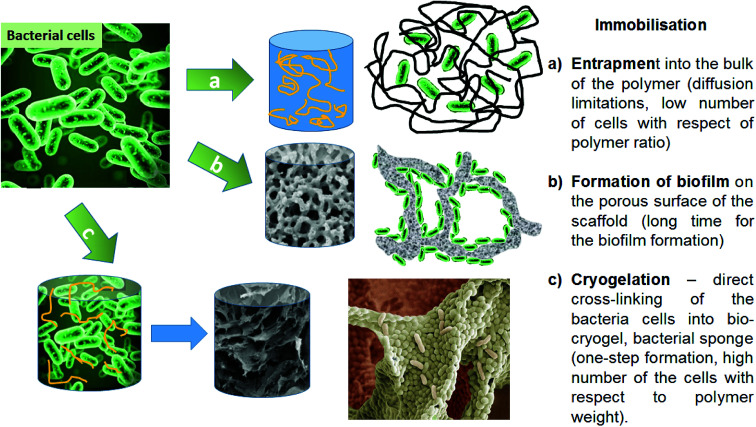
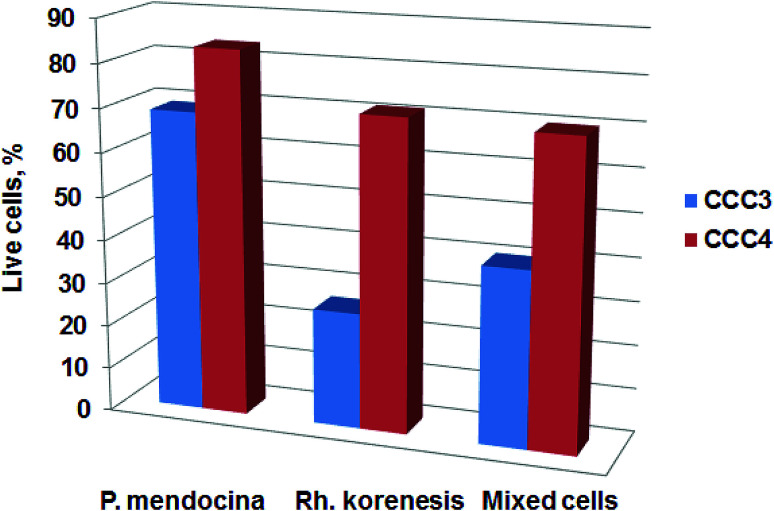
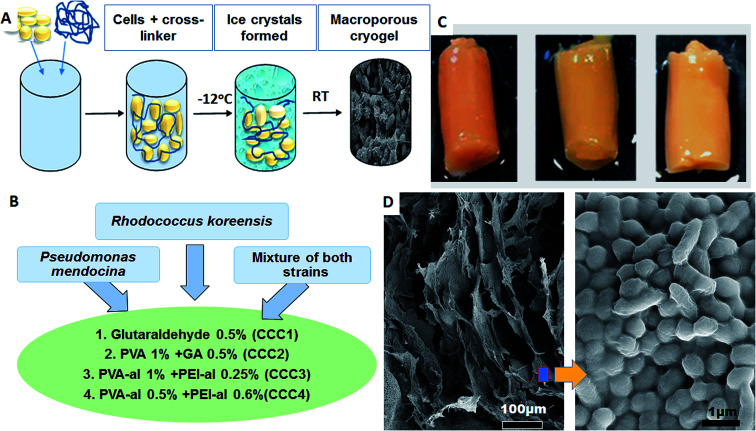
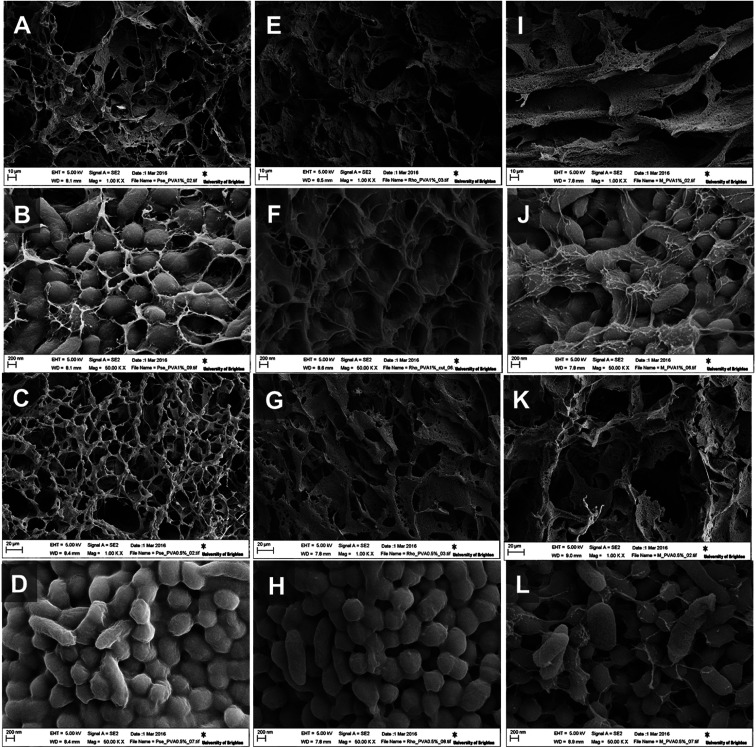
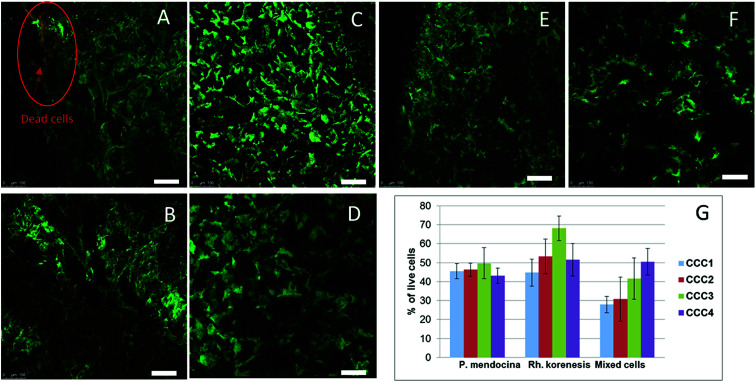
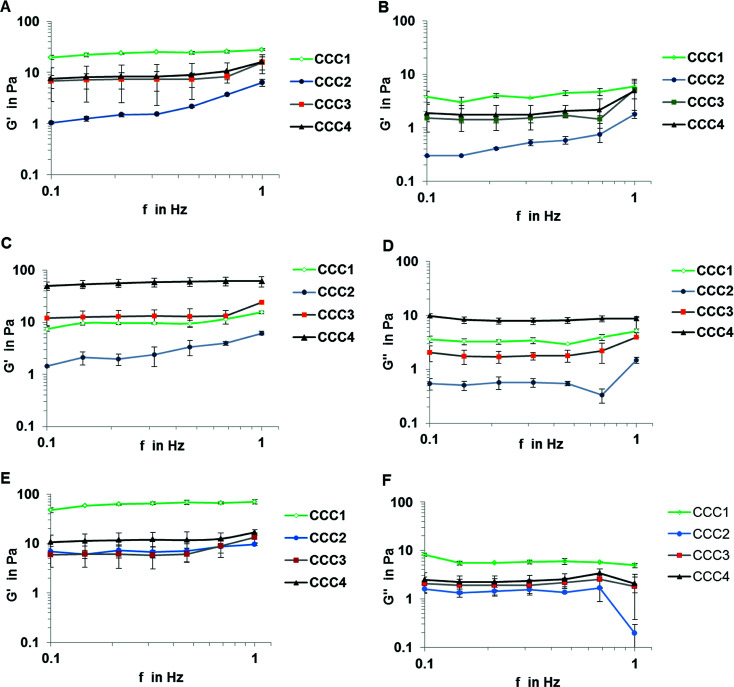
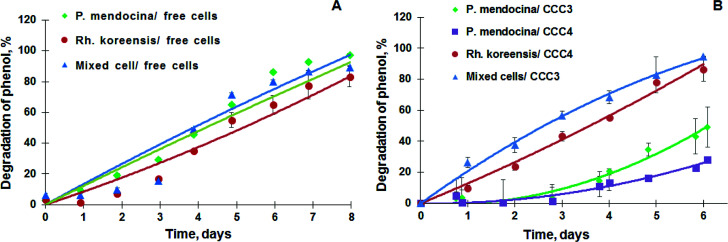
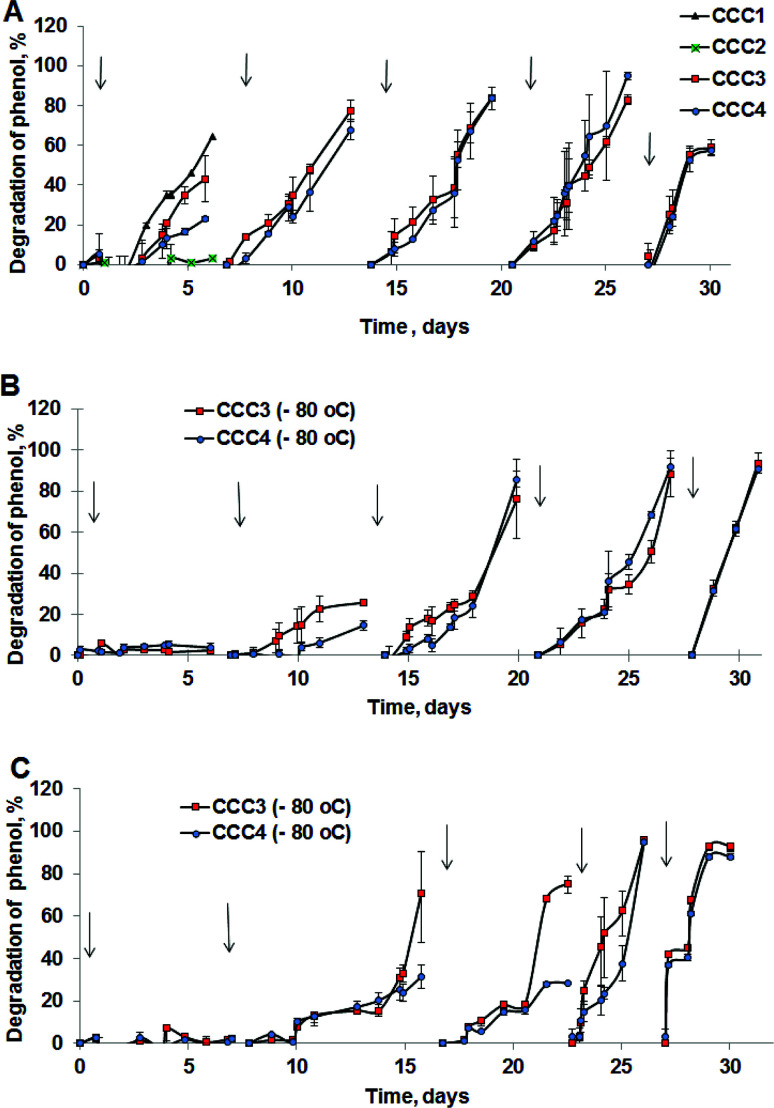
Immobilisation of bacteria on or into a polymer support is a common method for the utilisation of bacteria as biocatalysts for many biotechnological, medical and environmental applications. The main challenge in this approach is the time taken for the formation of stable biofilms, and the typically low percentage of bacterial cells present on or in the polymer matrix. In this work we propose a novel method for producing a porous bacteria based structure with the properties of a sponge (bacterial sponge) that we then use as a bioreactor for water treatment. Cryogelation has been used as a tool to create macroporous ( with pores in the range 10-100 μm), highly permeable systems with low diffusion constraints and high bacterial content (more than 98% to total material content). A novel crosslinking system was used to form stable bacterial sponges with a high percentage of live bacteria organized in a 3D porous structure. The bacterial sponge was produced in a one step process and can be made from one or several bacterial strains (in this case, two bacterial strains and (and a mixture of both) were used). Reduction of the total polymer content to 2% makes the system more sustainable and environmentally friendly under disposal as it can be simply composted. The bacterial sponges have good mechanical stability and cell viability, which enables repeated use of the materials for phenol degradation for up to five weeks. The material can be stored and transported in cryogenic conditions (-80 °C) for prolonged periods of time, retaining its bioremediation activity following 4-6 weeks of frozen storage. The proposed method of producing bioreactors with a high number of live immobilised bacteria, low polymer content and controlled 3D structure is a promising tool for developing novel materials based on active bacterial cells for various environmental, biotechnological, biological and medical applications.
将细菌固定在聚合物载体上或包埋于其中,是在许多生物技术、医学和环境应用中利用细菌作为生物催化剂的常用方法。这种方法的主要挑战在于形成稳定生物膜所需的时间,以及聚合物基质上或其中存在的细菌细胞比例通常较低。在这项工作中,我们提出了一种新颖的方法来制备具有海绵特性的多孔细菌基结构(细菌海绵),然后将其用作水处理生物反应器。冷冻凝胶化已被用作一种工具,以创建大孔(孔径范围为10 - 100μm)、高渗透性的系统,其扩散限制低且细菌含量高(占总材料含量的98%以上)。使用一种新型交联系统来形成稳定的细菌海绵,其中高比例的活细菌以三维多孔结构组织。细菌海绵通过一步法制备,可由一种或几种细菌菌株制成(在本案例中,使用了两种细菌菌株 和 以及两者的混合物)。将总聚合物含量降低至2%,使得该系统在处置时更具可持续性且环境友好,因为它可以简单地进行堆肥处理。细菌海绵具有良好的机械稳定性和细胞活力,这使得该材料能够重复用于苯酚降解长达五周。该材料可以在低温条件(-80°C)下长时间储存和运输,在冷冻储存4 - 6周后仍保留其生物修复活性。所提出的生产具有大量活固定化细菌、低聚合物含量和可控三维结构的生物反应器的方法,是开发基于活性细菌细胞的新型材料以用于各种环境、生物技术、生物和医学应用的一种有前景的工具。