National Institute of Parasitic Diseases, Chinese Center for Disease Control and Prevention, Shanghai, People's Republic of China.
Parasit Vectors. 2011 May 9;4:69. doi: 10.1186/1756-3305-4-69.
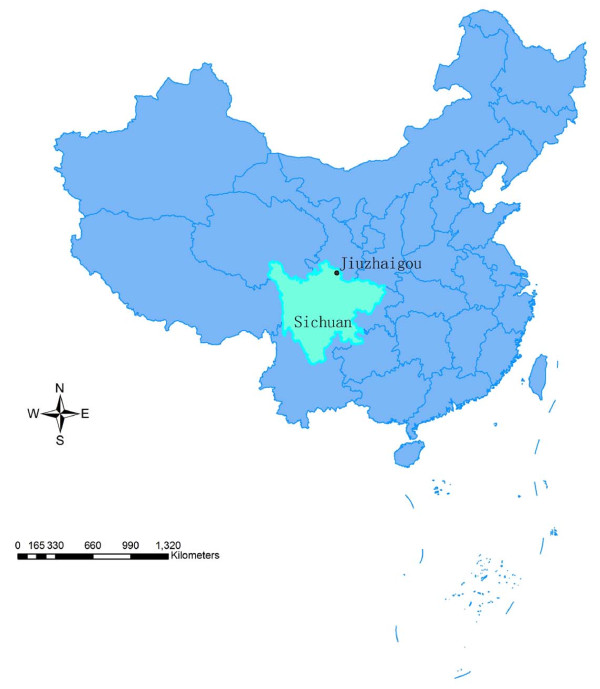
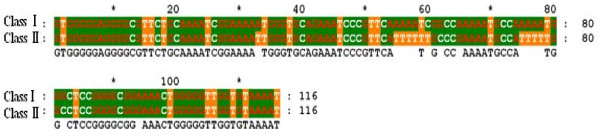
Canine leishmaniasis (CanL) is endemic in western China, resulting in important public health problem. It is essential to evaluate the prevalence of canine Leishmania infantum infection for designing control policy. In the present study we report for the first time prevalence of Leishmania infection in dogs living in Jiuzhaigou County (Sichuan Provence, China), which is not only an important endemic area of CanL but also a tourism scenic spot, detected by PCR, ELISA and dipstick test. The results could provide key information for designing control programs against canine and human leishmaniasis. In addition, the complete sequence of the Leishmania isolate from Sichuan Province has not been reported to date and we present the sequences of 116 base-pair (bp) fragment of the conserved region in the minicircle kinetoplast DNA (kDNA) and the results of phylogenetic analyses based on the sequence of the amplified fragment.
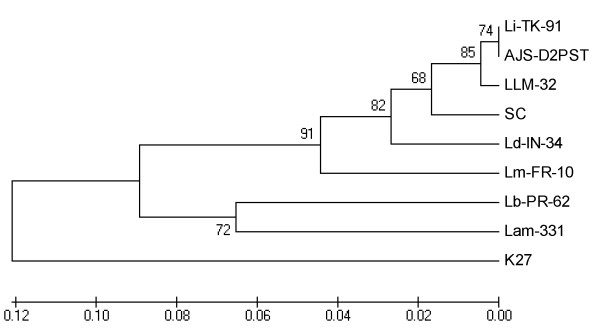
The proportion of dogs infected with Leishmania in Jiuzhaigou County was 36.79%, 9.43%, and 51.88% detected by ELISA, dipstick test, and PCR, respectively. The ELISA and PCR tests were more sensitive than dipstick test. The PCR method is the most sensitive way to detect dogs infected with Leishmania parasites. The total positive rate for infected dogs in the area was 59.43% by the three methods. The PCR products of 116-bp fragment amplified from the kDNA conserved region of dog blood samples and laboratory maintained L. infantum were DNA sequenced and the variation of the sequences was observed. The phylogenetic tree based on the sequences of 116-bp fragment reveals that L. infantum is more genetically related to visceralizing species L. donovani than to the Leishmania species associated with cutaneous disease.
More than half of dogs living in the endemic Jiuzhaigou County were infected by L. infantum. Control measures, such as treatment or eradication of infected dogs, or prohibition of maintaining dogs, must be taken against these infected dogs due to their role in the transmission of the infection to vectors. The phylogenetic tree based on the sequences of conserved region in kDNA of Leishmania can effectively distinguish species of Leishmania.
犬利什曼病(CanL)在中国西部流行,给公共卫生带来重要问题。评估犬利什曼原虫感染的流行率对制定控制政策非常重要。本研究首次报告了生活在九寨沟县(中国四川省)的犬利什曼原虫感染率,这里不仅是犬利什曼病的重要流行区,也是一个旅游景点。采用 PCR、ELISA 和检测棒试验进行检测。这些结果可以为制定针对犬和人类利什曼病的控制计划提供关键信息。此外,目前尚未报道来自四川省的利什曼原虫分离株的完整序列,我们展示了小环 kDNA(kDNA)保守区 116 个碱基对(bp)片段的序列和基于扩增片段的系统发育分析结果。
通过 ELISA、检测棒试验和 PCR 检测,九寨沟县犬感染利什曼原虫的比例分别为 36.79%、9.43%和 51.88%。ELISA 和 PCR 检测比检测棒试验更敏感。PCR 方法是检测犬利什曼原虫感染最敏感的方法。三种方法检测的受感染犬总阳性率为 59.43%。从犬血液样本的 kDNA 保守区扩增出的 116-bp 片段的 PCR 产物进行 DNA 测序,并观察序列的变化。基于 116-bp 片段序列的系统发育树表明,内脏利什曼原虫与皮肤利什曼原虫相关种相比,与内脏化种利什曼原虫的遗传关系更密切。
生活在流行的九寨沟县的一半以上的犬感染了利什曼原虫。由于这些受感染的犬在传播感染给媒介方面的作用,必须对这些感染的犬采取控制措施,如治疗或根除感染犬,或禁止饲养犬。基于小环 kDNA 保守区序列的系统发育树可有效区分利什曼原虫种。