Department of Molecular, Cellular and Developmental Neurobiology, Instituto Cajal, CSIC, Avenida Doctor Arce 37, 28002 Madrid, Spain.
Neural Plast. 2010;2010:769207. doi: 10.1155/2010/769207. Epub 2011 Mar 13.
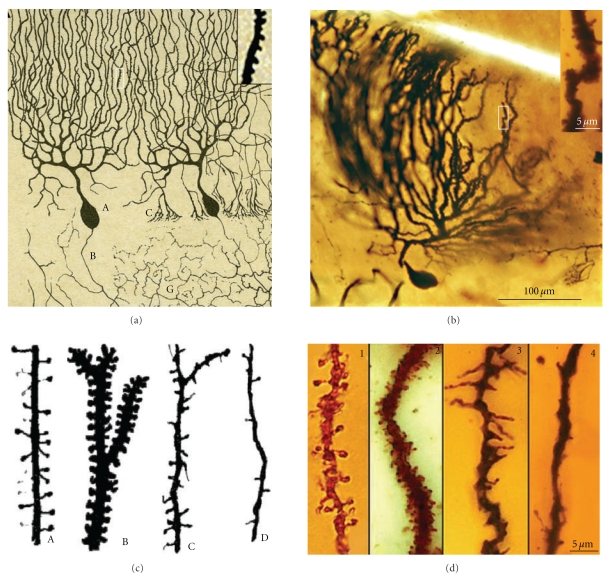
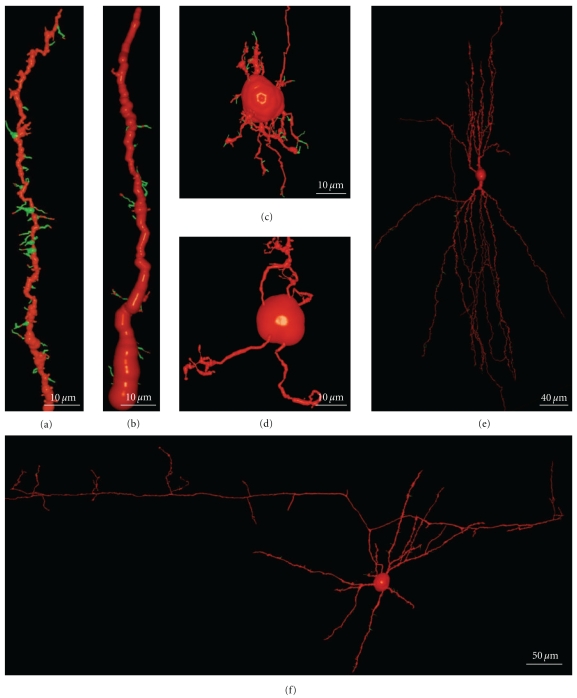
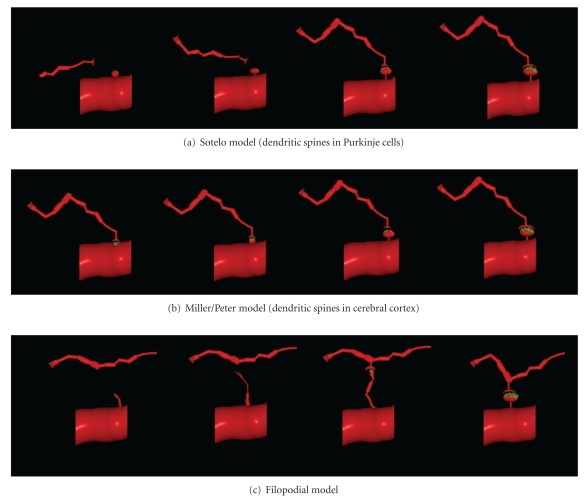
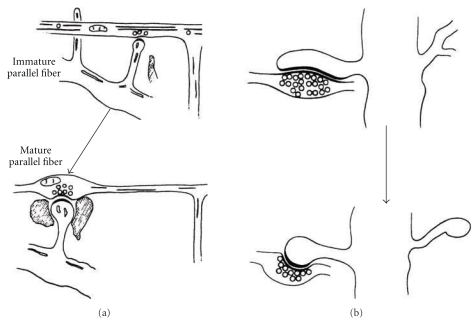
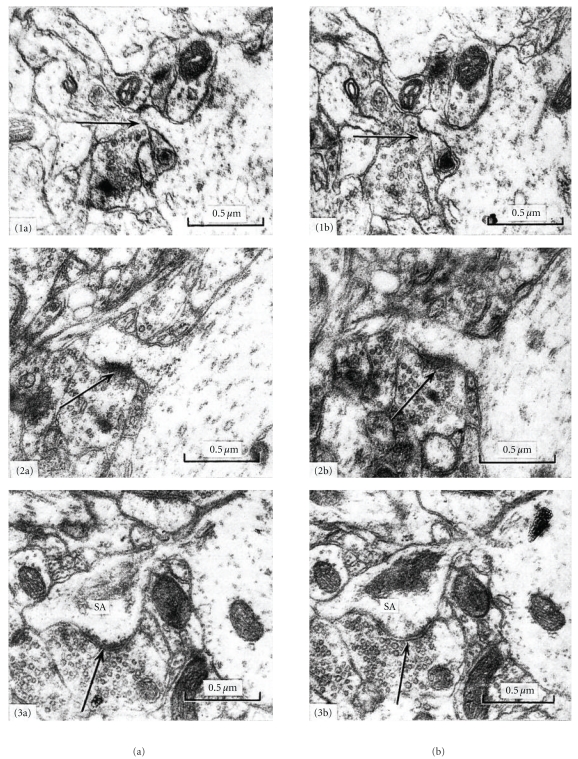
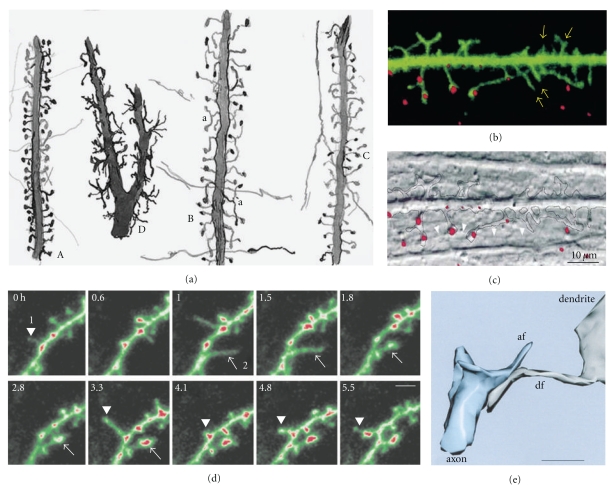
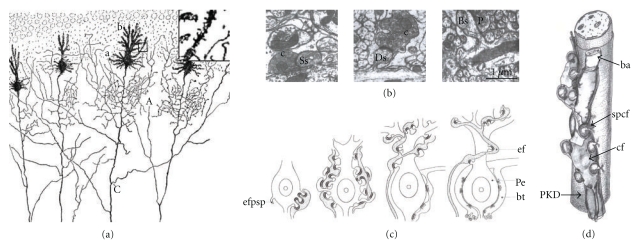
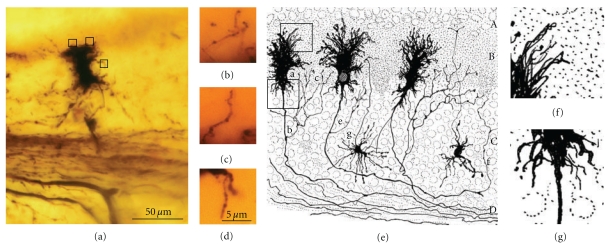
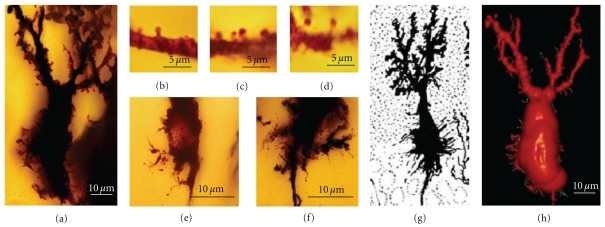
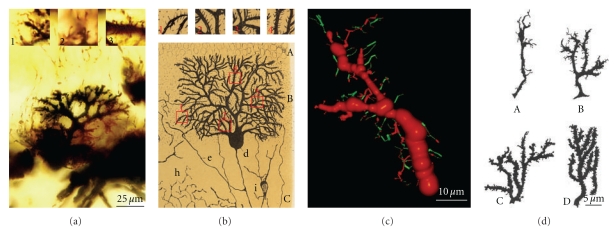
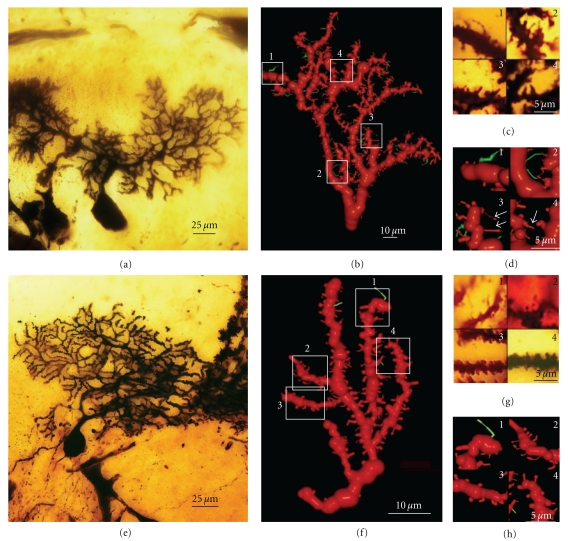
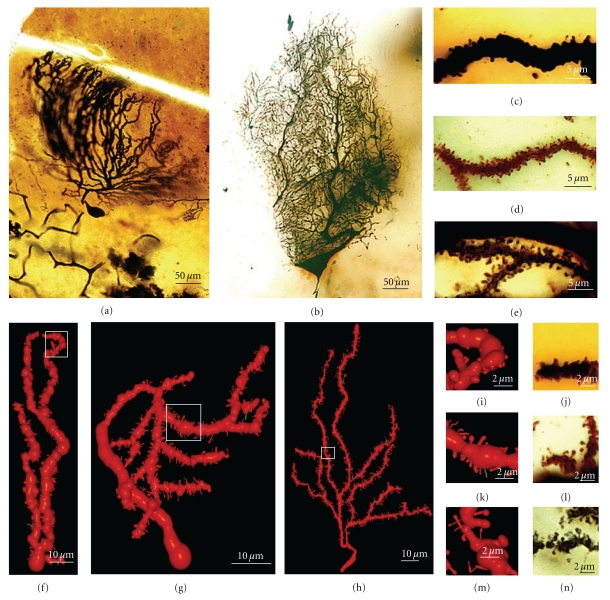
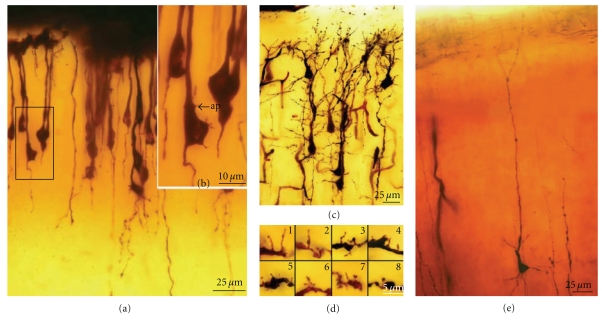
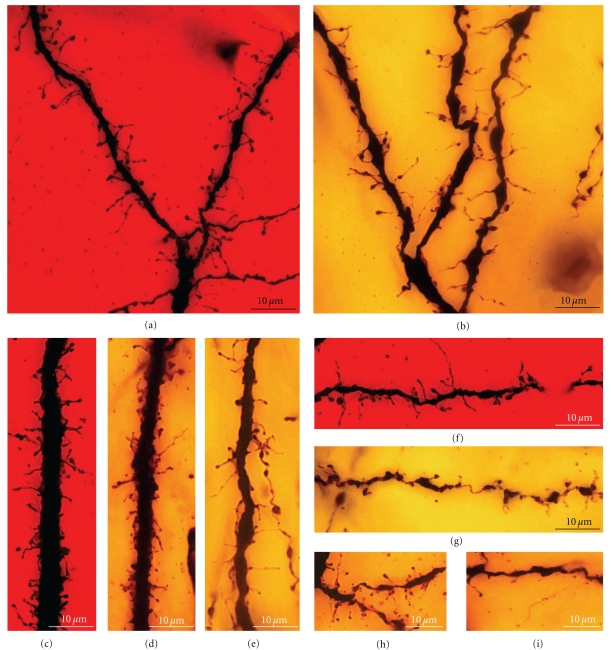
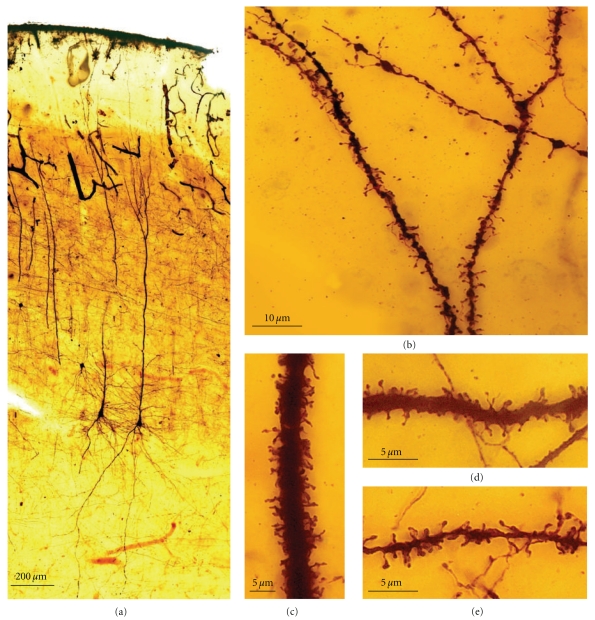
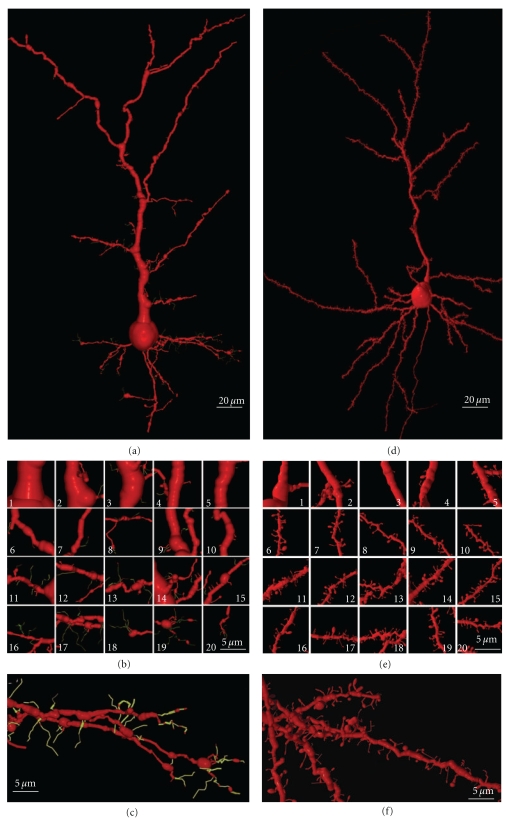
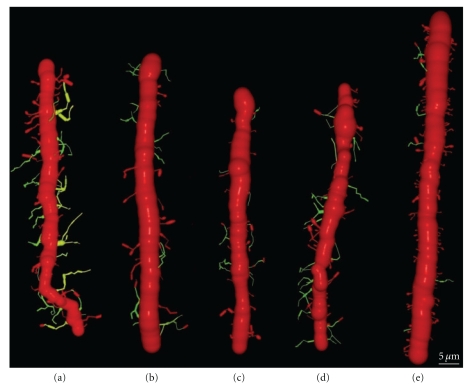
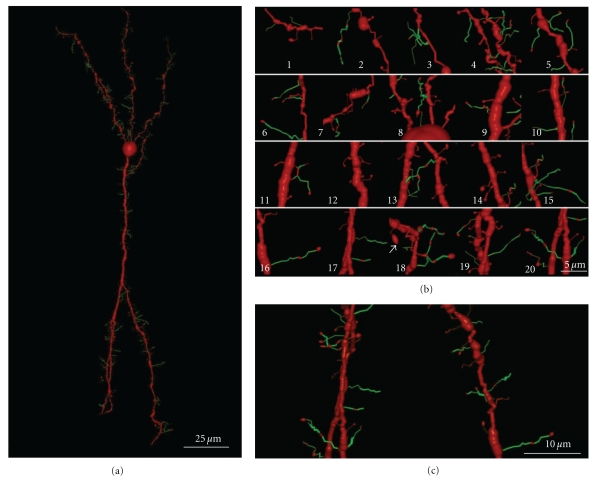
Dendritic spines receive the majority of excitatory connections in the central nervous system, and, thus, they are key structures in the regulation of neural activity. Hence, the cellular and molecular mechanisms underlying their generation and plasticity, both during development and in adulthood, are a matter of fundamental and practical interest. Indeed, a better understanding of these mechanisms should provide clues to the development of novel clinical therapies. Here, we present original results obtained from high-quality images of Cajal's histological preparations, stored at the Cajal Museum (Instituto Cajal, CSIC), obtained using extended focus imaging, three-dimensional reconstruction, and rendering. Based on the data available in the literature regarding the formation of dendritic spines during development and our results, we propose a unifying model for dendritic spine development.
树突棘在中枢神经系统中接收大部分兴奋性连接,因此,它们是调节神经活动的关键结构。因此,它们的产生和可塑性的细胞和分子机制,无论是在发育过程中还是在成年期,都是一个具有基础和实际意义的问题。事实上,对这些机制的更好理解应该为开发新的临床治疗方法提供线索。在这里,我们展示了从 Cajal 博物馆(Instituto Cajal,CSIC)保存的 Cajal 组织学标本的高质量图像中获得的原始结果,这些图像是使用扩展焦点成像、三维重建和渲染获得的。基于文献中关于发育过程中树突棘形成的可用数据和我们的结果,我们提出了一个用于树突棘发育的统一模型。