• 文献检索
  • 文档翻译
  • 深度研究
  • 学术资讯
  • Suppr Zotero 插件Zotero 插件
  • 邀请有礼
  • 套餐&价格
  • 历史记录
应用&插件
Suppr Zotero 插件Zotero 插件浏览器插件Mac 客户端Windows 客户端微信小程序
定价
高级版会员购买积分包购买API积分包
服务
文献检索文档翻译深度研究API 文档MCP 服务
关于我们
关于 Suppr公司介绍联系我们用户协议隐私条款
关注我们

Suppr 超能文献

核心技术专利:CN118964589B侵权必究
粤ICP备2023148730 号-1Suppr @ 2026

文献检索

告别复杂PubMed语法,用中文像聊天一样搜索,搜遍4000万医学文献。AI智能推荐,让科研检索更轻松。

立即免费搜索

文件翻译

保留排版,准确专业,支持PDF/Word/PPT等文件格式,支持 12+语言互译。

免费翻译文档

深度研究

AI帮你快速写综述,25分钟生成高质量综述,智能提取关键信息,辅助科研写作。

立即免费体验

宠物爬行动物体内的寄生虫。

Parasites in pet reptiles.

机构信息

Institute for Microbiology and Parasitology, Veterinary Faculty, University of Ljubljana, Gerbičeva 60, 1000 Ljubljana, Slovenia.

出版信息

Acta Vet Scand. 2011 May 30;53(1):33. doi: 10.1186/1751-0147-53-33.

DOI:10.1186/1751-0147-53-33
PMID:21624124
原文链接:https://pmc.ncbi.nlm.nih.gov/articles/PMC3118381/
Abstract

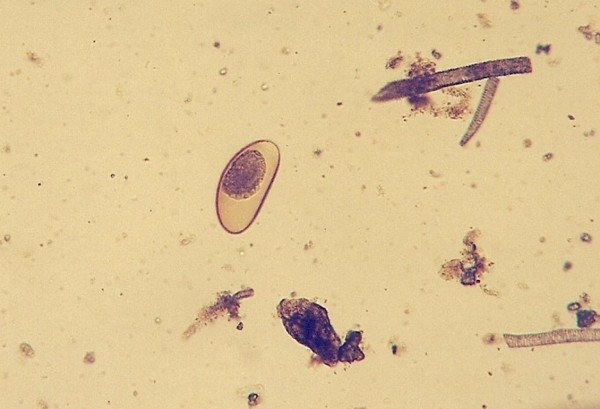
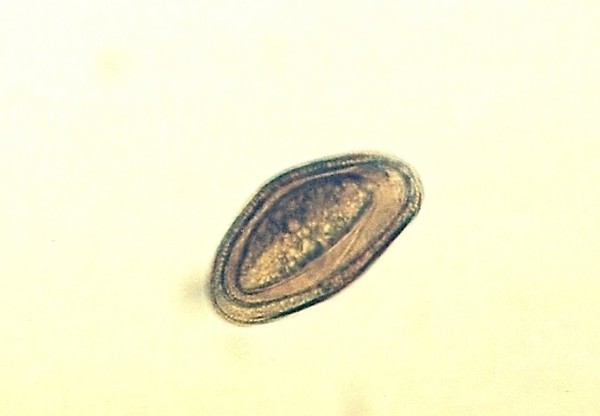
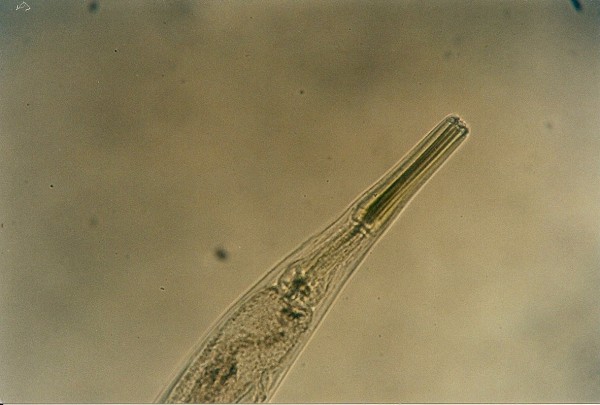
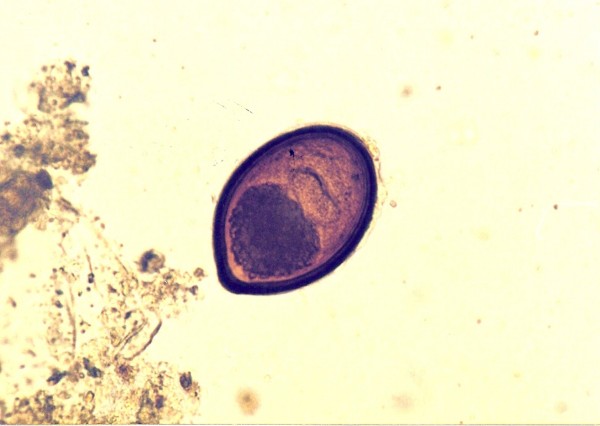
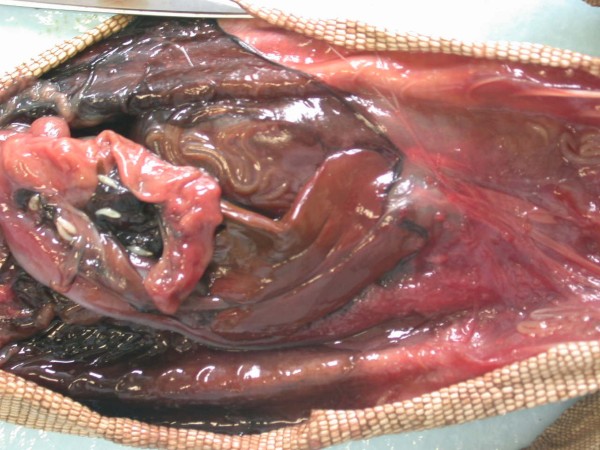
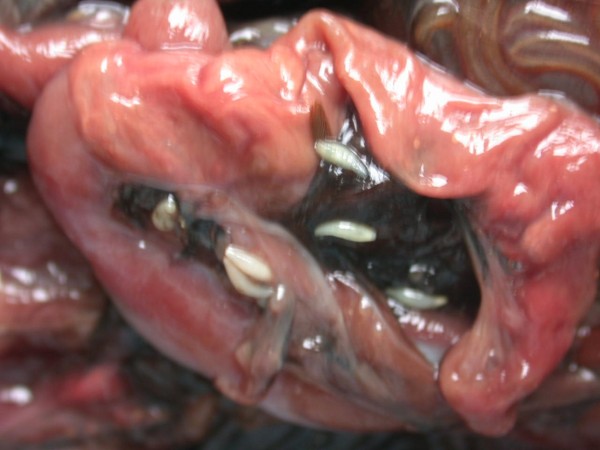
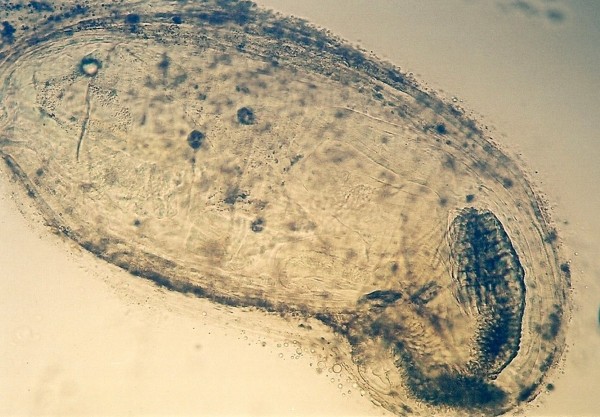
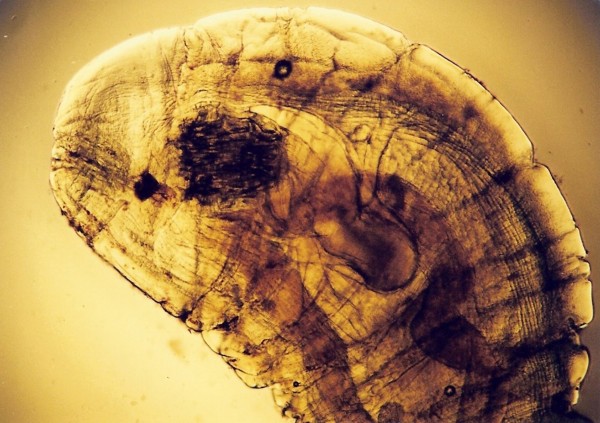
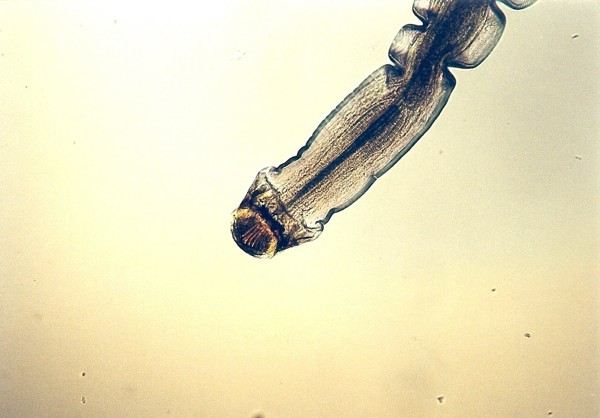
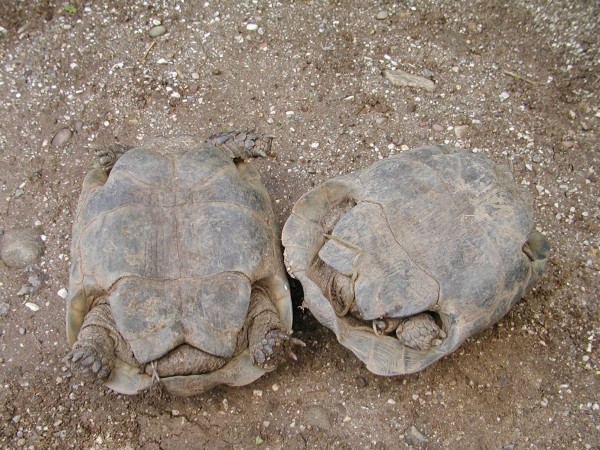
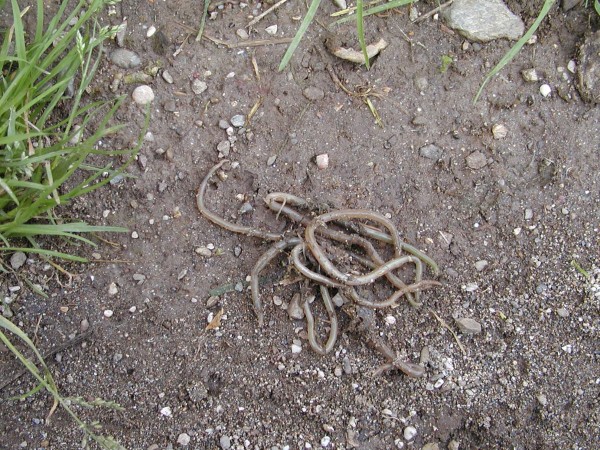
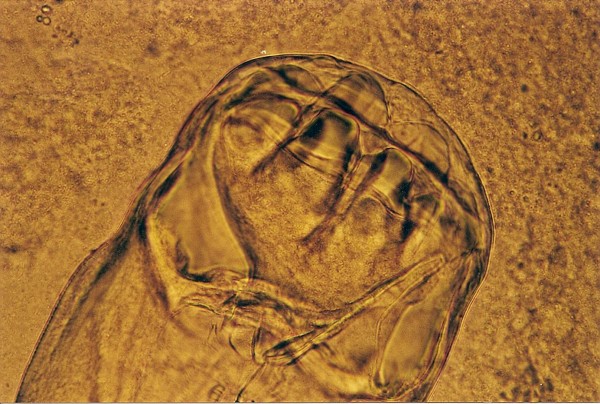
Exotic reptiles originating from the wild can be carriers of many different pathogens and some of them can infect humans. Reptiles imported into Slovenia from 2000 to 2005, specimens of native species taken from the wild and captive bred species were investigated. A total of 949 reptiles (55 snakes, 331 lizards and 563 turtles), belonging to 68 different species, were examined for the presence of endoparasites and ectoparasites. Twelve different groups (Nematoda (5), Trematoda (1), Acanthocephala (1), Pentastomida (1) and Protozoa (4)) of endoparasites were determined in 26 (47.3%) of 55 examined snakes. In snakes two different species of ectoparasites were also found. Among the tested lizards eighteen different groups (Nematoda (8), Cestoda (1), Trematoda (1), Acanthocephala (1), Pentastomida (1) and Protozoa (6)) of endoparasites in 252 (76.1%) of 331 examined animals were found. One Trombiculid ectoparasite was determined. In 563 of examined turtles eight different groups (Nematoda (4), Cestoda (1), Trematoda (1) and Protozoa (2)) of endoparasites were determined in 498 (88.5%) animals. In examined turtles three different species of ectoparasites were seen. The established prevalence of various parasites in reptiles used as pet animals indicates the need for examination on specific pathogens prior to introduction to owners.

摘要

从野外捕获的外来爬行动物可能携带许多不同的病原体,其中一些可能感染人类。本研究调查了 2000 年至 2005 年从国外进口到斯洛文尼亚的、从野外捕获的以及人工养殖的本地物种的爬行动物标本。总共检查了 949 只爬行动物(55 条蛇、331 条蜥蜴和 563 只海龟),属于 68 个不同的物种,以确定是否存在内寄生虫和外寄生虫。在 55 条检查的蛇中,有 26 条(47.3%)发现了 12 个不同组别的内寄生虫(线虫(5)、吸虫(1)、棘头虫(1)、Pentastomida(1)和原生动物(4))。在外寄生虫中,在测试的蜥蜴中也发现了两种不同的物种。在 331 只检查的蜥蜴中,18 个不同组别的内寄生虫(线虫(8)、绦虫(1)、吸虫(1)、棘头虫(1)、Pentastomida(1)和原生动物(6))在 252 只(76.1%)中被发现。在外寄生虫中,发现了一种 Trombiculid 寄生虫。在 563 只检查的海龟中,498 只(88.5%)动物发现了 8 个不同组别的内寄生虫(线虫(4)、绦虫(1)、吸虫(1)和原生动物(2))。在检查的海龟中,发现了三种不同的外寄生虫。作为宠物饲养的爬行动物中各种寄生虫的既定流行率表明,在引入主人之前,需要对特定的病原体进行检查。
https://cdn.ncbi.nlm.nih.gov/pmc/blobs/b60c/3118381/db50e51e0ebd/1751-0147-53-33-49.jpg
https://cdn.ncbi.nlm.nih.gov/pmc/blobs/b60c/3118381/e2bf7b186e67/1751-0147-53-33-1.jpg
https://cdn.ncbi.nlm.nih.gov/pmc/blobs/b60c/3118381/7cb406b26ac9/1751-0147-53-33-2.jpg
https://cdn.ncbi.nlm.nih.gov/pmc/blobs/b60c/3118381/3f47fd837b6a/1751-0147-53-33-3.jpg
https://cdn.ncbi.nlm.nih.gov/pmc/blobs/b60c/3118381/e515562cb5ca/1751-0147-53-33-4.jpg
https://cdn.ncbi.nlm.nih.gov/pmc/blobs/b60c/3118381/3bae8462c00f/1751-0147-53-33-5.jpg
https://cdn.ncbi.nlm.nih.gov/pmc/blobs/b60c/3118381/158950e37e82/1751-0147-53-33-6.jpg
https://cdn.ncbi.nlm.nih.gov/pmc/blobs/b60c/3118381/c933355fa213/1751-0147-53-33-7.jpg
https://cdn.ncbi.nlm.nih.gov/pmc/blobs/b60c/3118381/740edc28b072/1751-0147-53-33-8.jpg
https://cdn.ncbi.nlm.nih.gov/pmc/blobs/b60c/3118381/ef0e4eae725a/1751-0147-53-33-9.jpg
https://cdn.ncbi.nlm.nih.gov/pmc/blobs/b60c/3118381/7ccb84264b71/1751-0147-53-33-10.jpg
https://cdn.ncbi.nlm.nih.gov/pmc/blobs/b60c/3118381/a1fc2a3cea57/1751-0147-53-33-11.jpg
https://cdn.ncbi.nlm.nih.gov/pmc/blobs/b60c/3118381/231634aec632/1751-0147-53-33-12.jpg
https://cdn.ncbi.nlm.nih.gov/pmc/blobs/b60c/3118381/6ea36b6e37b0/1751-0147-53-33-13.jpg
https://cdn.ncbi.nlm.nih.gov/pmc/blobs/b60c/3118381/3bd899cb47fb/1751-0147-53-33-14.jpg
https://cdn.ncbi.nlm.nih.gov/pmc/blobs/b60c/3118381/9d078c3731d6/1751-0147-53-33-15.jpg
https://cdn.ncbi.nlm.nih.gov/pmc/blobs/b60c/3118381/defd386e6aa3/1751-0147-53-33-16.jpg
https://cdn.ncbi.nlm.nih.gov/pmc/blobs/b60c/3118381/ac02fb1992ad/1751-0147-53-33-17.jpg
https://cdn.ncbi.nlm.nih.gov/pmc/blobs/b60c/3118381/e2539a61d278/1751-0147-53-33-18.jpg
https://cdn.ncbi.nlm.nih.gov/pmc/blobs/b60c/3118381/25ddbef65429/1751-0147-53-33-19.jpg
https://cdn.ncbi.nlm.nih.gov/pmc/blobs/b60c/3118381/ffb8eed82d40/1751-0147-53-33-20.jpg
https://cdn.ncbi.nlm.nih.gov/pmc/blobs/b60c/3118381/9ee5c6c6f45a/1751-0147-53-33-21.jpg
https://cdn.ncbi.nlm.nih.gov/pmc/blobs/b60c/3118381/bbe56b2180da/1751-0147-53-33-22.jpg
https://cdn.ncbi.nlm.nih.gov/pmc/blobs/b60c/3118381/b045436dc3ea/1751-0147-53-33-23.jpg
https://cdn.ncbi.nlm.nih.gov/pmc/blobs/b60c/3118381/3c8cad0a6963/1751-0147-53-33-24.jpg
https://cdn.ncbi.nlm.nih.gov/pmc/blobs/b60c/3118381/ff1f95b2ee29/1751-0147-53-33-25.jpg
https://cdn.ncbi.nlm.nih.gov/pmc/blobs/b60c/3118381/c67f70ac77ae/1751-0147-53-33-26.jpg
https://cdn.ncbi.nlm.nih.gov/pmc/blobs/b60c/3118381/4dff6a370c04/1751-0147-53-33-27.jpg
https://cdn.ncbi.nlm.nih.gov/pmc/blobs/b60c/3118381/81afa4bbfbd0/1751-0147-53-33-28.jpg
https://cdn.ncbi.nlm.nih.gov/pmc/blobs/b60c/3118381/e3b543b7f6a5/1751-0147-53-33-29.jpg
https://cdn.ncbi.nlm.nih.gov/pmc/blobs/b60c/3118381/622f80bf282c/1751-0147-53-33-30.jpg
https://cdn.ncbi.nlm.nih.gov/pmc/blobs/b60c/3118381/0449e964a519/1751-0147-53-33-31.jpg
https://cdn.ncbi.nlm.nih.gov/pmc/blobs/b60c/3118381/18a7ab28ee77/1751-0147-53-33-32.jpg
https://cdn.ncbi.nlm.nih.gov/pmc/blobs/b60c/3118381/90d99ca707c4/1751-0147-53-33-33.jpg
https://cdn.ncbi.nlm.nih.gov/pmc/blobs/b60c/3118381/7f95cf61b732/1751-0147-53-33-34.jpg
https://cdn.ncbi.nlm.nih.gov/pmc/blobs/b60c/3118381/794018d64e9e/1751-0147-53-33-35.jpg
https://cdn.ncbi.nlm.nih.gov/pmc/blobs/b60c/3118381/78d3eb9df541/1751-0147-53-33-36.jpg
https://cdn.ncbi.nlm.nih.gov/pmc/blobs/b60c/3118381/69cddbb9312d/1751-0147-53-33-37.jpg
https://cdn.ncbi.nlm.nih.gov/pmc/blobs/b60c/3118381/f2ddfce9513b/1751-0147-53-33-38.jpg
https://cdn.ncbi.nlm.nih.gov/pmc/blobs/b60c/3118381/7c3f3503f277/1751-0147-53-33-39.jpg
https://cdn.ncbi.nlm.nih.gov/pmc/blobs/b60c/3118381/c0ade4d68e71/1751-0147-53-33-40.jpg
https://cdn.ncbi.nlm.nih.gov/pmc/blobs/b60c/3118381/59e86dcb7169/1751-0147-53-33-41.jpg
https://cdn.ncbi.nlm.nih.gov/pmc/blobs/b60c/3118381/8ce8b2b3429c/1751-0147-53-33-42.jpg
https://cdn.ncbi.nlm.nih.gov/pmc/blobs/b60c/3118381/dae32e4101dc/1751-0147-53-33-43.jpg
https://cdn.ncbi.nlm.nih.gov/pmc/blobs/b60c/3118381/f5d346e2efa1/1751-0147-53-33-44.jpg
https://cdn.ncbi.nlm.nih.gov/pmc/blobs/b60c/3118381/4ddce61942fd/1751-0147-53-33-45.jpg
https://cdn.ncbi.nlm.nih.gov/pmc/blobs/b60c/3118381/8f8a6c76fcb8/1751-0147-53-33-46.jpg
https://cdn.ncbi.nlm.nih.gov/pmc/blobs/b60c/3118381/0bd029c6f7c3/1751-0147-53-33-47.jpg
https://cdn.ncbi.nlm.nih.gov/pmc/blobs/b60c/3118381/ee898237bb77/1751-0147-53-33-48.jpg
https://cdn.ncbi.nlm.nih.gov/pmc/blobs/b60c/3118381/db50e51e0ebd/1751-0147-53-33-49.jpg
https://cdn.ncbi.nlm.nih.gov/pmc/blobs/b60c/3118381/e2bf7b186e67/1751-0147-53-33-1.jpg
https://cdn.ncbi.nlm.nih.gov/pmc/blobs/b60c/3118381/7cb406b26ac9/1751-0147-53-33-2.jpg
https://cdn.ncbi.nlm.nih.gov/pmc/blobs/b60c/3118381/3f47fd837b6a/1751-0147-53-33-3.jpg
https://cdn.ncbi.nlm.nih.gov/pmc/blobs/b60c/3118381/e515562cb5ca/1751-0147-53-33-4.jpg
https://cdn.ncbi.nlm.nih.gov/pmc/blobs/b60c/3118381/3bae8462c00f/1751-0147-53-33-5.jpg
https://cdn.ncbi.nlm.nih.gov/pmc/blobs/b60c/3118381/158950e37e82/1751-0147-53-33-6.jpg
https://cdn.ncbi.nlm.nih.gov/pmc/blobs/b60c/3118381/c933355fa213/1751-0147-53-33-7.jpg
https://cdn.ncbi.nlm.nih.gov/pmc/blobs/b60c/3118381/740edc28b072/1751-0147-53-33-8.jpg
https://cdn.ncbi.nlm.nih.gov/pmc/blobs/b60c/3118381/ef0e4eae725a/1751-0147-53-33-9.jpg
https://cdn.ncbi.nlm.nih.gov/pmc/blobs/b60c/3118381/7ccb84264b71/1751-0147-53-33-10.jpg
https://cdn.ncbi.nlm.nih.gov/pmc/blobs/b60c/3118381/a1fc2a3cea57/1751-0147-53-33-11.jpg
https://cdn.ncbi.nlm.nih.gov/pmc/blobs/b60c/3118381/231634aec632/1751-0147-53-33-12.jpg
https://cdn.ncbi.nlm.nih.gov/pmc/blobs/b60c/3118381/6ea36b6e37b0/1751-0147-53-33-13.jpg
https://cdn.ncbi.nlm.nih.gov/pmc/blobs/b60c/3118381/3bd899cb47fb/1751-0147-53-33-14.jpg
https://cdn.ncbi.nlm.nih.gov/pmc/blobs/b60c/3118381/9d078c3731d6/1751-0147-53-33-15.jpg
https://cdn.ncbi.nlm.nih.gov/pmc/blobs/b60c/3118381/defd386e6aa3/1751-0147-53-33-16.jpg
https://cdn.ncbi.nlm.nih.gov/pmc/blobs/b60c/3118381/ac02fb1992ad/1751-0147-53-33-17.jpg
https://cdn.ncbi.nlm.nih.gov/pmc/blobs/b60c/3118381/e2539a61d278/1751-0147-53-33-18.jpg
https://cdn.ncbi.nlm.nih.gov/pmc/blobs/b60c/3118381/25ddbef65429/1751-0147-53-33-19.jpg
https://cdn.ncbi.nlm.nih.gov/pmc/blobs/b60c/3118381/ffb8eed82d40/1751-0147-53-33-20.jpg
https://cdn.ncbi.nlm.nih.gov/pmc/blobs/b60c/3118381/9ee5c6c6f45a/1751-0147-53-33-21.jpg
https://cdn.ncbi.nlm.nih.gov/pmc/blobs/b60c/3118381/bbe56b2180da/1751-0147-53-33-22.jpg
https://cdn.ncbi.nlm.nih.gov/pmc/blobs/b60c/3118381/b045436dc3ea/1751-0147-53-33-23.jpg
https://cdn.ncbi.nlm.nih.gov/pmc/blobs/b60c/3118381/3c8cad0a6963/1751-0147-53-33-24.jpg
https://cdn.ncbi.nlm.nih.gov/pmc/blobs/b60c/3118381/ff1f95b2ee29/1751-0147-53-33-25.jpg
https://cdn.ncbi.nlm.nih.gov/pmc/blobs/b60c/3118381/c67f70ac77ae/1751-0147-53-33-26.jpg
https://cdn.ncbi.nlm.nih.gov/pmc/blobs/b60c/3118381/4dff6a370c04/1751-0147-53-33-27.jpg
https://cdn.ncbi.nlm.nih.gov/pmc/blobs/b60c/3118381/81afa4bbfbd0/1751-0147-53-33-28.jpg
https://cdn.ncbi.nlm.nih.gov/pmc/blobs/b60c/3118381/e3b543b7f6a5/1751-0147-53-33-29.jpg
https://cdn.ncbi.nlm.nih.gov/pmc/blobs/b60c/3118381/622f80bf282c/1751-0147-53-33-30.jpg
https://cdn.ncbi.nlm.nih.gov/pmc/blobs/b60c/3118381/0449e964a519/1751-0147-53-33-31.jpg
https://cdn.ncbi.nlm.nih.gov/pmc/blobs/b60c/3118381/18a7ab28ee77/1751-0147-53-33-32.jpg
https://cdn.ncbi.nlm.nih.gov/pmc/blobs/b60c/3118381/90d99ca707c4/1751-0147-53-33-33.jpg
https://cdn.ncbi.nlm.nih.gov/pmc/blobs/b60c/3118381/7f95cf61b732/1751-0147-53-33-34.jpg
https://cdn.ncbi.nlm.nih.gov/pmc/blobs/b60c/3118381/794018d64e9e/1751-0147-53-33-35.jpg
https://cdn.ncbi.nlm.nih.gov/pmc/blobs/b60c/3118381/78d3eb9df541/1751-0147-53-33-36.jpg
https://cdn.ncbi.nlm.nih.gov/pmc/blobs/b60c/3118381/69cddbb9312d/1751-0147-53-33-37.jpg
https://cdn.ncbi.nlm.nih.gov/pmc/blobs/b60c/3118381/f2ddfce9513b/1751-0147-53-33-38.jpg
https://cdn.ncbi.nlm.nih.gov/pmc/blobs/b60c/3118381/7c3f3503f277/1751-0147-53-33-39.jpg
https://cdn.ncbi.nlm.nih.gov/pmc/blobs/b60c/3118381/c0ade4d68e71/1751-0147-53-33-40.jpg
https://cdn.ncbi.nlm.nih.gov/pmc/blobs/b60c/3118381/59e86dcb7169/1751-0147-53-33-41.jpg
https://cdn.ncbi.nlm.nih.gov/pmc/blobs/b60c/3118381/8ce8b2b3429c/1751-0147-53-33-42.jpg
https://cdn.ncbi.nlm.nih.gov/pmc/blobs/b60c/3118381/dae32e4101dc/1751-0147-53-33-43.jpg
https://cdn.ncbi.nlm.nih.gov/pmc/blobs/b60c/3118381/f5d346e2efa1/1751-0147-53-33-44.jpg
https://cdn.ncbi.nlm.nih.gov/pmc/blobs/b60c/3118381/4ddce61942fd/1751-0147-53-33-45.jpg
https://cdn.ncbi.nlm.nih.gov/pmc/blobs/b60c/3118381/8f8a6c76fcb8/1751-0147-53-33-46.jpg
https://cdn.ncbi.nlm.nih.gov/pmc/blobs/b60c/3118381/0bd029c6f7c3/1751-0147-53-33-47.jpg
https://cdn.ncbi.nlm.nih.gov/pmc/blobs/b60c/3118381/ee898237bb77/1751-0147-53-33-48.jpg
https://cdn.ncbi.nlm.nih.gov/pmc/blobs/b60c/3118381/db50e51e0ebd/1751-0147-53-33-49.jpg

相似文献

1
Parasites in pet reptiles.宠物爬行动物体内的寄生虫。
Acta Vet Scand. 2011 May 30;53(1):33. doi: 10.1186/1751-0147-53-33.
2
Endoparasites of pet reptiles based on coprosopic methods.基于粪便检查方法的宠物爬行动物体内寄生虫
Ann Parasitol. 2018;64(2):115-120. doi: 10.17420/ap6402.142.
3
Occurrence of health-compromising protozoan and helminth infections in tortoises kept as pet animals in Germany.在德国,作为宠物饲养的龟类中存在危害健康的原生动物和蠕虫感染。
Parasit Vectors. 2018 Jun 18;11(1):352. doi: 10.1186/s13071-018-2936-z.
4
Parasitic infections of the African dwarf crocodile (Osteolaemus tetraspis) and the ornate Nile monitor (Varanus ornatus) from Nigeria.来自尼日利亚的非洲矮鳄(侏儒鳄,Osteolaemus tetraspis)和华丽尼罗河巨蜥(Varanus ornatus)的寄生虫感染
Acta Parasitol. 2013 Jun;58(2):191-7. doi: 10.2478/s11686-013-0131-0. Epub 2013 May 11.
5
Squamata reptiles as a potential source of helminth infections when preyed on by companion animals.蜥蜴目爬行动物可能成为伴生动物的寄生虫感染源。
Parasit Vectors. 2023 Jul 14;16(1):233. doi: 10.1186/s13071-023-05852-8.
6
The parasitic communities of the rock pigeon Columba livia from Iraq: component and importance.伊拉克岩鸽(Columba livia)的寄生虫群落:组成部分及重要性
Turkiye Parazitol Derg. 2012;36(4):232-9. doi: 10.5152/tpd.2012.56.
7
On the helminth fauna of some Iraqi reptiles.关于一些伊拉克爬行动物的蠕虫区系。
Turkiye Parazitol Derg. 2007;31(4):330-6.
8
Seven new species of helminths for reptiles from Armenia.来自亚美尼亚的七种新的爬行动物寄生蠕虫物种。
Acta Parasitol. 2014 Sep;59(3):442-7. doi: 10.2478/s11686-014-0264-9. Epub 2014 Aug 15.
9
Using lizards to evaluate the influence of average abundance on the variance of endoparasites in semiarid areas: dispersion and assemblage structure.利用蜥蜴评估半干旱地区平均丰度对内寄生虫方差的影响:分布与群落结构
J Helminthol. 2020 Jan 22;94:e121. doi: 10.1017/S0022149X19001147.
10
A check-list of the nematode parasites of South African Serpentes (snakes) and Sauria (lizards).南非蛇类和蜥蜴类线虫寄生虫清单。
Onderstepoort J Vet Res. 2000 Mar;67(1):1-13.

引用本文的文献

1
Radiographic Aspects of Pentastomiasis in Southern American Bushmaster (Lachesis rhombeata).南美洲巨蝮(Lachesis rhombeata)舌形虫病的影像学表现
Vet Radiol Ultrasound. 2025 May;66(3):e70040. doi: 10.1111/vru.70040.
2
A preliminary microscopic and molecular epidemiological survey of endoparasites within wild-caught and UK captive-bred reptiles: Assessing a potential parasitic disease public health risk?对野生捕获及英国人工饲养的爬行动物体内寄生虫进行的初步微观和分子流行病学调查:评估潜在的寄生虫病公共卫生风险?
Int J Parasitol Parasites Wildl. 2025 Jan 11;26:101039. doi: 10.1016/j.ijppaw.2025.101039. eCollection 2025 Apr.
3

本文引用的文献

1
Diagnosis of human visceral pentastomiasis.人体阔节裂头蚴病的诊断。
PLoS Negl Trop Dis. 2009;3(2):e320. doi: 10.1371/journal.pntd.0000320. Epub 2009 Feb 24.
2
Cryptosporidium from tortoises: Genetic characterisation, phylogeny and zoonotic implications.来自陆龟的隐孢子虫:遗传特征、系统发育及人畜共患病意义
Mol Cell Probes. 2008 Apr;22(2):122-8. doi: 10.1016/j.mcp.2007.11.001. Epub 2007 Nov 23.
3
Western Equine Encephalitis in Saskatchewan Reptiles and Amphibians, 1961-1963.1961 - 1963年萨斯喀彻温省爬行动物和两栖动物中的西部马脑炎
Parasite infestations and infections of non-traditional pets and wild mammals: diagnosis and treatment.
非传统宠物和野生哺乳动物的寄生虫侵扰与感染:诊断与治疗
Rev Bras Parasitol Vet. 2024 Dec 13;33(4):e017324. doi: 10.1590/S1984-29612024074. eCollection 2024.
4
First report of Hexametra angusticaecoides Chabaud & Brygoo, 1960 (Nematoda: Ascarididae) in a population of captive central bearded dragons, Pogona vitticeps Ahl (Squamata: Agamidae).首次报道 1960 年 Chabaud & Brygoo 命名的 Hexametra angusticaecoides(线虫纲:蛔目)存在于圈养的中央刺尾蜥 Pogona vitticeps Ahl(有鳞目:鬣蜥科)种群中。
Syst Parasitol. 2024 Nov 19;102(1):6. doi: 10.1007/s11230-024-10202-y.
5
Parasites of reptiles in Iran (1922-2023): A literature review.伊朗爬行动物的寄生虫(1922 - 2023年):文献综述
Int J Parasitol Parasites Wildl. 2024 Sep 16;25:100992. doi: 10.1016/j.ijppaw.2024.100992. eCollection 2024 Dec.
6
Detection of parasitic forms in feces of Chelonoidis carbonarius (Linnaeus, 1766) from Brazilian Cerrado.检测巴西塞拉多地区红耳龟(Chelonoidis carbonarius (Linnaeus, 1766))粪便中的寄生虫。
Vet Res Commun. 2024 Dec;48(6):4123-4127. doi: 10.1007/s11259-024-10534-6. Epub 2024 Sep 12.
7
Endoparasite Infections in Captive Inland Bearded Dragons () in Italy.意大利圈养内陆鬃狮蜥()的体内寄生虫感染
Pathogens. 2024 May 23;13(6):443. doi: 10.3390/pathogens13060443.
8
Forensic parasitology: a new frontier in criminalistics.法医寄生虫学:刑事科学的一个新前沿。
Forensic Sci Res. 2024 Jan 23;9(2):owae005. doi: 10.1093/fsr/owae005. eCollection 2024 Jun.
9
First report of Paracapillaria philippinensis infection in flowerhorn cichlid in India.首次在印度的花罗汉慈鲷中发现菲律宾副口吸虫感染。
Parasitol Res. 2024 Mar 5;123(3):150. doi: 10.1007/s00436-024-08175-4.
10
Parasites and microorganisms associated with the snakes collected for the "festa Dei serpari" in Cocullo, Italy.与在意大利科库洛为“蛇节”收集的蛇相关的寄生虫和微生物。
PLoS Negl Trop Dis. 2024 Feb 21;18(2):e0011973. doi: 10.1371/journal.pntd.0011973. eCollection 2024 Feb.
Can J Comp Med Vet Sci. 1964 Jun;28(6):131-42.
4
The role of lizards in the ecology of Lyme disease in two endemic zones of the northeastern United States.蜥蜴在美国东北部两个疫区莱姆病生态学中的作用。
J Parasitol. 2007 Jun;93(3):511-7. doi: 10.1645/GE-1053R1.1.
5
Importation of exotic ticks into the United Kingdom via the international trade in reptiles.通过爬行动物国际贸易将外来蜱虫引入英国。
Exp Appl Acarol. 2006;38(1):59-65. doi: 10.1007/s10493-005-5318-0.
6
Characterization of Salmonella isolates from captive lizards.圈养蜥蜴中分离出的沙门氏菌菌株的特性分析。
Vet Microbiol. 2005 Oct 31;110(3-4):285-91. doi: 10.1016/j.vetmic.2005.07.008.
7
Detection of mycobacteria and chlamydiae in granulomatous inflammation of reptiles: a retrospective study.爬行动物肉芽肿性炎症中分枝杆菌和衣原体的检测:一项回顾性研究。
Vet Pathol. 2004 Jul;41(4):388-97. doi: 10.1354/vp.41-4-388.
8
West Nile: worldwide current situation in animals and humans.西尼罗河病毒:动物和人类的全球现状
Comp Immunol Microbiol Infect Dis. 2004 Sep;27(5):343-55. doi: 10.1016/j.cimid.2004.03.009.
9
Trichinella papuae and Trichinella zimbabwensis induce infection in experimentally infected varans, caimans, pythons and turtles.巴布亚旋毛虫和津巴布韦旋毛虫可在实验感染的巨蜥、凯门鳄、蟒蛇和海龟中引发感染。
Parasitology. 2004 Mar;128(Pt 3):333-42. doi: 10.1017/s0031182003004542.
10
Identification of Chlamydophila pneumoniae in an emerald tree boa, Corallus caninus.在翡翠树蚺(Corallus caninus)中鉴定出肺炎衣原体。
J Vet Diagn Invest. 2004 Mar;16(2):153-4. doi: 10.1177/104063870401600211.