Department of Anatomy and Cell Biology, University of Kansas Medical Center, Kansas City, KS 66160, USA.
Diabetologia. 2011 Aug;54(8):2174-82. doi: 10.1007/s00125-011-2196-3. Epub 2011 Jun 3.
AIMS/HYPOTHESIS: Diabetic peripheral neuropathy (DN) is a common complication of diabetes; however, the mechanisms producing positive or negative symptoms are not well understood. The enzyme glyoxalase I (GLO1) detoxifies reactive dicarbonyls that form AGEs and may affect the way sensory neurons respond to heightened AGE levels in DN. We hypothesised that differential GLO1 levels in sensory neurons may lead to differences in AGE formation and modulate the phenotype of DN.
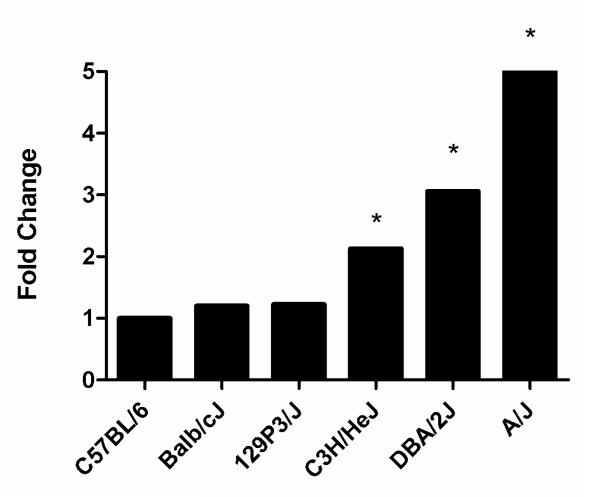
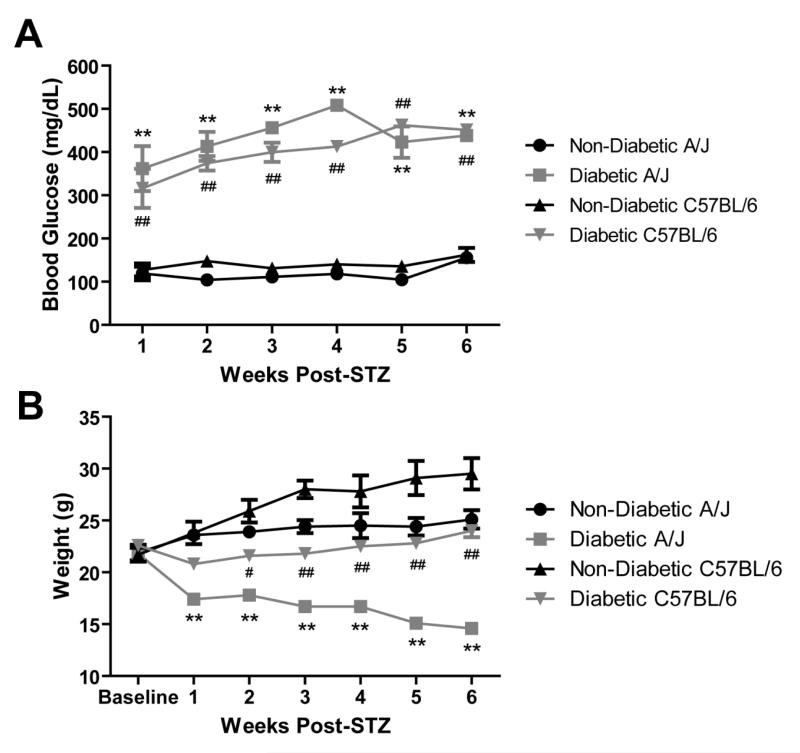
Inbred strains of mice were used to assess the variability of Glo1 expression by quantitative RT-PCR. Non-diabetic C57BL/6 mice were used to characterise the distribution of GLO1 in neural tissues by immunofluorescence. Behavioural assessments were conducted in diabetic A/J and C57BL/6 mice to determine mechanical sensitivity, and GLO1 abundance was determined by western blot.
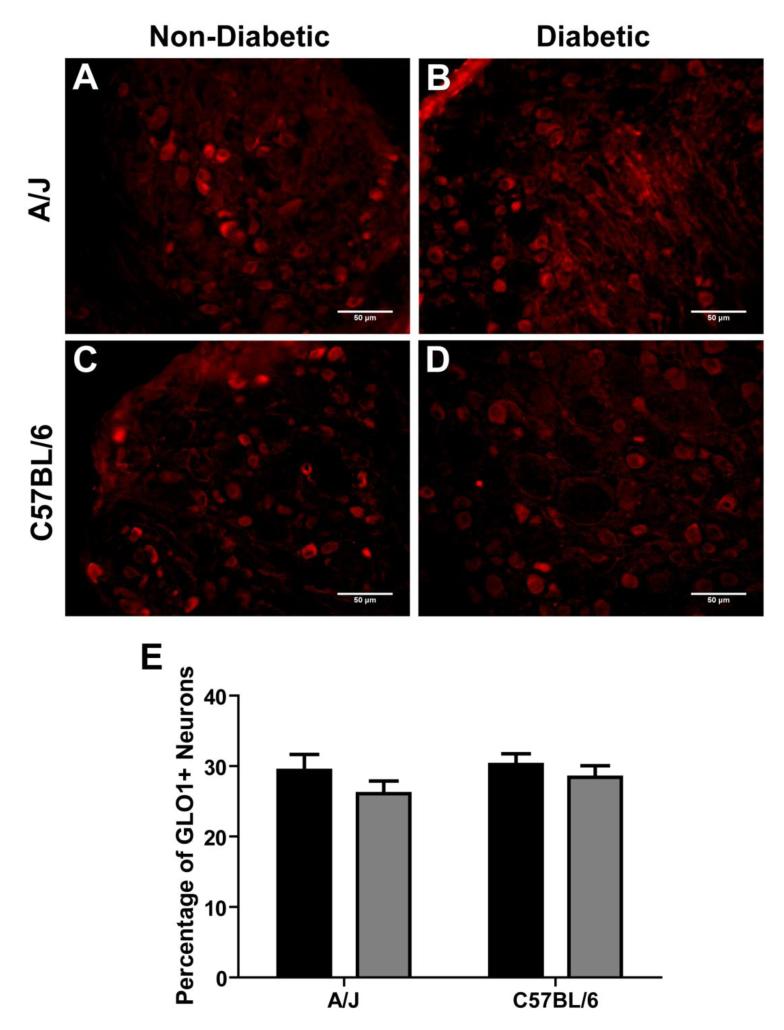
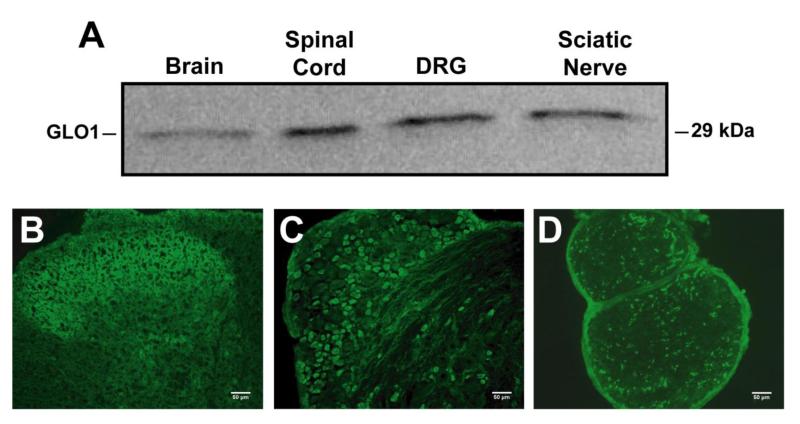
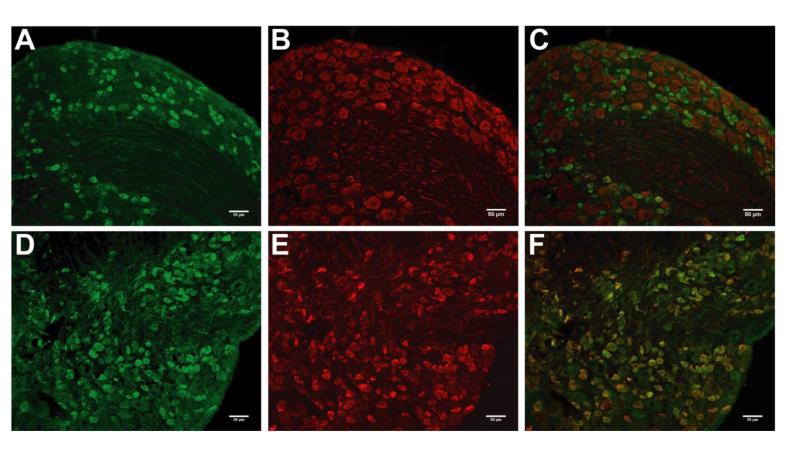
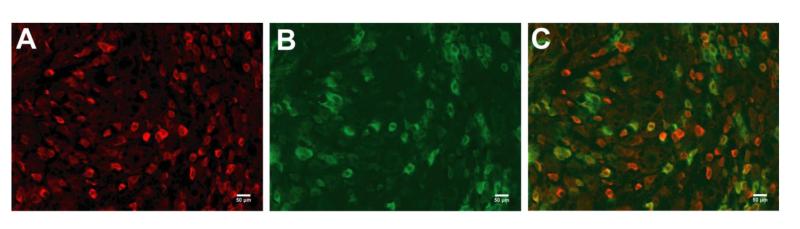
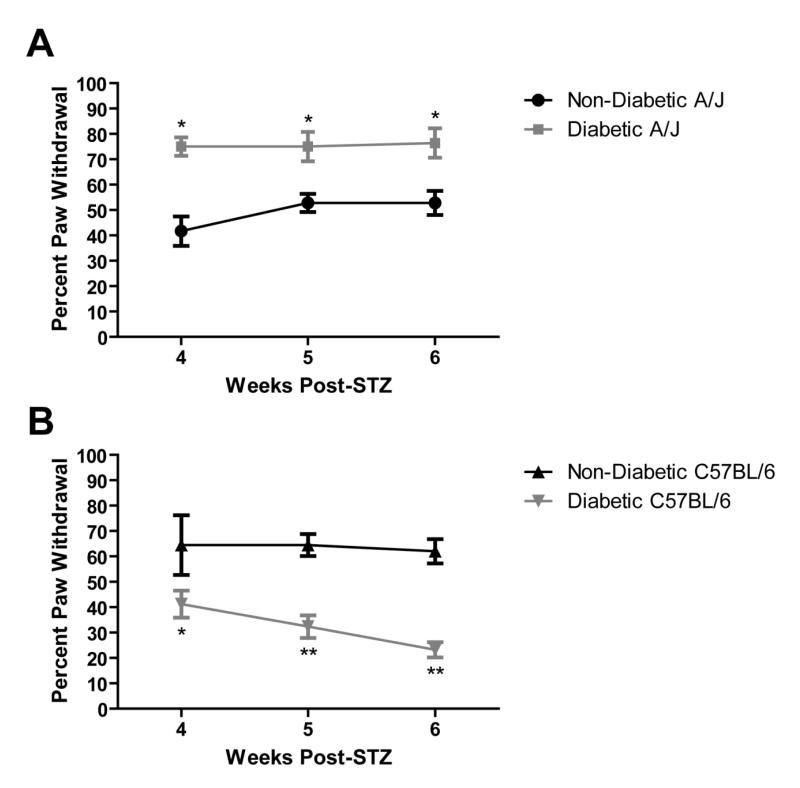
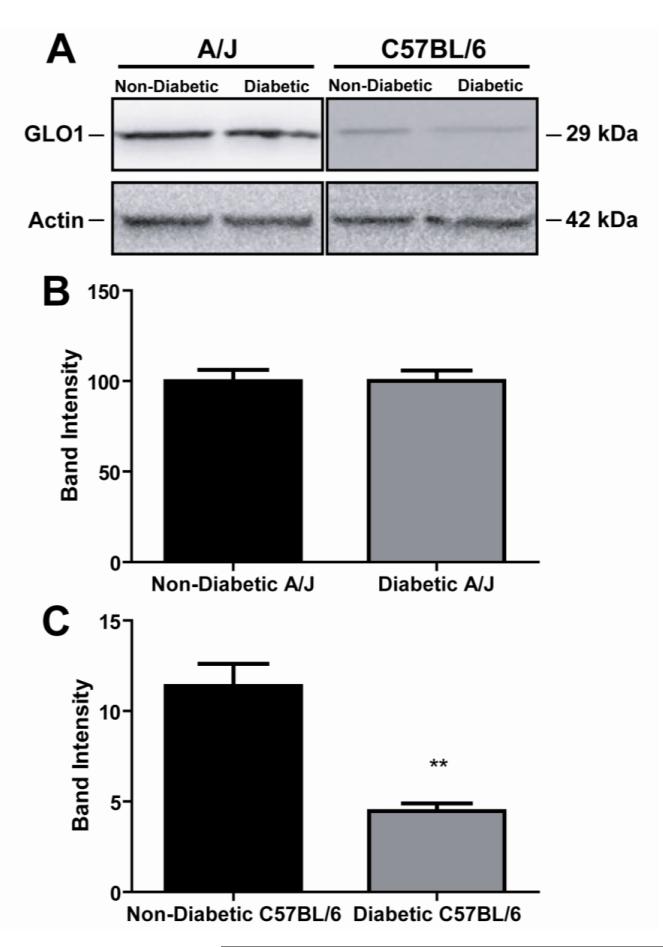
GLO1 immunoreactivity was found throughout the nervous system, but selectively in small, unmyelinated peptidergic dorsal root ganglia (DRG) neurons that are involved in pain transmission. GLO1 protein was present at various levels in DRG from different inbred mice strains. Diabetic A/J and C57BL/6 mice, two mouse strains with different levels of GLO1, displayed dramatically different behavioural responses to mechanical stimuli. Diabetic C57BL/6 mice also had a reduced abundance of GLO1 following diabetes induction.
CONCLUSIONS/INTERPRETATION: These findings reveal that the abundance of GLO1 varies between different murine strains and within different sensory neuron populations. These differences could lead to different responses of sensory neurons to the toxic effects of hyperglycaemia and reactive dicarbonyls associated with diabetes.
目的/假设:糖尿病周围神经病变(DN)是糖尿病的一种常见并发症;然而,产生阳性或阴性症状的机制尚不清楚。酶甘油醛-3-磷酸脱氢酶 1(GLO1)可以清除形成 AGE 的活性二羰基化合物,并且可能影响感觉神经元对 DN 中升高的 AGE 水平的反应方式。我们假设感觉神经元中 GLO1 水平的差异可能导致 AGE 形成的差异,并调节 DN 的表型。
使用近交系小鼠通过定量 RT-PCR 评估 Glo1 表达的可变性。使用非糖尿病 C57BL/6 小鼠通过免疫荧光法来表征 GLO1 在神经组织中的分布。在糖尿病 A/J 和 C57BL/6 小鼠中进行行为评估,以确定机械敏感性,并用 Western blot 测定 GLO1 丰度。
GLO1 免疫反应性存在于整个神经系统,但选择性地存在于参与疼痛传递的小而无髓鞘的肽能背根神经节(DRG)神经元中。来自不同近交系小鼠的 DRG 中 GLO1 蛋白的存在水平不同。两种不同 GLO1 水平的小鼠品系,糖尿病 A/J 和 C57BL/6 小鼠,对机械刺激的行为反应截然不同。糖尿病 C57BL/6 小鼠在诱导糖尿病后 GLO1 的丰度也降低了。
结论/解释:这些发现表明 GLO1 的丰度在不同的小鼠品系之间以及不同的感觉神经元群体之间存在差异。这些差异可能导致感觉神经元对高血糖和与糖尿病相关的活性二羰基化合物的毒性作用产生不同的反应。