CIFOR, JL CIFOR Situ Gede, Bogor 16000, Indonesia.
Environ Manage. 2011 Aug;48(2):334-49. doi: 10.1007/s00267-011-9689-1. Epub 2011 Jun 5.
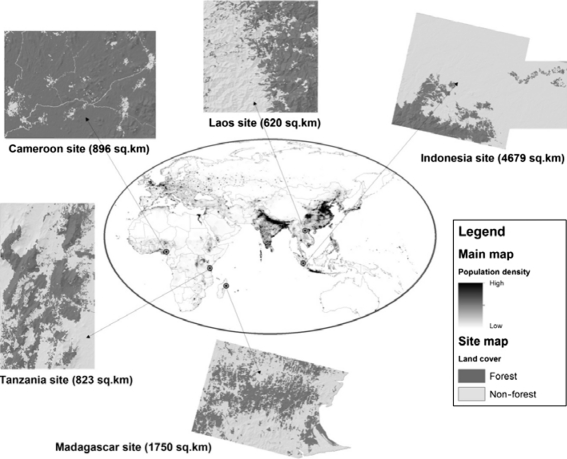
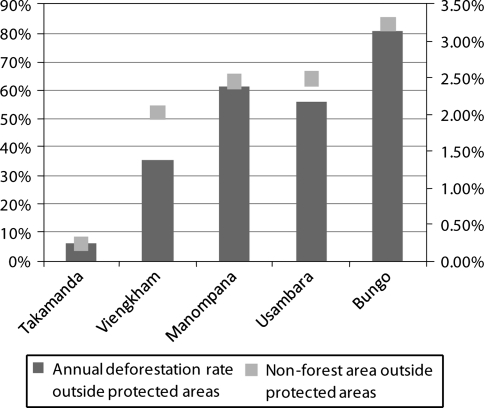
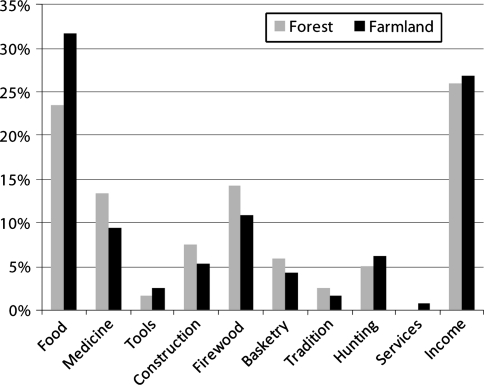
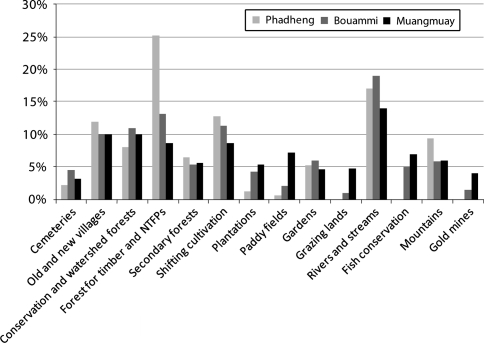
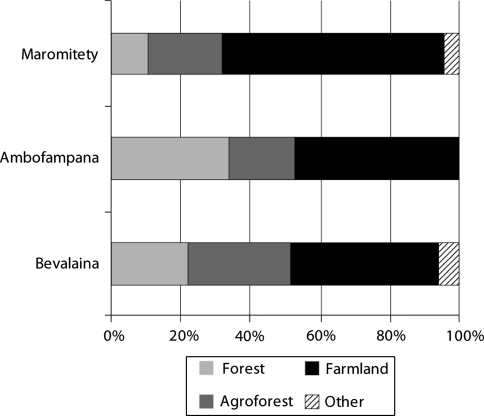
We examine five forested landscapes in Africa (Cameroon, Madagascar, and Tanzania) and Asia (Indonesia and Laos) at different stages of landscape change. In all five areas, forest cover (outside of protected areas) continues to decrease despite local people's recognition of the importance of forest products and services. After forest conversion, agroforestry systems and fallows provide multiple functions and valued products, and retain significant biodiversity. But there are indications that such land use is transitory, with gradual simplification and loss of complex agroforests and fallows as land use becomes increasingly individualistic and profit driven. In Indonesia and Tanzania, farmers favor monocultures (rubber and oil palm, and sugarcane, respectively) for their high financial returns, with these systems replacing existing complex agroforests. In the study sites in Madagascar and Laos, investments in agroforests and new crops remain rare, despite government attempts to eradicate swidden systems and their multifunctional fallows. We discuss approaches to assessing local values related to landscape cover and associated goods and services. We highlight discrepancies between individual and collective responses in characterizing land use tendencies, and discuss the effects of accessibility on land management. We conclude that a combination of social, economic, and spatially explicit assessment methods is necessary to inform land use planning. Furthermore, any efforts to modify current trends will require clear incentives, such as through carbon finance. We speculate on the nature of such incentive schemes and the possibility of rewarding the provision of ecosystem services at a landscape scale and in a socially equitable manner.
我们研究了非洲(喀麦隆、马达加斯加和坦桑尼亚)和亚洲(印度尼西亚和老挝)五个处于不同景观变化阶段的森林景观。在所有这五个地区,尽管当地人认识到森林产品和服务的重要性,但森林覆盖(保护区外)仍在继续减少。在森林转换后,农林复合系统和休耕提供了多种功能和有价值的产品,并保留了大量的生物多样性。但有迹象表明,这种土地利用是短暂的,随着土地利用变得越来越个体化和利润驱动,复杂的农林复合系统和休耕逐渐简化和丧失。在印度尼西亚和坦桑尼亚,农民倾向于种植单一作物(橡胶和油棕,以及甘蔗),因为它们的经济回报高,这些系统取代了现有的复杂农林复合系统。在马达加斯加和老挝的研究点,尽管政府试图消除刀耕火种系统及其多功能休耕,但对农林复合系统和新作物的投资仍然很少。我们讨论了评估与景观覆盖和相关商品及服务相关的地方价值的方法。我们强调了在描述土地利用趋势时个体和集体反应之间的差异,并讨论了可达性对土地管理的影响。我们的结论是,需要结合社会、经济和空间明确的评估方法来为土地利用规划提供信息。此外,任何改变当前趋势的努力都需要明确的激励措施,例如通过碳融资。我们推测了这种激励计划的性质,以及以社会公平的方式在景观尺度上奖励生态系统服务提供的可能性。