Forshell Linus Plym, Li Yongmei, Forshell Tacha Zi Plym, Rudelius Martina, Nilsson Lisa, Keller Ulrich, Nilsson Jonas
Department of Molecular Biology, Umeå University, Umeå, Sweden.
Oncotarget. 2011 Jun;2(6):448-60. doi: 10.18632/oncotarget.283.
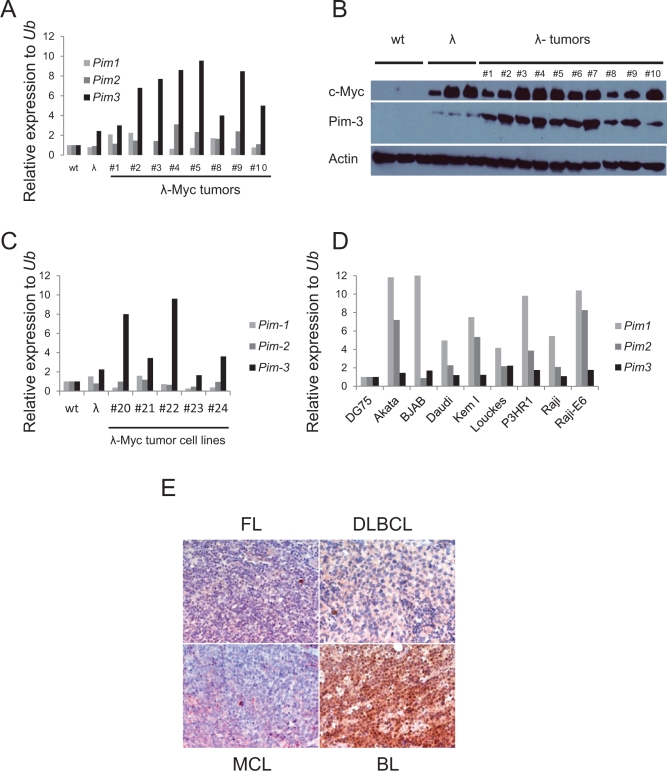
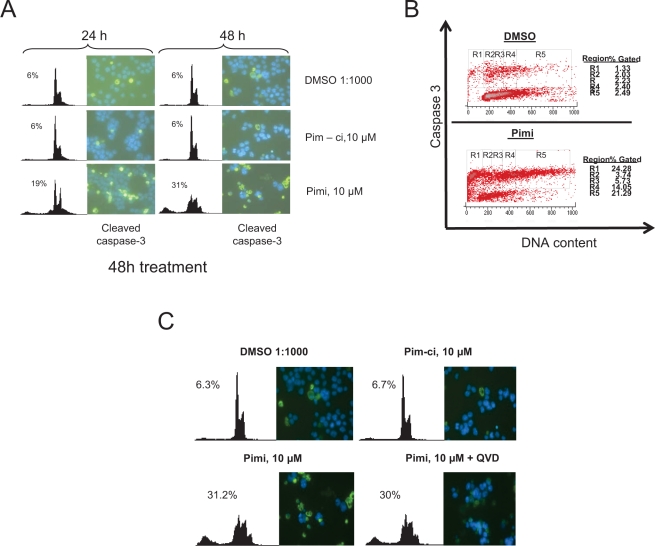
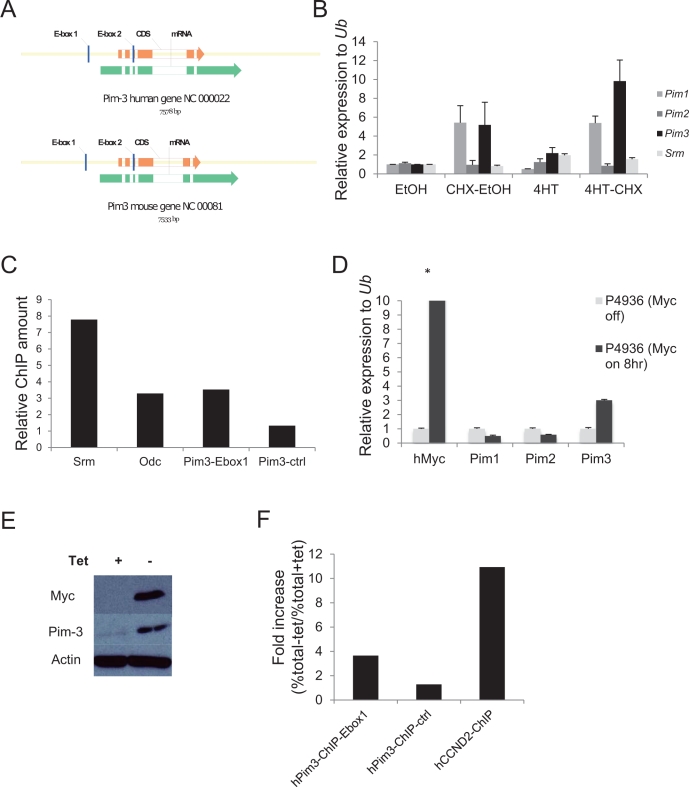
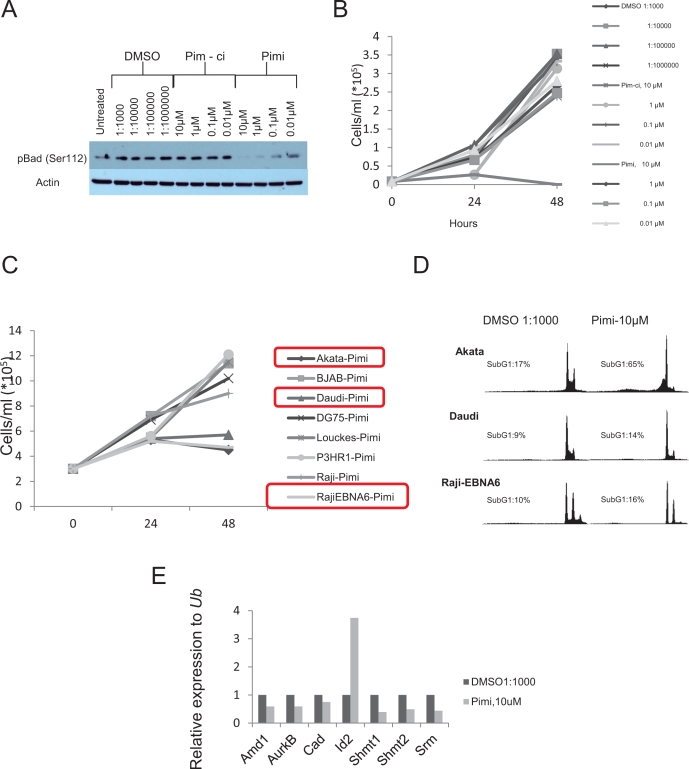
The Pim kinases are weak oncogenes. However, when co-expressed with a strong oncogene, such as c-Myc, Pim kinases potentiate the oncogenic effect resulting in an acceleration of tumorigenesis. In this study we show that the least studied Pim kinase, Pim-3, is encoded by a gene directly regulated by c-Myc via binding to one of the conserved E-boxes within the Pim3 gene. Accordingly, lymphomas arising in Myc-transgenic mice and Burkitt lymphoma cell lines exhibit elevated levels of Pim-3. Interestingly, inhibition of Pim kinases by a novel pan-Pim kinase inhibitor, Pimi, in Myc-induced lymphoma results in cell death that appears independent of caspases. The data indicate that Pim kinase inhibition could be a viable treatment strategy in certain human lymphomas that rely on Pim-3 kinase expression.
Pim激酶是弱癌基因。然而,当与强癌基因如c-Myc共表达时,Pim激酶会增强致癌作用,导致肿瘤发生加速。在本研究中,我们发现研究最少的Pim激酶Pim-3由一个基因编码,该基因通过与Pim3基因内一个保守的E盒结合而直接受c-Myc调控。因此,Myc转基因小鼠和伯基特淋巴瘤细胞系中产生的淋巴瘤表现出Pim-3水平升高。有趣的是,一种新型泛Pim激酶抑制剂Pimi对Myc诱导的淋巴瘤中的Pim激酶的抑制导致细胞死亡,这种细胞死亡似乎不依赖于半胱天冬酶。数据表明,抑制Pim激酶可能是某些依赖Pim-3激酶表达的人类淋巴瘤的一种可行治疗策略。