Colley Kenneth J, Wolfert Robert L, Cobble Michael E
EPMA J. 2011 Mar;2(1):27-38. doi: 10.1007/s13167-011-0063-4. Epub 2011 Mar 10.
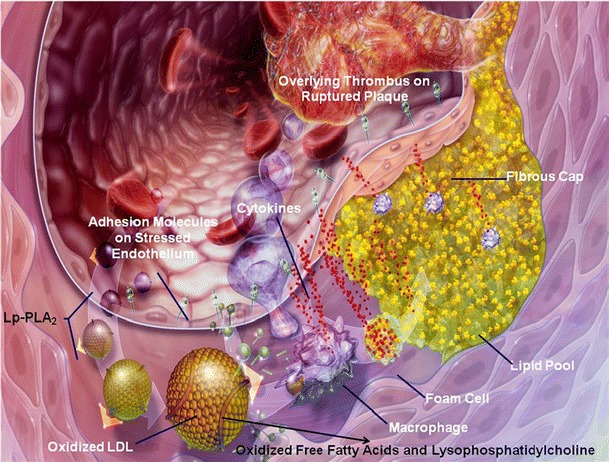
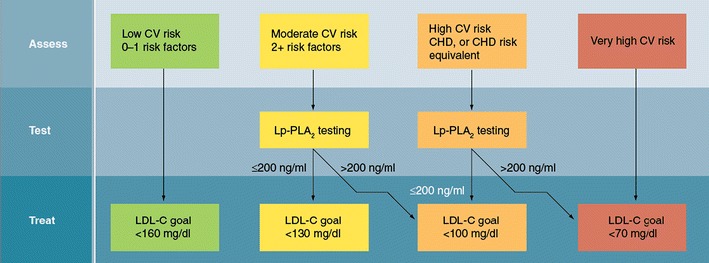
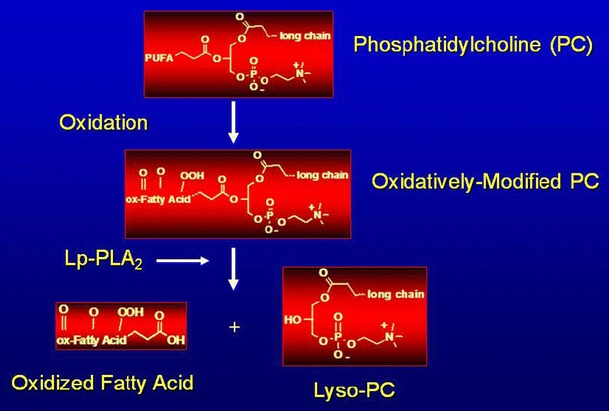
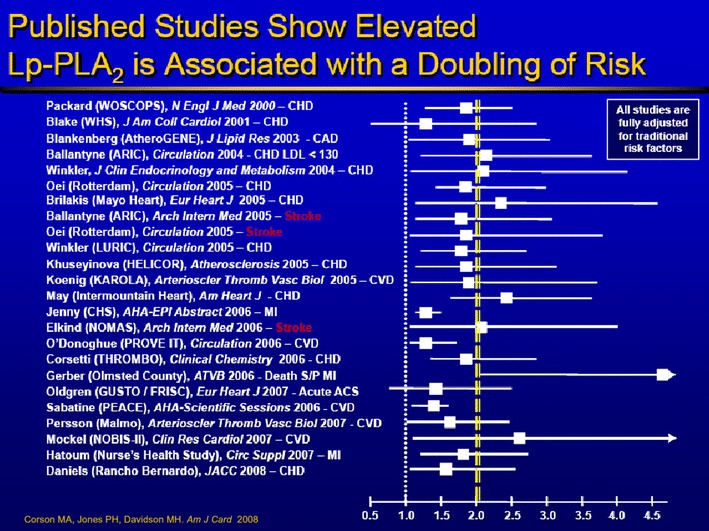
Atherosclerosis and its clinical manifestations are widely prevalent throughout the world. Atherogenesis is highly complex and modulated by numerous genetic and environmental risk factors. A large body of basic scientific and clinical research supports the conclusion that inflammation plays a significant role in atherogenesis along the entire continuum of its progression. Inflammation adversely impacts intravascular lipid handling and metabolism, resulting in the development of macrophage foam cell, fatty streak, and atheromatous plaque formation. Given the enormous human and economic cost of myocardial infarction, ischemic stroke, peripheral arterial disease and amputation, and premature death and disability, considerable effort is being committed to refining our ability to correctly identify patients at heightened risk for atherosclerotic vascular disease and acute cardiovascular events so that they can be treated earlier and more aggressively. Serum markers of inflammation have emerged as an important component of risk factor burden. Lipoprotein-associated phospholipase A2 (Lp-PLA(2)) potentiates intravascular inflammation and atherosclerosis. A variety of epidemiologic studies support the utility of Lp-PLA(2) measurements for estimating and further refining cardiovascular disease risk. Drug therapies to inhibit Lp-PLA(2) are in development and show considerable promise, including darapladib, a specific molecular inhibitor of the enzyme. In addition to substantially inhibiting Lp-PLA(2) activity, darapladib reduces progression of the necrotic core volume of human coronary artery atheromatous plaque. The growing body of evidence points to an important role and utility for Lp-PLA(2) testing in preventive and personalized clinical medicine.
动脉粥样硬化及其临床表现广泛存在于世界各地。动脉粥样硬化的形成极为复杂,受众多遗传和环境风险因素的调控。大量基础科学和临床研究支持这样的结论:炎症在动脉粥样硬化形成的整个过程中起着重要作用。炎症对血管内脂质的处理和代谢产生不利影响,导致巨噬细胞泡沫细胞、脂纹和动脉粥样斑块的形成。鉴于心肌梗死、缺血性中风、外周动脉疾病和截肢以及过早死亡和残疾所带来的巨大人力和经济成本,人们正在付出巨大努力来提高我们正确识别动脉粥样硬化性血管疾病和急性心血管事件高风险患者的能力,以便能更早、更积极地对他们进行治疗。炎症的血清标志物已成为风险因素负担的重要组成部分。脂蛋白相关磷脂酶A2(Lp-PLA₂)会加剧血管内炎症和动脉粥样硬化。各种流行病学研究支持Lp-PLA₂检测在评估和进一步细化心血管疾病风险方面的作用。抑制Lp-PLA₂的药物疗法正在研发中,并且显示出相当大的前景,包括达拉匹林,一种该酶的特异性分子抑制剂。除了大幅抑制Lp-PLA₂活性外,达拉匹林还能减少人类冠状动脉粥样斑块坏死核心体积的进展。越来越多的证据表明Lp-PLA₂检测在预防和个性化临床医学中具有重要作用和用途。