Department of Public Health, Comparative Pathology and Veterinary Hygiene, University of Padua, Legnaro, Italy.
PLoS One. 2011;6(5):e19417. doi: 10.1371/journal.pone.0019417. Epub 2011 May 18.
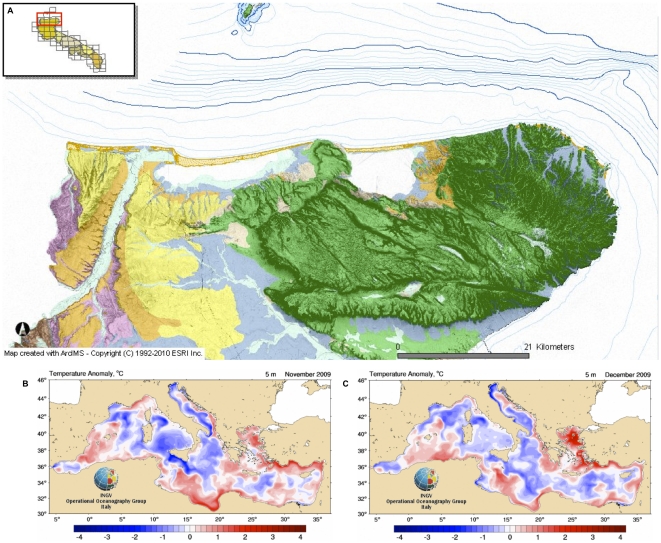
Mass strandings of sperm whales (Physeter macrocephalus) remain peculiar and rather unexplained events, which rarely occur in the Mediterranean Sea. Solar cycles and related changes in the geomagnetic field, variations in water temperature and weather conditions, coast geographical features and human activities have been proposed as possible causes. In December 2009, a pod of seven male sperm whales stranded along the Adriatic coast of Southern Italy. This is the sixth instance from 1555 in this basin.
METHODOLOGY/PRINCIPAL FINDINGS: Complete necropsies were performed on three whales whose bodies were in good condition, carrying out on sampled tissues histopathology, virology, bacteriology, parasitology, and screening of veins looking for gas emboli. Furthermore, samples for age determination, genetic studies, gastric content evaluation, stable isotopes and toxicology were taken from all the seven specimens. The animals were part of the same group and determined by genetic and photo-identification to be part of the Mediterranean population. Causes of death did not include biological agents, or the "gas and fat embolic syndrome", associated with direct sonar exposure. Environmental pollutant tissue concentrations were relatively high, in particular organochlorinated xenobiotics. Gastric content and morphologic tissue examinations showed a prolonged starvation, which likely caused, at its turn, the mobilization of lipophilic contaminants from the adipose tissue. Chemical compounds subsequently entered the blood circulation and may have impaired immune and nervous functions.
CONCLUSIONS/SIGNIFICANCE: A multi-factorial cause underlying this sperm whales' mass stranding is proposed herein based upon the results of postmortem investigations as well as of the detailed analyses of the geographical and historical background. The seven sperm whales took the same "wrong way" into the Adriatic Sea, a potentially dangerous trap for Mediterranean sperm whales. Seismic surveys should be also regarded as potential co-factors, even if no evidence of direct impact has been detected.
抹香鲸大规模搁浅仍然是一个奇特且尚未完全解释的事件,这种情况在地中海很少发生。太阳活动周期和相关的地磁场变化、水温变化和天气条件、海岸地理特征以及人类活动都被认为是可能的原因。2009 年 12 月,一群 7 头雄性抹香鲸在意大利南部的亚得里亚海沿岸搁浅。这是该海域自 1555 年以来的第六次搁浅事件。
方法/主要发现:对 3 头身体状况良好的鲸鱼进行了完整的尸检,对取样组织进行了组织病理学、病毒学、细菌学、寄生虫学检查,并对静脉进行了气体栓塞筛查。此外,从所有 7 头鲸鱼中采集了用于年龄测定、遗传研究、胃内容物评估、稳定同位素和毒理学的样本。这些动物属于同一群体,通过遗传和照片识别确定它们属于地中海种群。死因不包括生物制剂或与直接声纳暴露相关的“气体和脂肪栓塞综合征”。环境污染物组织浓度相对较高,特别是有机氯异生物。胃内容物和组织形态学检查显示,这些鲸鱼经历了长时间的饥饿,这可能导致它们从脂肪组织中动员出亲脂性污染物。这些化学物质随后进入血液循环,可能损害了免疫和神经系统功能。
结论/意义:本文提出了一种多因素导致抹香鲸大规模搁浅的原因,这是基于尸检结果以及对地理和历史背景的详细分析得出的。这 7 头抹香鲸沿着同一条“错误的道路”进入亚得里亚海,这对地中海抹香鲸来说是一个潜在的危险陷阱。地震调查也应被视为潜在的共同因素,尽管没有发现直接影响的证据。