Nakamura Masaya, Nishiwaki Yuji, Ushida Takahiro, Toyama Yoshiaki
Department of Orthopaedic Surgery, School of Medicine, Keio University, 35 Shinanomachi, Shinjuku, Tokyo, 160-8582, Japan.
J Orthop Sci. 2011 Jul;16(4):424-32. doi: 10.1007/s00776-011-0102-y. Epub 2011 Jun 16.
This cross-sectional study was conducted to obtain epidemiologic data on chronic musculoskeletal pain in the Japanese people, and with it a better understanding of the actual conditions and problems involved.
A questionnaire covering basic information, chronic musculoskeletal pain, daily life, quality of life, and social loss was prepared and mailed to 11507 individuals aged 18 years or older. Subjects were selected randomly nationwide in accordance with the demographic composition of Japan.
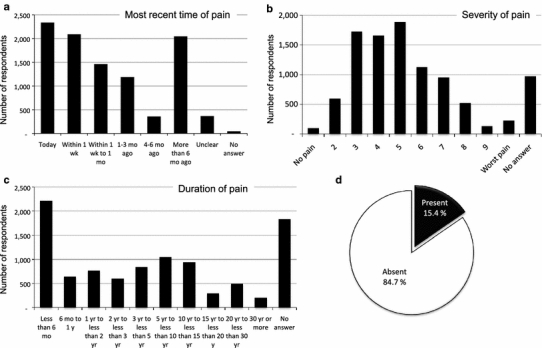
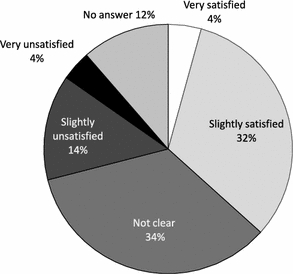
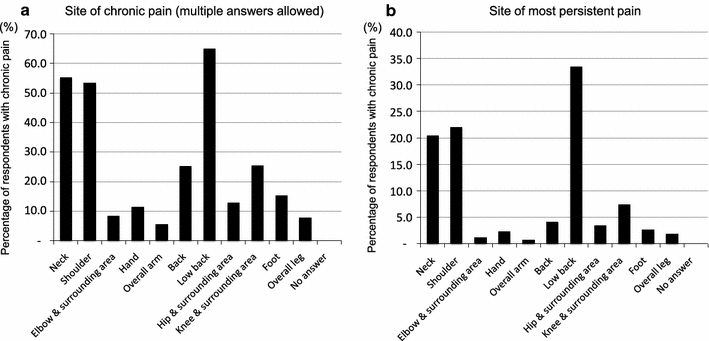
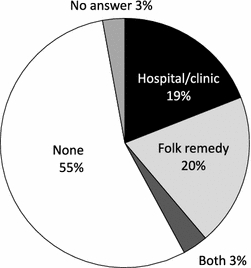
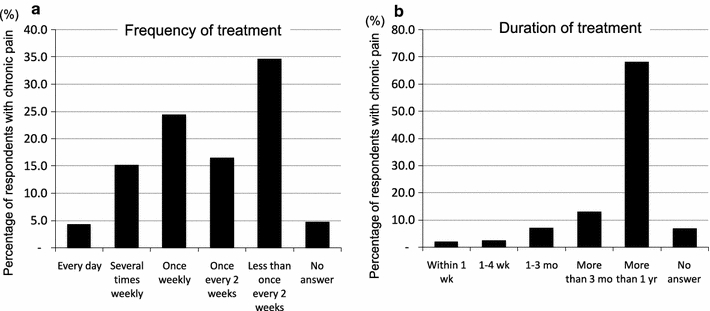
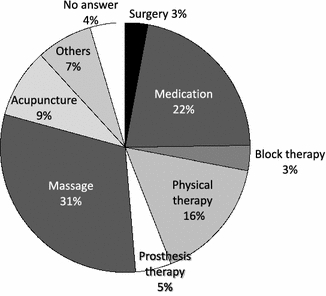
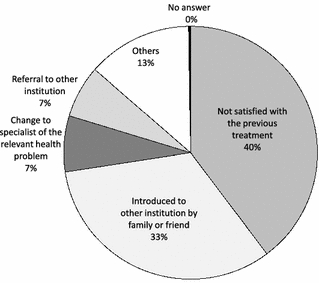
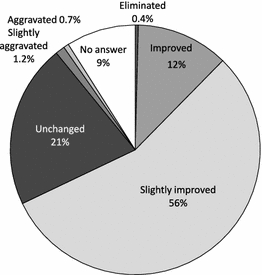
The prevalence of chronic musculoskeletal pain was 15.4%. The prevalence was highest in people in their 30s to 50s. Pain occurred most frequently in the low back, neck, shoulder, and knee. Among symptomatic subjects, 42% sought treatment, by visiting a medical institution (19%), taking folk remedies (20%), or both (3%). Treatment was generally prolonged, with 70% of those treated reporting treatment durations of more than a year. Although 69% reported that their symptoms had improved, 30% reported unchanged or aggravated symptoms and dissatisfaction with treatment. Among symptomatic subjects, a high percentage of both men and women had lost jobs, left school, been absent from work or school, or had changed jobs. Basic activities of daily living (ADL) were disturbed in men, and the instrumental ADL (IADL) score was low in women. SF-36 scale scores were significantly lower in every area for subjects with chronic pain.
Chronic musculoskeletal pain does not necessarily improve even with prolonged treatment. It adversely affects daily life and both physical and mental health. Because those suffering pain often increasingly need assistance in daily activities, people around them are also affected. The therapeutic system and treatment procedures for chronic musculoskeletal pain merit prompt review.
本横断面研究旨在获取日本人群慢性肌肉骨骼疼痛的流行病学数据,以便更好地了解实际情况及相关问题。
准备了一份涵盖基本信息、慢性肌肉骨骼疼痛、日常生活、生活质量和社会损失的问卷,并邮寄给11507名18岁及以上的个体。根据日本的人口构成在全国范围内随机选取受试者。
慢性肌肉骨骼疼痛的患病率为15.4%。患病率在30多岁至50多岁的人群中最高。疼痛最常发生在腰、颈、肩和膝部。在有症状的受试者中,42%寻求治疗,方式包括就诊医疗机构(19%)、采用民间疗法(20%)或两者皆用(3%)。治疗通常持续时间较长,70%接受治疗的受试者报告治疗持续时间超过一年。尽管69%报告症状有所改善,但30%报告症状未改变或加重且对治疗不满意。在有症状的受试者中,相当比例的男性和女性出现失业、辍学、缺勤或换工作的情况。男性的基本日常生活活动(ADL)受到干扰,女性的工具性日常生活活动(IADL)得分较低。慢性疼痛受试者在SF - 36量表各领域的得分均显著较低。
即使经过长期治疗,慢性肌肉骨骼疼痛也不一定会改善。它对日常生活以及身心健康都有不利影响。由于疼痛患者在日常活动中往往越来越需要帮助,他们周围的人也会受到影响。慢性肌肉骨骼疼痛的治疗体系和治疗流程值得迅速审视。