Section of Infectious Diseases, Boston Medical Center, Boston University School of Medicine, Boston, Massachusetts, United States of America.
PLoS One. 2011;6(6):e20846. doi: 10.1371/journal.pone.0020846. Epub 2011 Jun 14.
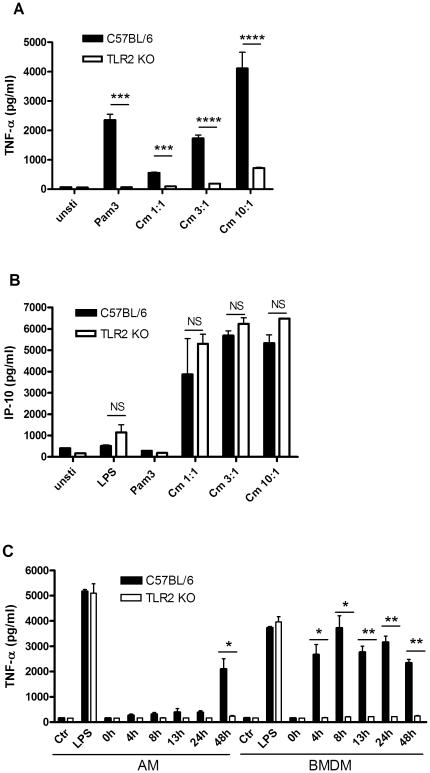
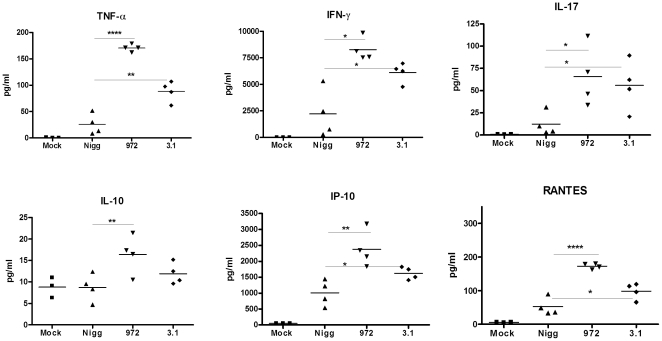
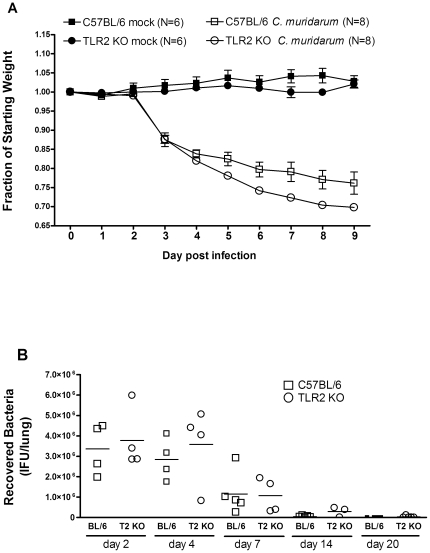
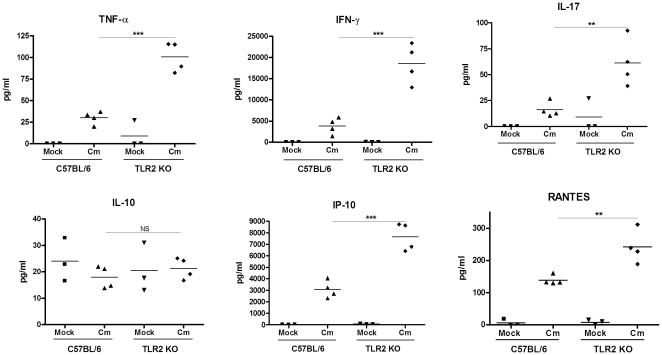
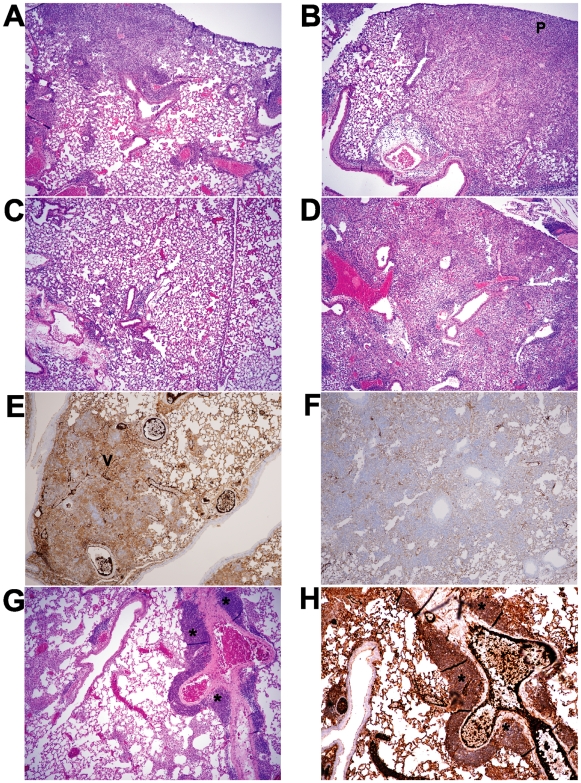
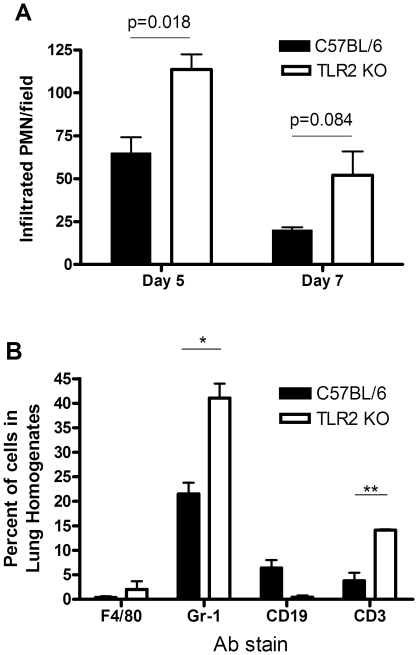
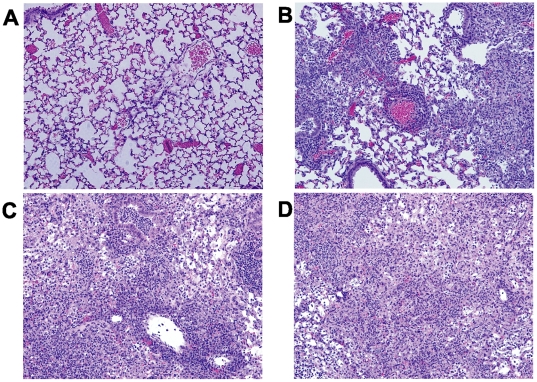
Chlamydia trachomatis is a common sexually transmitted pathogen and is associated with infant pneumonia. Data from the female mouse model of genital tract chlamydia infection suggests a requirement for TLR2-dependent signaling in the induction of inflammation and oviduct pathology. We hypothesized that the role of TLR2 in moderating mucosal inflammation is site specific. In order to investigate this, we infected mice via the intranasal route with C. muridarum and observed that in the absence of TLR2 activation, mice had more severe disease, higher lung cytokine levels, and an exaggerated influx of neutrophils and T-cells into the lungs. This could not be explained by impaired bacterial clearance as TLR2-deficient mice cleared the infection similar to controls. These data suggest that TLR2 has an anti-inflammatory function in the lung during Chlamydia infection, and that the role of TLR2 in mucosal inflammation varies at different mucosal surfaces.
沙眼衣原体是一种常见的性传播病原体,与婴儿肺炎有关。生殖道沙眼衣原体感染的雌性小鼠模型的数据表明,TLR2 依赖性信号在诱导炎症和输卵管病理学方面是必需的。我们假设 TLR2 在调节黏膜炎症中的作用具有特定的部位特异性。为了研究这一点,我们通过鼻腔途径感染小鼠,并用 C. muridarum 感染,观察到在缺乏 TLR2 激活的情况下,小鼠的疾病更严重,肺部细胞因子水平更高,并且中性粒细胞和 T 细胞大量涌入肺部。这不能用细菌清除受损来解释,因为 TLR2 缺陷型小鼠清除感染的速度与对照组相似。这些数据表明,TLR2 在肺炎衣原体感染期间在肺部具有抗炎功能,并且 TLR2 在黏膜炎症中的作用在不同的黏膜表面是不同的。