Govender Thashlin, Barnes Jo M, Pieper Clarissa H
Division of Community Health, Department of Interdisciplinary Health Sciences, Faculty of Health Sciences, Stellenbosch University, Tygerberg, Cape Town, South Africa.
Environ Health Insights. 2011;5:23-52. doi: 10.4137/EHI.S7112. Epub 2011 May 16.
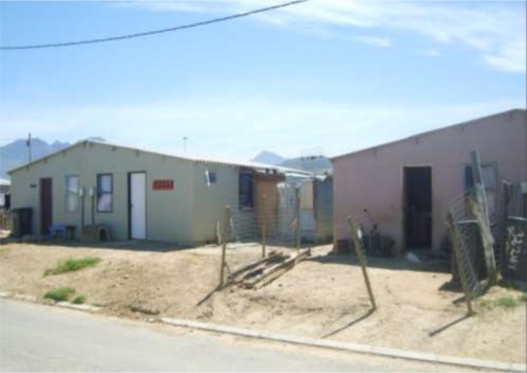
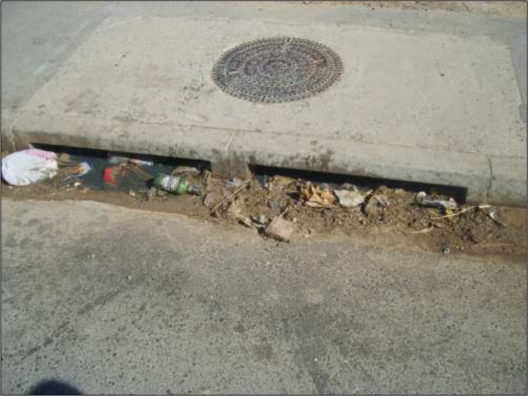
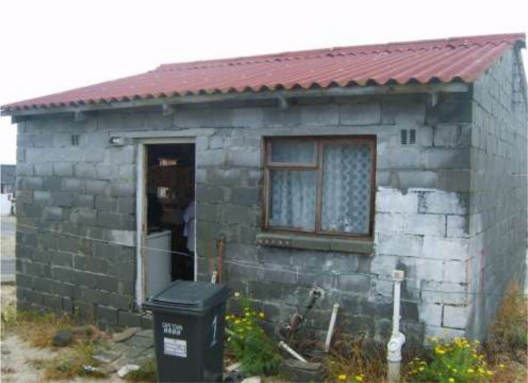
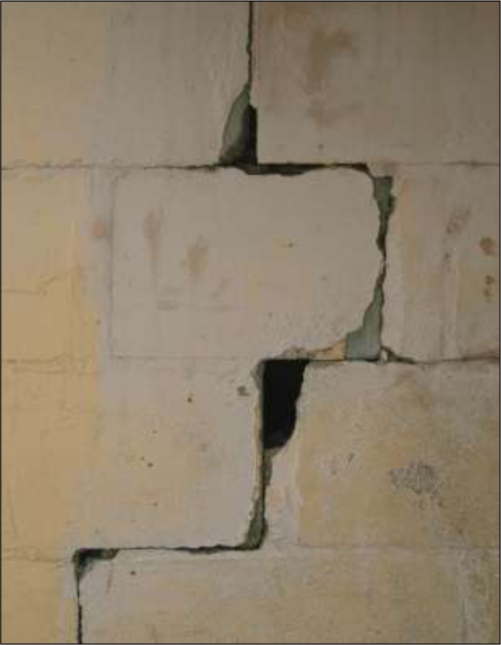
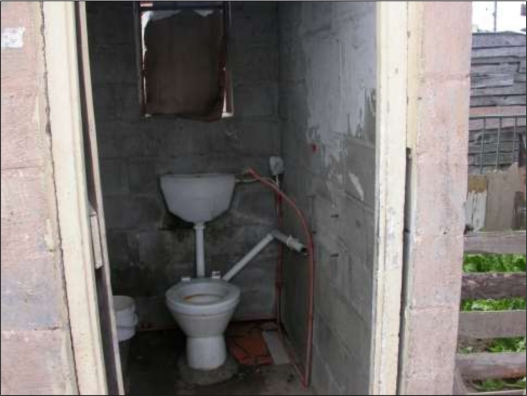
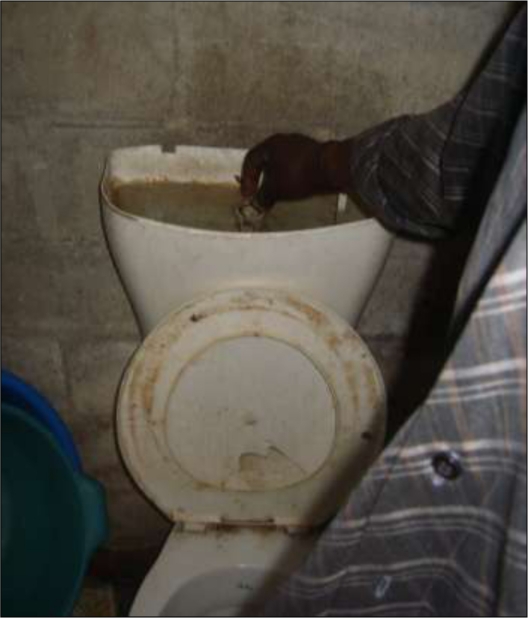
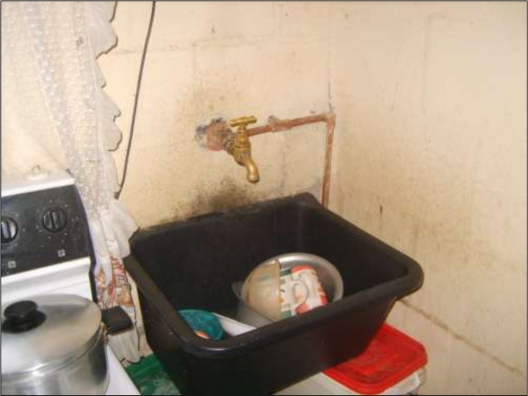
This paper investigates the state-sponsored low cost housing provided to previously disadvantaged communities in the City of Cape Town. The strain imposed on municipal services by informal densification of unofficial backyard shacks was found to create unintended public health risks. Four subsidized low-cost housing communities were selected within the City of Cape Town in this cross-sectional survey. Data was obtained from 1080 persons with a response rate of 100%. Illegal electrical connections to backyard shacks that are made of flimsy materials posed increased fire risks. A high proportion of main house owners did not pay for water but sold water to backyard dwellers. The design of state-subsidised houses and the unplanned housing in the backyard added enormous pressure on the existing municipal infrastructure and the environment. Municipal water and sewerage systems and solid waste disposal cannot cope with the increased population density and poor sanitation behaviour of the inhabitants of these settlements. The low-cost housing program in South Africa requires improved management and prudent policies to cope with the densification of state-funded low-cost housing settlements.
本文调查了开普敦市为先前处于弱势地位的社区提供的政府资助的低成本住房。研究发现,非官方后院棚屋的非正式密集化给市政服务带来的压力,造成了意想不到的公共卫生风险。在本次横断面调查中,在开普敦市内选择了四个补贴型低成本住房社区。从1080人那里获取了数据,回复率为100%。用脆弱材料建造的后院棚屋的非法电气连接带来了更高的火灾风险。很大一部分主屋业主不支付水费,而是将水卖给后院居民。政府补贴住房的设计以及后院的无序住房给现有的市政基础设施和环境增加了巨大压力。市政供水和排水系统以及固体废物处理无法应对这些定居点居民增加的人口密度和不良卫生行为。南非的低成本住房计划需要改善管理并制定审慎的政策,以应对政府资助的低成本住房定居点的密集化问题。