Cui Tongxiang, Lv Ruitao, Huang Zheng-Hong, Kang Feiyu, Wang Kunlin, Wu Dehai
Laboratory of Advanced Materials, Department of Materials Science and Engineering, Tsinghua University, Beijing 100084, PR China.
Nanoscale Res Lett. 2011 Jan 12;6(1):77. doi: 10.1186/1556-276X-6-77.
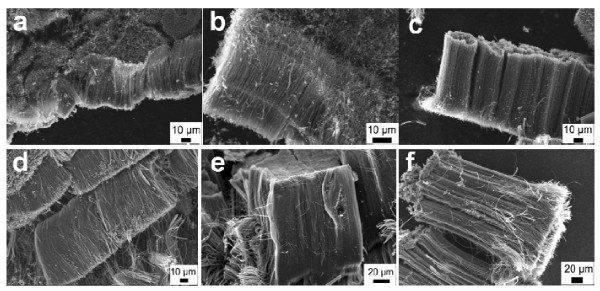
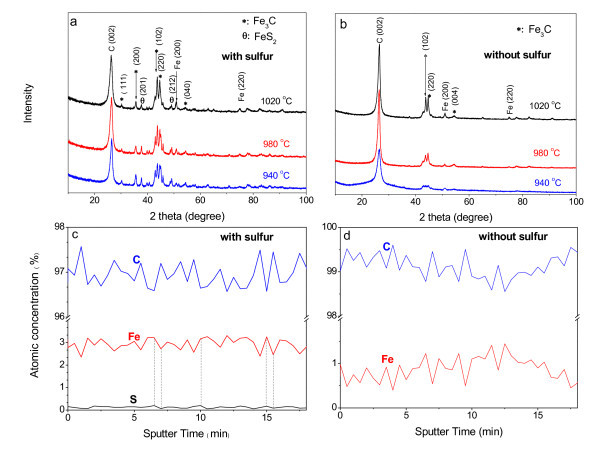
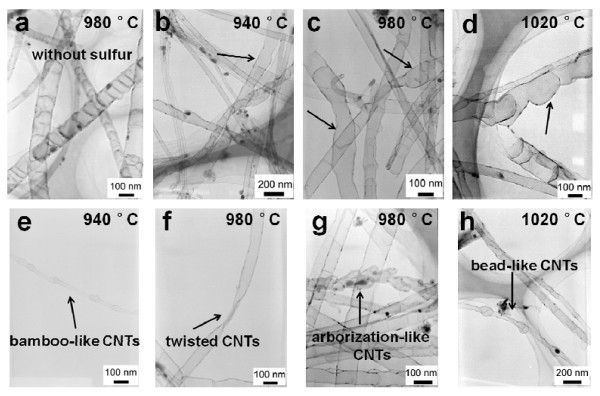
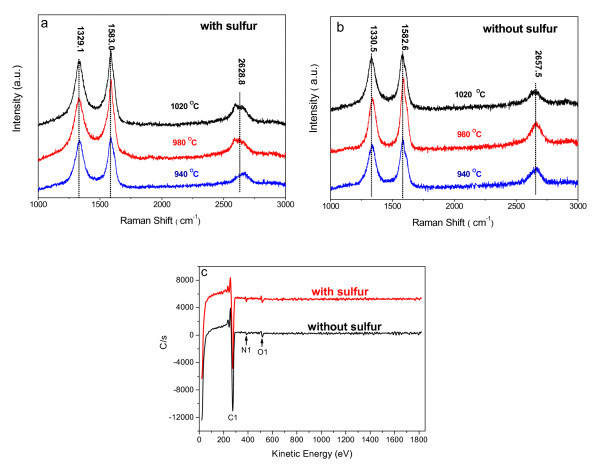
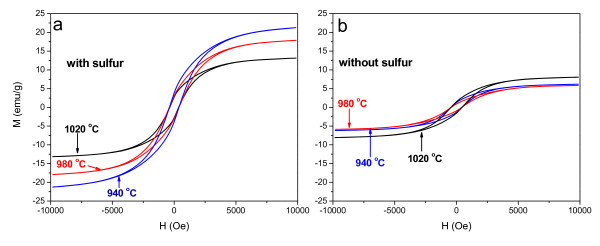
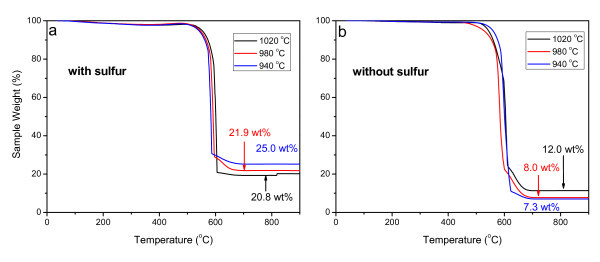
Sulfur (S) is introduced as an additive in the growth atmosphere of carbon nanotubes (CNTs) in the range of 940-1020°C. CNT products with distorted sidewalls can be obtained by S-assisted growth. Moreover, many fascinating CNT structures can also be found in samples grown with S addition, such as bamboo-like CNTs, twisted CNTs, arborization-like CNTs, and bead-like CNTs. Compared with CNTs grown without S, more nitrogen-doping content is achieved in CNTs with S addition, which is beneficial for the properties and applications of nitrogen-doped CNTs. In addition, S can also enhance the encapsulation of ferromagnetic materials and thus improve the soft magnetic properties of CNTs, which is favorable to the applications of CNTs in the electromagnetic wave-absorbing and magnetic data storage areas.
在940-1020°C范围内,硫(S)被引入到碳纳米管(CNT)的生长气氛中。通过硫辅助生长可以获得侧壁扭曲的碳纳米管产品。此外,在添加硫生长的样品中还能发现许多迷人的碳纳米管结构,如竹节状碳纳米管、扭曲碳纳米管、树枝状碳纳米管和珠状碳纳米管。与无硫生长的碳纳米管相比,添加硫的碳纳米管中实现了更高的氮掺杂含量,这有利于氮掺杂碳纳米管的性能和应用。此外,硫还可以增强铁磁材料的封装,从而改善碳纳米管的软磁性能,这有利于碳纳米管在电磁波吸收和磁数据存储领域的应用。