Immunology and Cell Biology Laboratory, Department of Zoology, School of life Sciences, University of North Bengal, Siliguri 734013, India.
Evid Based Complement Alternat Med. 2011;2011:471074. doi: 10.1093/ecam/neq033. Epub 2011 Jun 16.
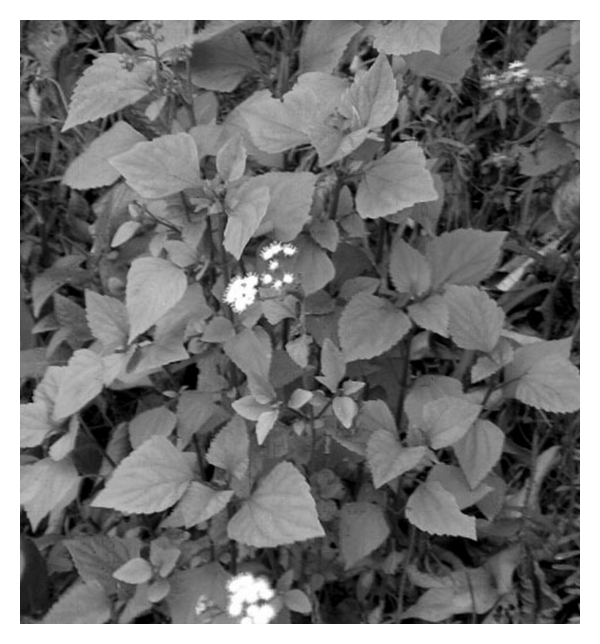
Search for a novel anti-inflammatory agent from a herbal source, such as Eupatorium adenophorum Spreng., a plant from the Eastern Himalayas, is of prime interest in the present investigation. Inflammation causes tissue destruction and development of diseases such as asthma, rheumatoid arthritis, and so forth. The ethanolic leaf extract of E. adenophorum (EEA) was administered intravenously and in other cases topically at the site of delayed type hypersensitivity (DTH) reaction in mouse foot paw induced with dinitrofluorobenzene. EEA can effectively inhibit DTH reaction and bring back normalcy to the paw much earlier than the controls. Efficacy of EEA on regulatory mechanisms for inflammation has also been considered. Intravenous administration of EEA increased the number of CD4(+) T cells in spleen and tumor necrosis factor (TNF)-α in serum of DTH mice. Initially it was difficult to reconcile with the anti-inflammatory role of EEA and simultaneous induction of TNF-α, an established pro-inflammatory cytokine. EEA induces higher expression of TNF-α gene and amount of the cytokine in serum. We discussed the other role of TNF-α, its involvement in repairing tissue damage incurred in course of inflammatory reaction. EEA also induces TGF-β encoding a cytokine involved in tissue repair mechanism. EEA inhibits expression of another pro-inflammatory cytokine gene IL-1β and downregulates cycloxygenase 2 (COX2) gene responsible for metabolism of inflammatory mediators like prostaglandins. Furthermore, anti-inflammatory role of EEA is also revealed through its inhibition of hydroxyl radical generation. Notably EEA does not necessarily affect the expression of other inflammation-related genes such as IL-6, IL-10 and IKK. The present study reports and analyzes for the first time the anti-inflammatory property of the leaf extract of E. adenophorum.
从草药来源寻找新型抗炎剂,如来自东喜马拉雅山的紫菀属植物,是目前研究的首要兴趣。炎症会导致组织破坏和哮喘、类风湿性关节炎等疾病的发展。紫菀属植物叶的乙醇提取物(EEA)通过静脉内给药和其他情况在二硝基氟苯诱导的小鼠足爪迟发型超敏反应(DTH)部位局部给药。EEA 可以有效抑制 DTH 反应,并使爪子更早恢复正常,比对照组更早。EEA 对炎症调节机制的疗效也已被考虑。静脉内给予 EEA 增加了 DTH 小鼠脾脏中的 CD4(+)T 细胞数量和血清中的肿瘤坏死因子(TNF)-α。最初,这与 EEA 的抗炎作用以及同时诱导 TNF-α(一种已建立的促炎细胞因子)难以协调。EEA 诱导 TNF-α基因的更高表达和血清中细胞因子的含量。我们讨论了 TNF-α的其他作用,它参与修复炎症反应过程中造成的组织损伤。EEA 还诱导编码参与组织修复机制的细胞因子 TGF-β。EEA 抑制另一种促炎细胞因子基因 IL-1β的表达,并下调负责代谢前列腺素等炎症介质的环氧化酶 2(COX2)基因。此外,EEA 通过抑制羟基自由基的生成也显示出抗炎作用。值得注意的是,EEA 不一定会影响其他与炎症相关的基因(如 IL-6、IL-10 和 IKK)的表达。本研究首次报道和分析了紫菀属植物叶提取物的抗炎特性。