School of Life Sciences, Fudan University, Shanghai, China.
PLoS One. 2011;6(7):e22602. doi: 10.1371/journal.pone.0022602. Epub 2011 Jul 27.
The giant panda has an interesting bamboo diet unlike the other species in the order of Carnivora. The umami taste receptor gene T1R1 has been identified as a pseudogene during its genome sequencing project and confirmed using a different giant panda sample. The estimated mutation time for this gene is about 4.2 Myr. Such mutation coincided with the giant panda's dietary change and also reinforced its herbivorous life style. However, as this gene is preserved in herbivores such as cow and horse, we need to look for other reasons behind the giant panda's diet switch.
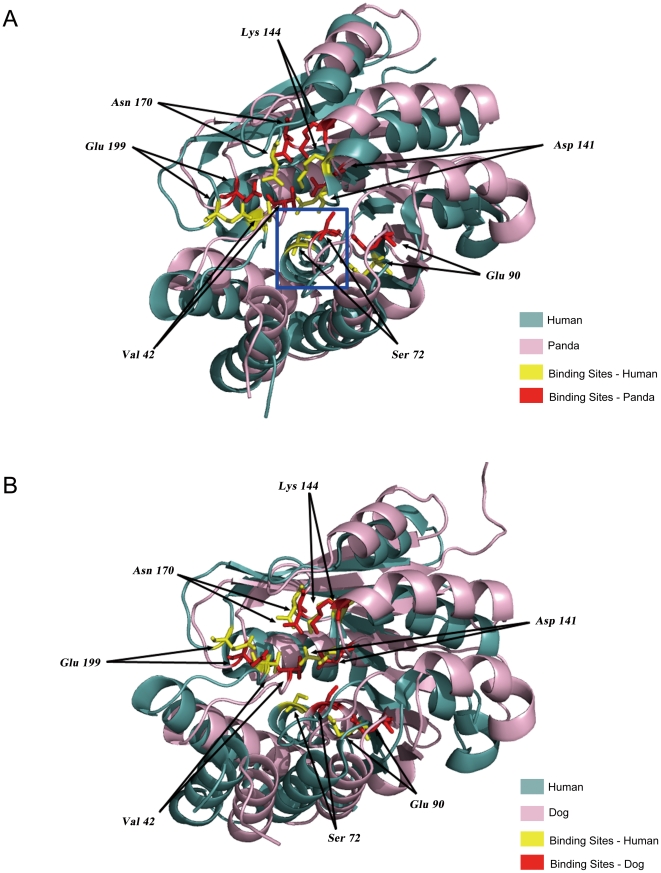
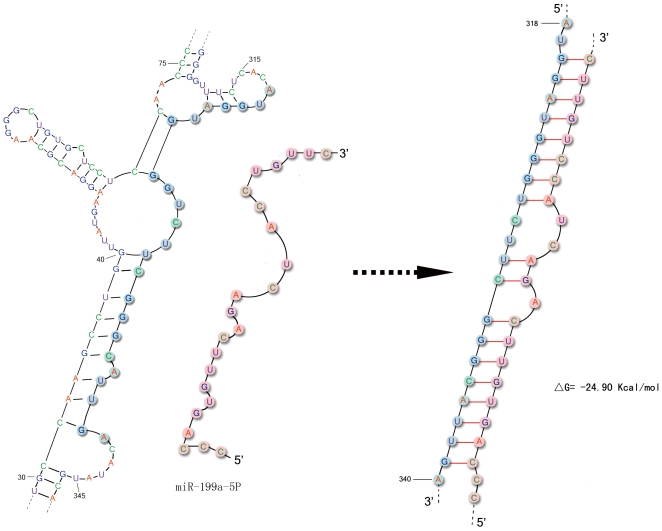
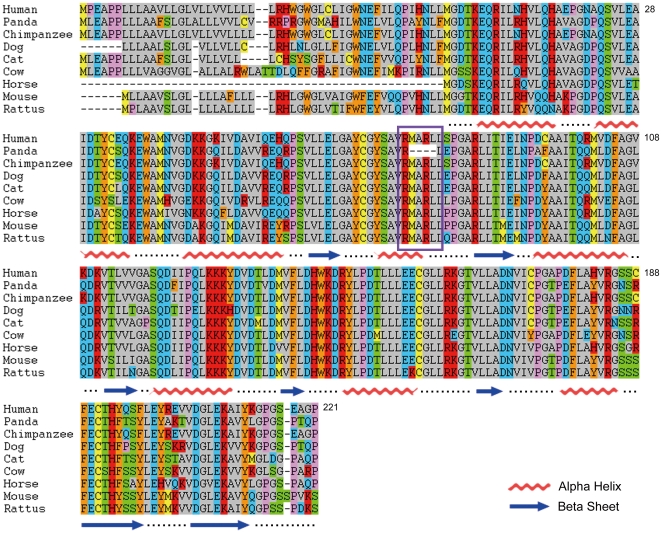
METHODOLOGY/PRINCIPAL FINDINGS: Since taste is part of the reward properties of food related to its energy and nutrition contents, we did a systematic analysis on those genes involved in the appetite-reward system for the giant panda. We extracted the giant panda sequence information for those genes and compared with the human sequence first and then with seven other species including chimpanzee, mouse, rat, dog, cat, horse, and cow. Orthologs in panda were further analyzed based on the coding region, Kozak consensus sequence, and potential microRNA binding of those genes.
CONCLUSIONS/SIGNIFICANCE: Our results revealed an interesting dopamine metabolic involvement in the panda's food choice. This finding suggests a new direction for molecular evolution studies behind the panda's dietary switch.
大熊猫的竹子饮食与食肉目其他物种的饮食不同。在其基因组测序项目中,鲜味味觉受体基因 T1R1 被鉴定为假基因,并使用不同的大熊猫样本进行了确认。该基因的估计突变时间约为 420 万年。这种突变与大熊猫的饮食变化相吻合,也强化了其食草生活方式。然而,由于该基因在牛和马等草食动物中得以保留,我们需要寻找大熊猫饮食转变背后的其他原因。
方法/主要发现:由于味觉是与食物能量和营养含量相关的奖励特性的一部分,我们对与大熊猫食欲奖励系统相关的基因进行了系统分析。我们提取了这些基因的大熊猫序列信息,并首先与人类序列进行比较,然后与包括黑猩猩、小鼠、大鼠、狗、猫、马和牛在内的其他 7 个物种进行比较。根据编码区、 Kozak 一致序列和这些基因的潜在 microRNA 结合,对大熊猫的同源基因进行了进一步分析。
结论/意义:我们的研究结果揭示了多巴胺代谢在大熊猫食物选择中的有趣作用。这一发现为研究大熊猫饮食转变背后的分子进化提供了新的方向。