Department of Radiology, University of Wisconsin-Madison, 1111 Highland Ave, Madison, WI 53705-2275, USA.
Curr Med Chem. 2011;18(27):4195-205. doi: 10.2174/092986711797189691.
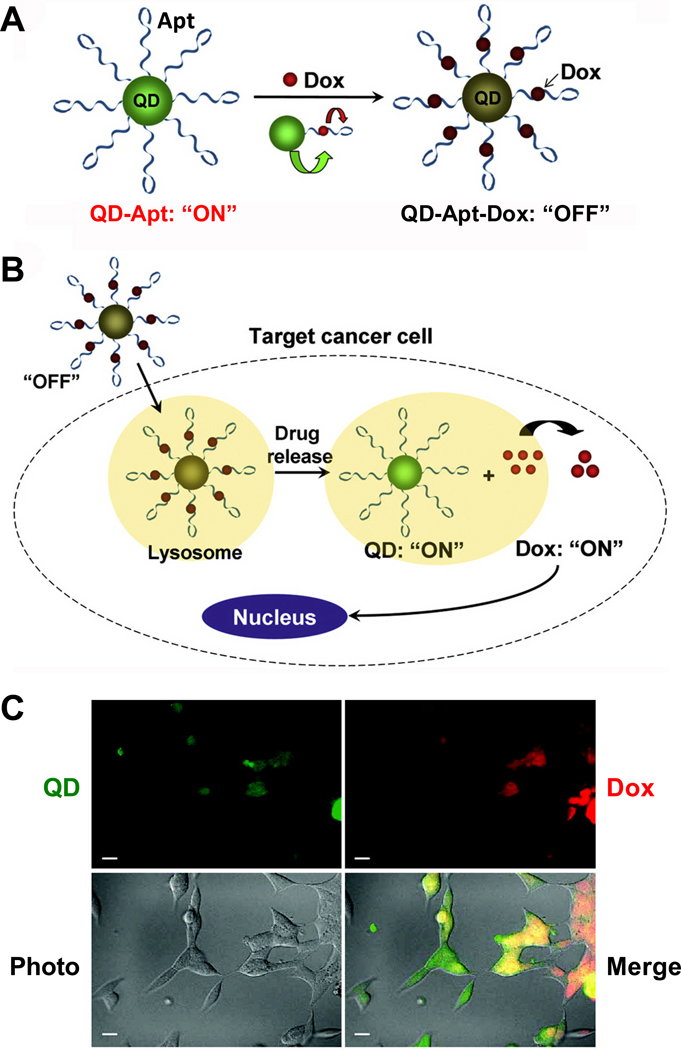
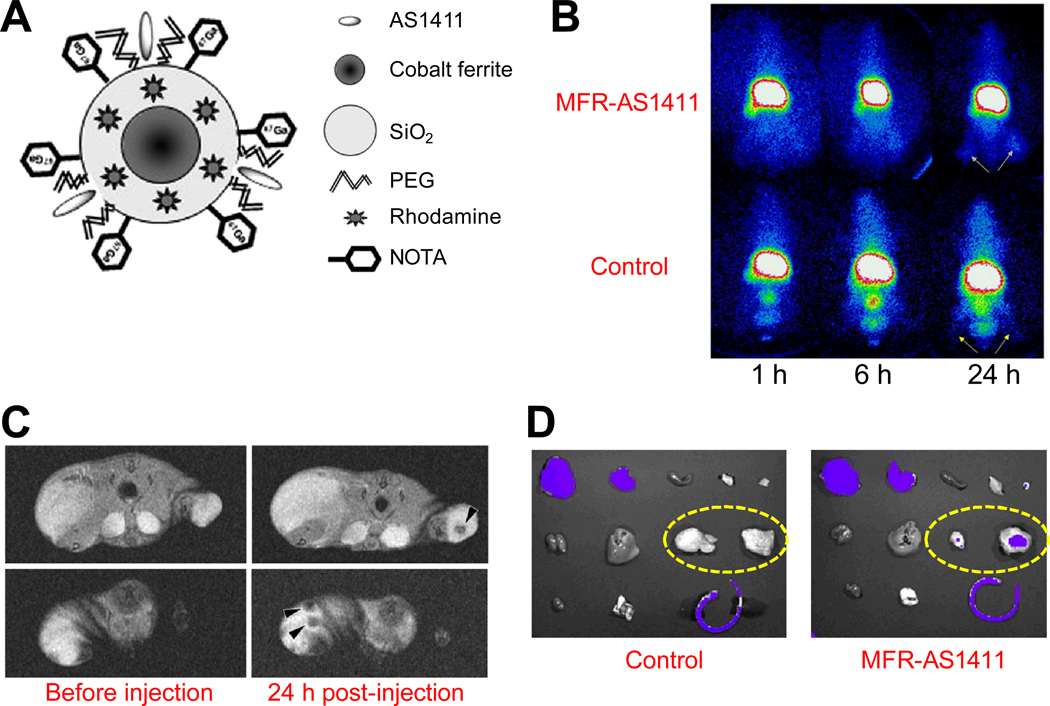
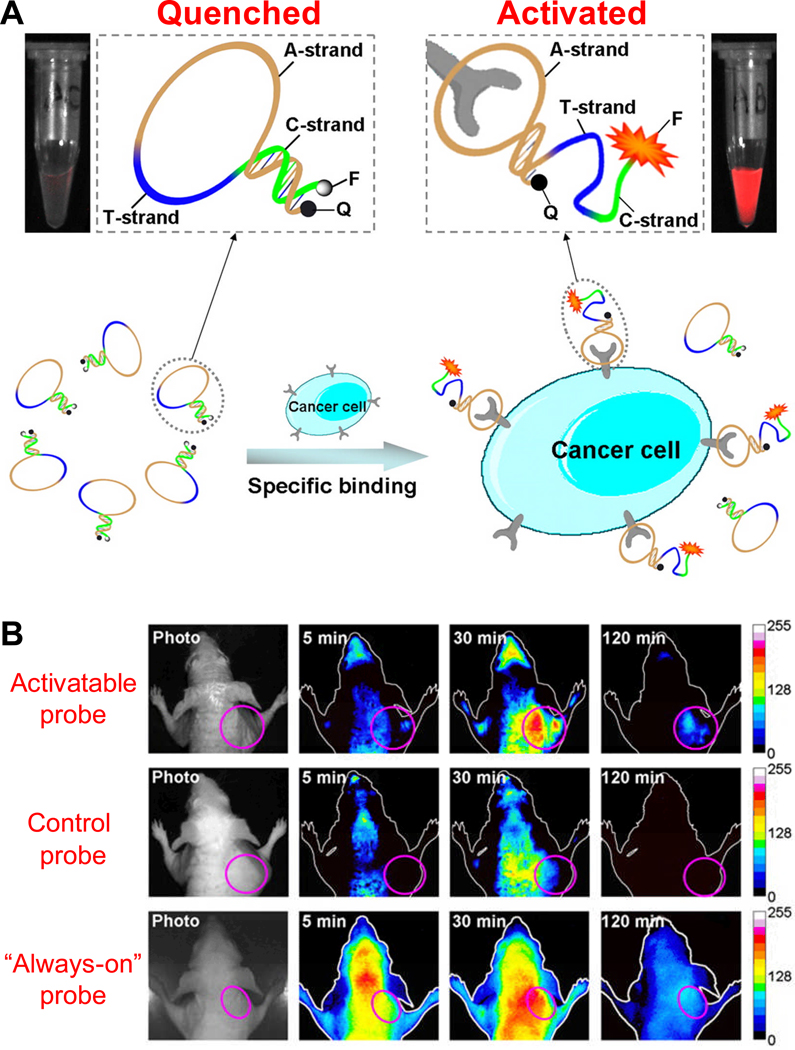
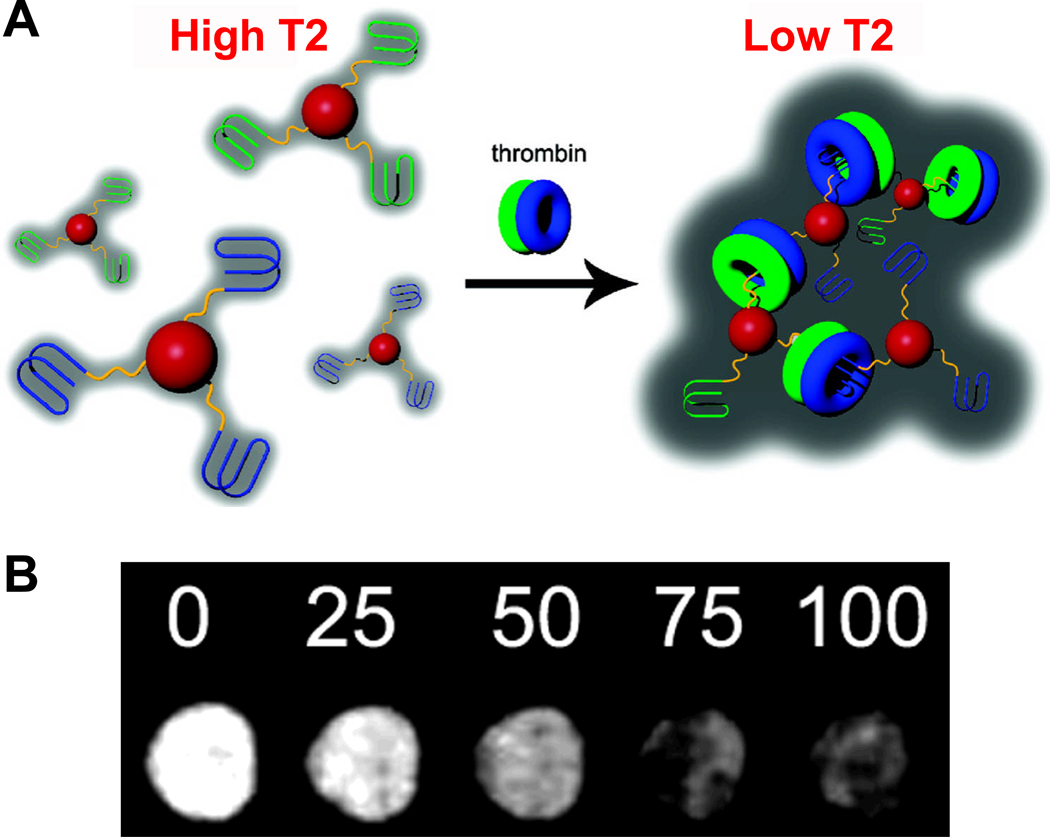
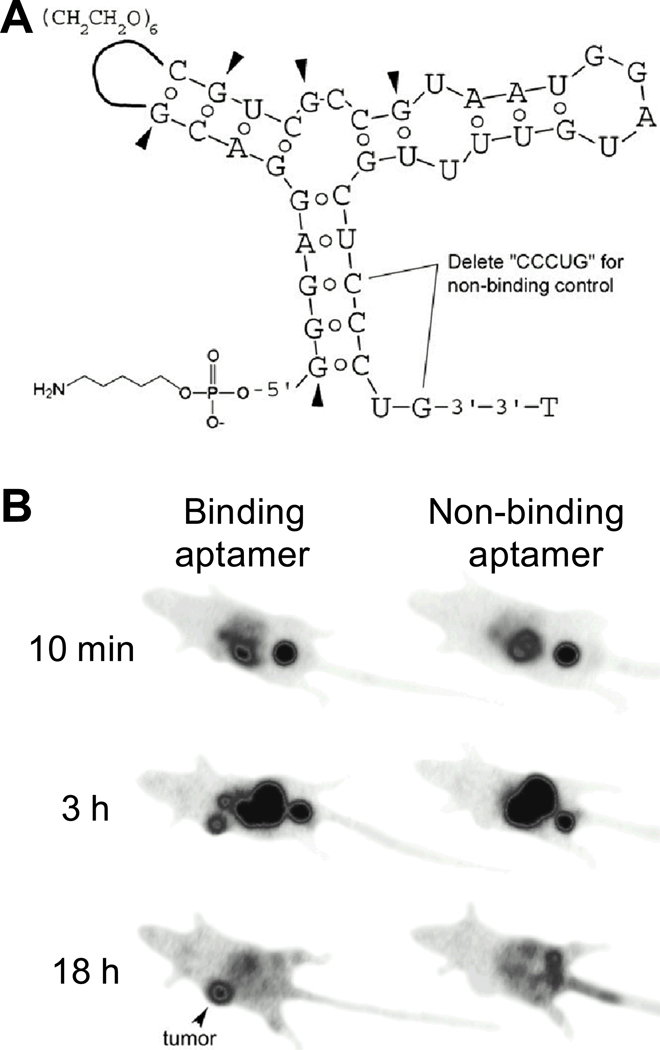
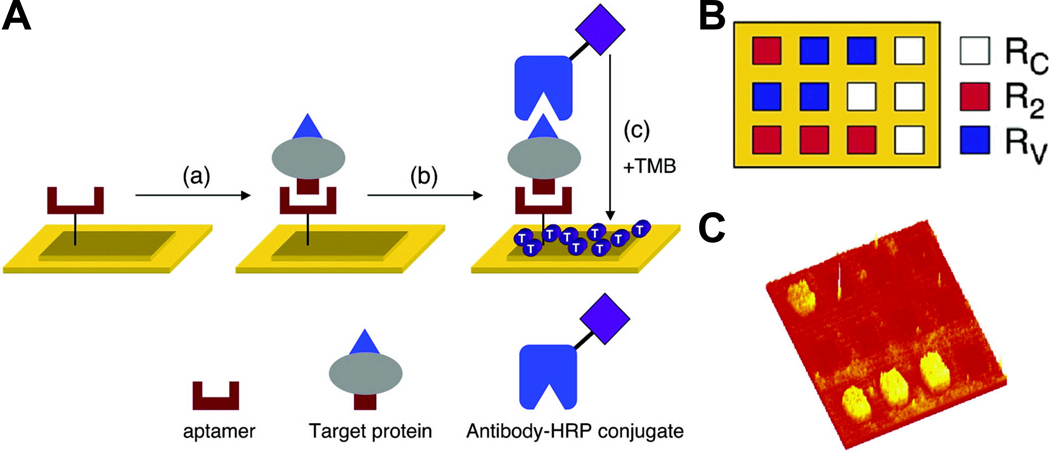
With many desirable properties such as ease of synthesis, small size, lack of immunogenicity, and versatile chemistry, aptamers represent a class of targeting ligands that possess tremendous potential in molecular imaging applications. Non-invasive imaging of various disease markers with aptamer-based probes has many potential clinical applications such as lesion detection, patient stratification, treatment monitoring, etc. In this review, we will summarize the current status of molecular imaging with aptamer-based probes. First, fluorescence imaging will be described which include both direct targeting and activatable probes. Next, we discuss molecular magnetic resonance imaging and targeted ultrasound investigations using aptamer-based agents. Radionuclide-based imaging techniques (single-photon emission computed tomography and positron emission tomography) will be summarized as well. In addition, aptamers have also been labeled with various tags for computed tomography, surface plasmon resonance, dark-field light scattering microscopy, transmission electron microscopy, and surface-enhanced Raman spectroscopy imaging. Among all molecular imaging modalities, no single modality is perfect and sufficient to obtain all the necessary information for a particular question. Thus, a multimodality probe has also been constructed for concurrent fluorescence, gamma camera, and magnetic resonance imaging in vivo. Although the future of aptamer-based molecular imaging is becoming increasingly bright and many proof-of-principle studies have already been reported, much future effort needs to be directed towards the development of clinically translatable aptamer-based imaging agents which will eventually benefit patients.
由于具有易于合成、体积小、免疫原性低和化学性质多样等诸多理想特性,适配体作为一类靶向配体,在分子成像应用中具有巨大的潜力。基于适配体的探针对各种疾病标志物进行非侵入性成像,具有许多潜在的临床应用,如病灶检测、患者分层、治疗监测等。在这篇综述中,我们将总结基于适配体的探针在分子成像中的应用现状。首先,我们将描述荧光成像,包括直接靶向和可激活探针。接下来,我们将讨论基于适配体的分子磁共振成像和靶向超声研究。基于放射性核素的成像技术(单光子发射计算机断层扫描和正电子发射断层扫描)也将进行总结。此外,适配体还被标记上各种标签,用于计算机断层扫描、表面等离子体共振、暗场光散射显微镜、透射电子显微镜和表面增强拉曼光谱成像。在所有的分子成像模式中,没有单一的模式是完美和足够的,可以获得特定问题所需的所有信息。因此,也构建了一种多模态探针,用于体内同时进行荧光、伽马相机和磁共振成像。尽管基于适配体的分子成像的未来越来越光明,并且已经有许多原理验证研究的报道,但仍需要投入大量的未来努力来开发可转化为临床应用的基于适配体的成像剂,最终使患者受益。