Centre for Vision and Vascular Science, Queen's University Belfast, Belfast, United Kingdom.
PLoS One. 2011;6(8):e22818. doi: 10.1371/journal.pone.0022818. Epub 2011 Aug 5.
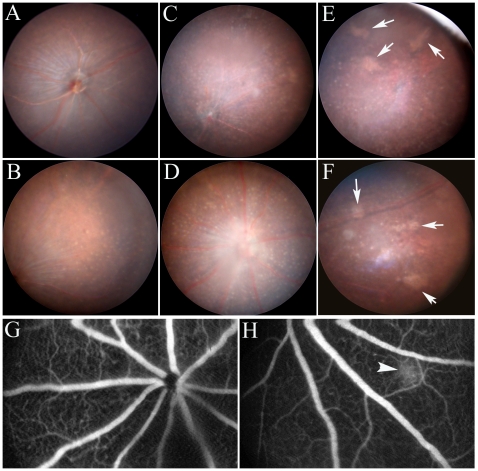
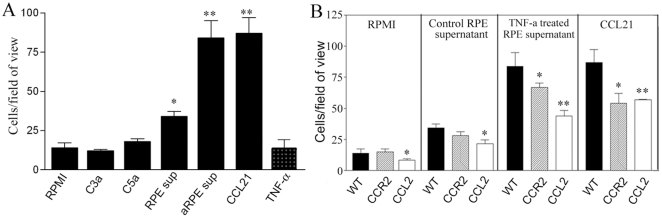
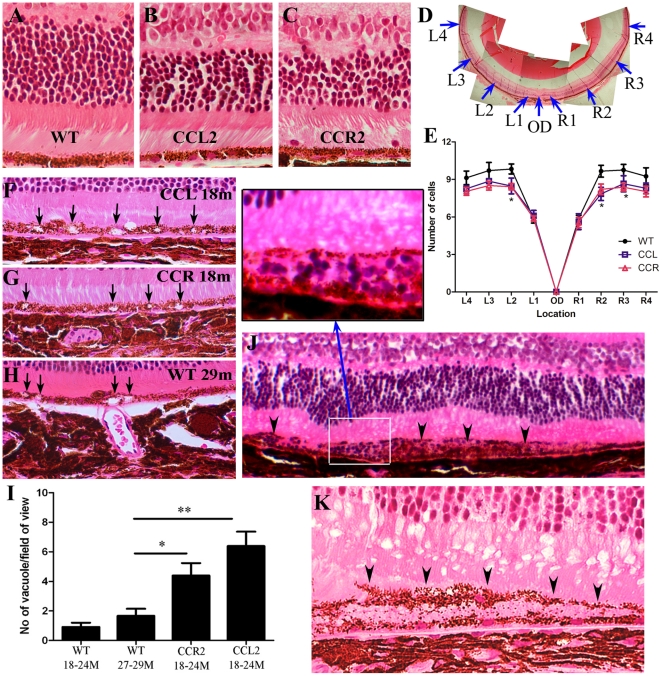
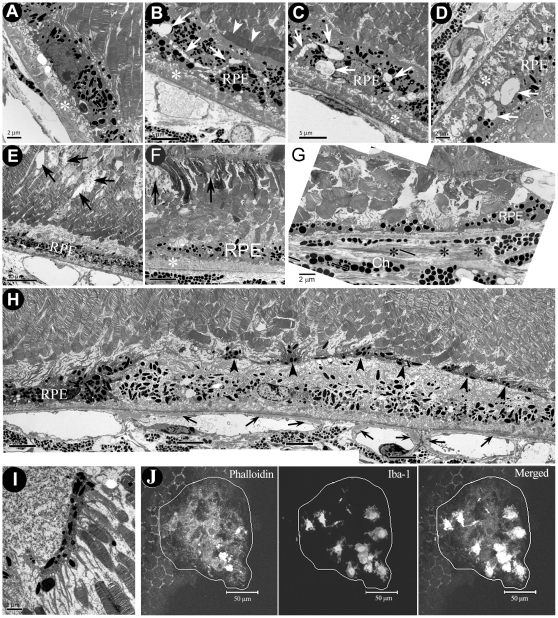
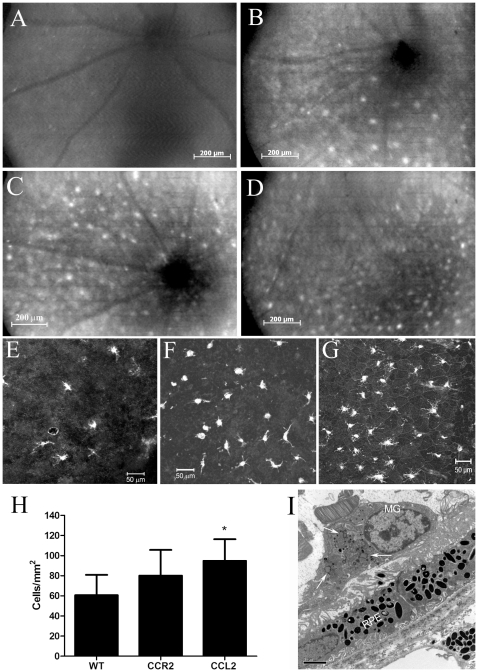
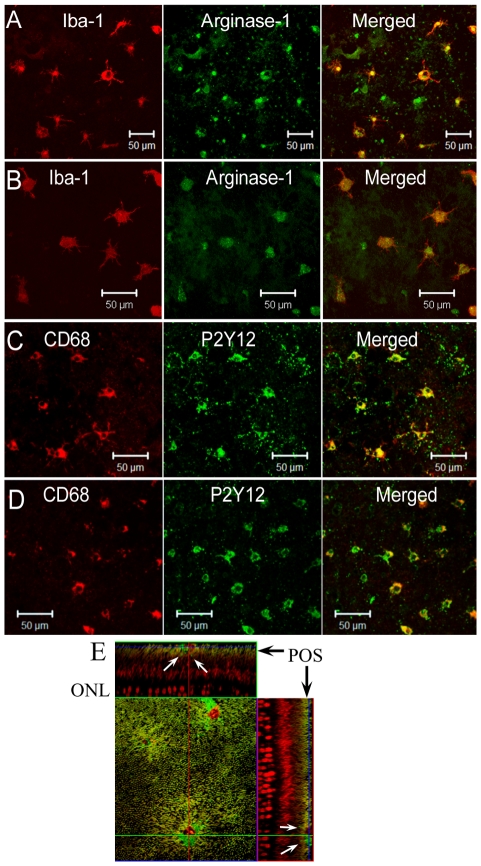
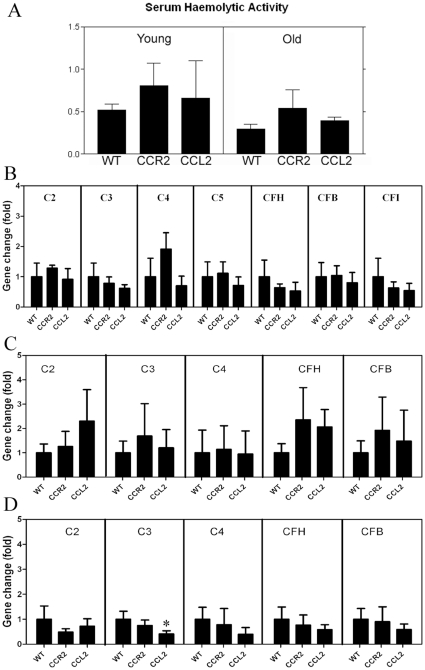
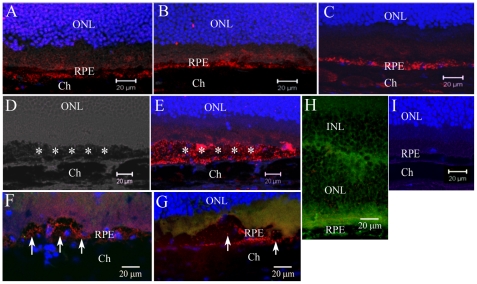
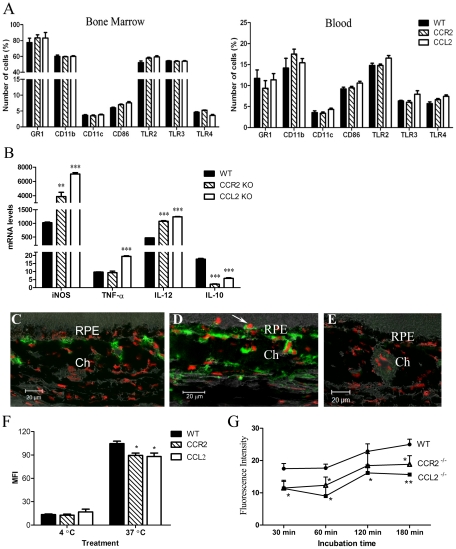
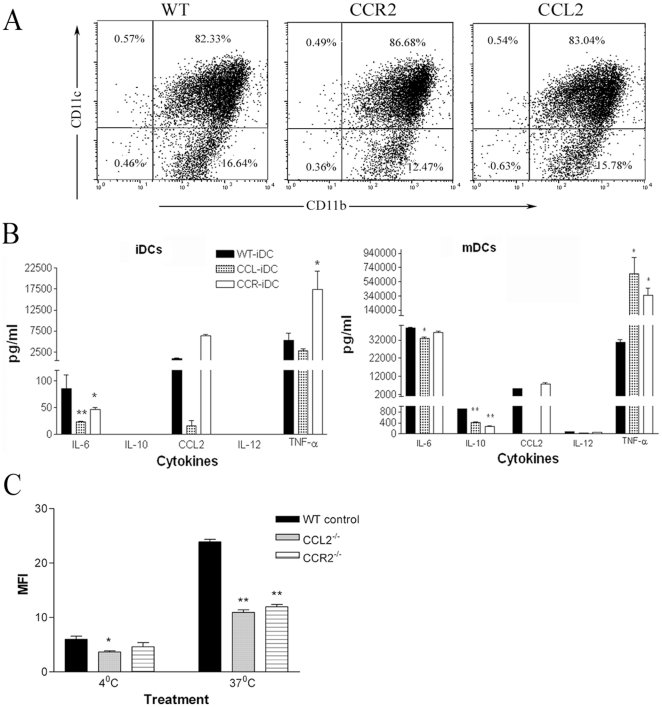
We have shown previously that a para-inflammatory response exists at the retinal/choroidal interface in the aging eye; and this response plays an important role in maintaining retinal homeostasis under chronic stress conditions. We hypothesized that dysregulation of the para-inflammatory response may result in an overt pro-inflammatory response inducing retinal degeneration. In this study, we examined this hypothesis in mice deficient in chemokine CCL2 or its cognate receptor CCR2. CCL2- or CCR2-deficient mice developed retinal degenerative changes with age, characterized as retinal pigment epithelial (RPE) cell and photoreceptor cell death. Retinal cell death was associated with significantly more subretinal microglial accumulation and increased complement activation. In addition, monocytes from CCL2- or CCR2-deficient mice had reduced capacity for phagocytosis and chemotaxis, expressed less IL-10 but more iNOS, IL-12 and TNF-α when compared to monocytes from WT mice. Complement activation at the site of RPE cell death resulted in C3b/C3d but not C5b-9 deposition, indicating only partial activation of the complement pathway. Our results suggest that altered monocyte functions may convert the protective para-inflammatory response into an overtly harmful inflammation at the retina/choroidal interface in CCL2- or CCR2-deficient mice, leading to RPE and photoreceptor degeneration. These data support a concept whereby a protective para-inflammatory response relies upon a normally functioning innate immune system. If the innate immune system is deficient chronic stress may tip the balance towards an overt inflammatory response causing cell/tissue damage.
我们之前已经证明,在衰老的眼睛中,视网膜/脉络膜界面存在一种副炎症反应;这种反应在慢性应激条件下维持视网膜内环境稳定中起着重要作用。我们假设副炎症反应的失调可能导致明显的前炎症反应,诱导视网膜变性。在这项研究中,我们在缺乏趋化因子 CCL2 或其同源受体 CCR2 的小鼠中检验了这一假说。CCL2-或 CCR2 缺陷型小鼠随着年龄的增长出现视网膜退行性变化,表现为视网膜色素上皮 (RPE)细胞和光感受器细胞死亡。视网膜细胞死亡与明显更多的视网膜下小胶质细胞积聚和补体激活增加有关。此外,与 WT 小鼠的单核细胞相比,CCL2-或 CCR2 缺陷型小鼠的单核细胞吞噬作用和趋化作用能力降低,表达的 IL-10 减少,但 iNOS、IL-12 和 TNF-α 增加。在 RPE 细胞死亡部位补体的激活导致 C3b/C3d 但不导致 C5b-9 沉积,表明补体途径仅部分激活。我们的结果表明,单核细胞功能的改变可能会将保护性副炎症反应转化为 CCL2-或 CCR2 缺陷型小鼠视网膜/脉络膜界面上明显有害的炎症,导致 RPE 和光感受器变性。这些数据支持这样一种概念,即保护性副炎症反应依赖于正常功能的固有免疫系统。如果固有免疫系统存在缺陷,慢性应激可能会使平衡向明显的炎症反应倾斜,导致细胞/组织损伤。