Department of Neurosurgery, Oslo University Hospital, Rikshospitalet, Oslo, Norway.
Biomed Eng Online. 2011 Aug 22;10:75. doi: 10.1186/1475-925X-10-75.
The monitoring of intracranial pressure (ICP) has a crucial role in the surveillance of patients with brain injury. During long-term monitoring of ICP, we have seen spontaneous shifts in baseline pressure (ICP sensor zero point), which are of technical and not physiological origin. The aim of the present study was to explore whether or not baseline pressures of ICP sensors can be affected by electrostatics discharges (ESD's), when ESD's are delivered at clinically relevant magnitudes.
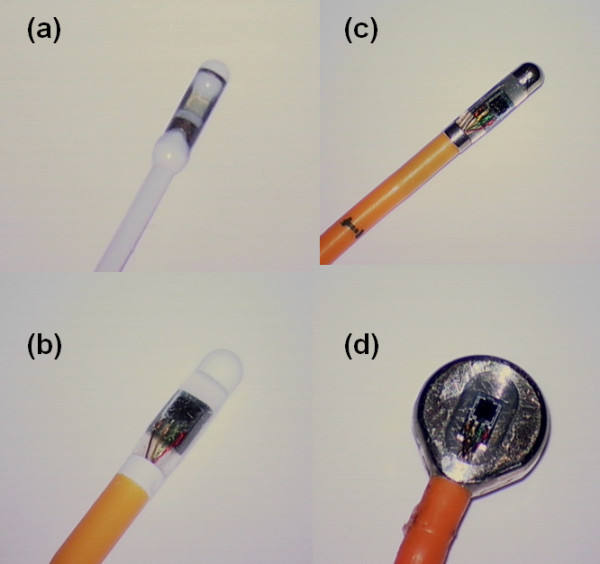
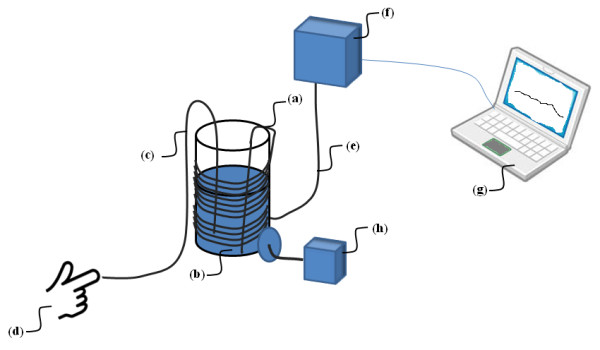
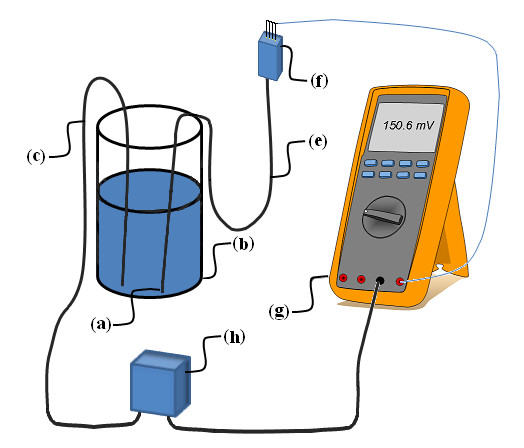
We performed bench-testing of a set of commercial ICP sensors. In our experimental setup, the ICP sensor was placed in a container with 0.9% NaCl solution. A test person was charged 0.5-10 kV, and then delivered ESD's to the sensor by touching a metal rod that was located in the container. The continuous pressure signals were recorded continuously before/after the ESD's, and the pressure readings were stored digitally using a computerized system
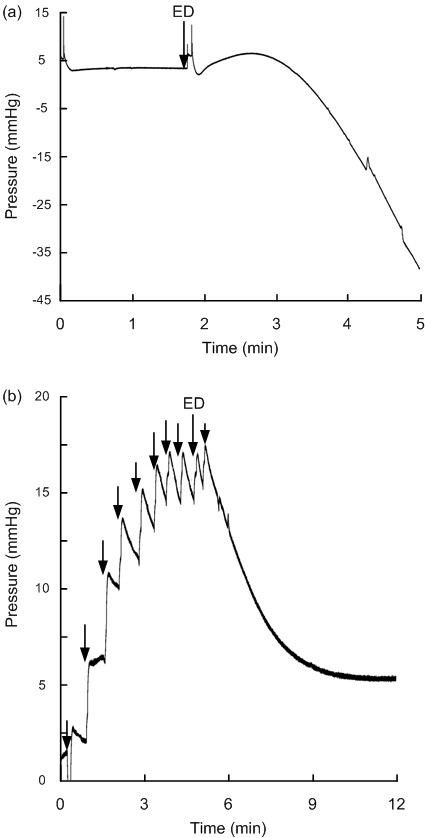
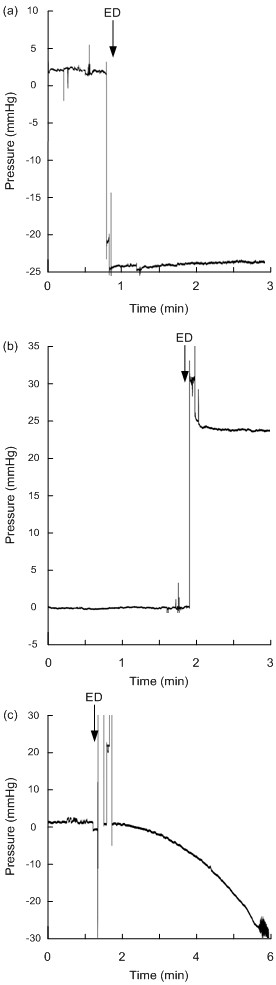
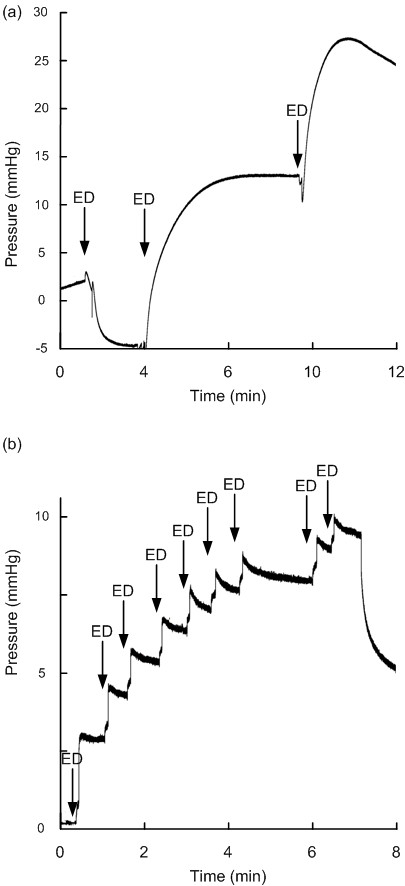
A total of 57 sensors were tested, including 25 Codman ICP sensors and 32 Raumedic sensors. When charging the test person in the range 0.5-10 kV, typically ESD's in the range 0.5-5 kV peak pulse were delivered to the ICP sensor. Alterations in baseline pressure ≥ 2 mmHg was seen in 24 of 25 (96%) Codman sensors and in 17 of 32 (53%) Raumedic sensors. Lasting changes in baseline pressure > 10 mmHg that in the clinical setting would affect patient management, were seen frequently for both sensor types. The changes in baseline pressure were either characterized by sudden shifts or gradual drifts in baseline pressure.
The baseline pressures of commercial solid ICP sensors can be altered by ESD's at discharge magnitudes that are clinically relevant. Shifts in baseline pressure change the ICP levels visualised to the physician on the monitor screen, and thereby reveal wrong ICP values, which likely represent a severe risk to the patient.
颅内压(ICP)监测在颅脑损伤患者的监测中起着至关重要的作用。在 ICP 的长期监测中,我们已经看到基线压力(ICP 传感器零点)会自发发生变化,这种变化不是生理性的,而是技术原因导致的。本研究旨在探讨当静电放电(ESD)达到临床相关强度时,ICP 传感器的基线压力是否会受到 ESD 的影响。
我们对一组商业 ICP 传感器进行了台架测试。在我们的实验设置中,将 ICP 传感器放置在装有 0.9%氯化钠溶液的容器中。测试人员被充电 0.5-10 kV,然后通过触摸位于容器中的金属棒将 ESD 传递到传感器。在 ESD 前后连续记录压力信号,并使用计算机化系统以数字方式存储压力读数。
共测试了 57 个传感器,包括 25 个 Codman ICP 传感器和 32 个 Raumedic 传感器。当测试人员在 0.5-10 kV 范围内充电时,通常会向 ICP 传感器传递 0.5-5 kV 峰值脉冲的 ESD。在 25 个 Codman 传感器中的 24 个(96%)和 32 个 Raumedic 传感器中的 17 个(53%)中,观察到基线压力≥2mmHg 的变化。在临床环境中会影响患者管理的持续超过 10mmHg 的基线压力变化,在两种传感器类型中都经常出现。基线压力的变化要么表现为基线压力的突然变化,要么表现为基线压力的逐渐漂移。
商业固体 ICP 传感器的基线压力会因临床相关放电强度的 ESD 而发生变化。基线压力的变化会改变医生在监控屏幕上看到的 ICP 水平,从而显示错误的 ICP 值,这可能对患者构成严重风险。