Castoe Todd A, Fox Samuel E, Jason de Koning Ap, Poole Alexander W, Daza Juan M, Smith Eric N, Mockler Todd C, Secor Stephen M, Pollock David D
Department of Biochemistry and Molecular Genetics, University of Colorado School of Medicine, Aurora, CO 80045 USA.
BMC Res Notes. 2011 Aug 25;4:310. doi: 10.1186/1756-0500-4-310.
Snakes provide a unique vertebrate system for studying a diversity of extreme adaptations, including those related to development, metabolism, physiology, and venom. Despite their importance as research models, genomic resources for snakes are few. Among snakes, the Burmese python is the premier model for studying extremes of metabolic fluctuation and physiological remodelling. In this species, the consumption of large infrequent meals can induce a 40-fold increase in metabolic rate and more than a doubling in size of some organs. To provide a foundation for research utilizing the python, our aim was to assemble and annotate a transcriptome reference from the heart and liver. To accomplish this aim, we used the 454-FLX sequencing platform to collect sequence data from multiple cDNA libraries.
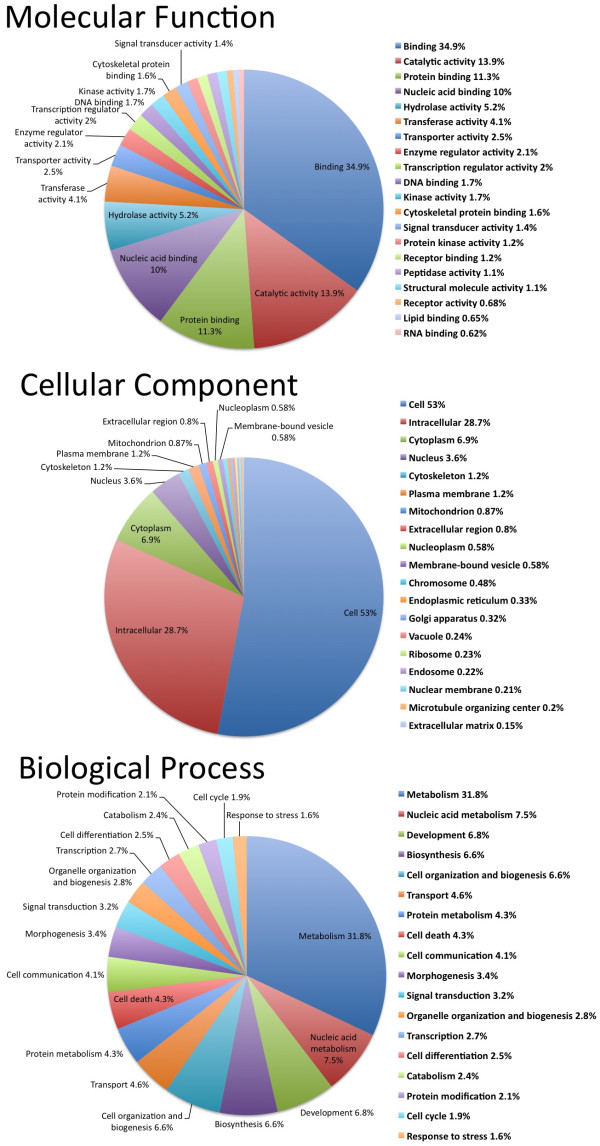
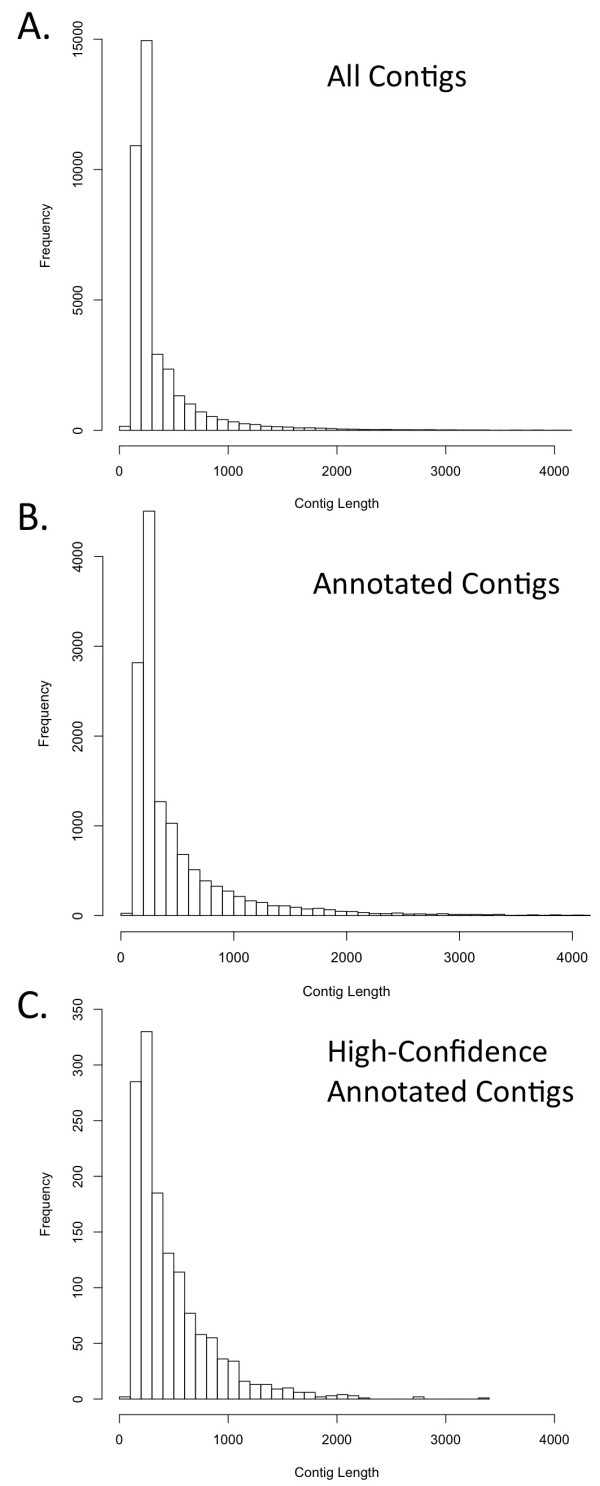
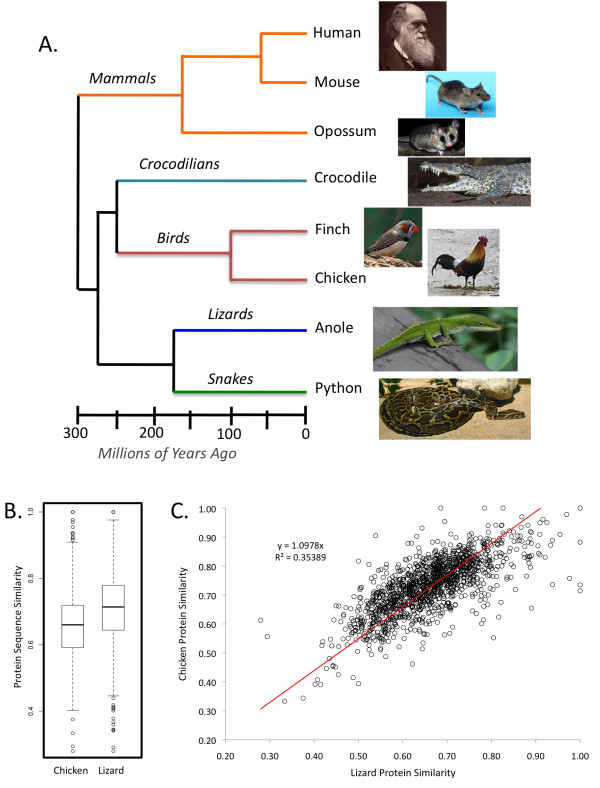
We collected nearly 1 million 454 sequence reads, and assembled these into 37,245 contigs with a combined length of 13,409,006 bp. To identify known genes, these contigs were compared to chicken and lizard gene sets, and to all Genbank sequences. A total of 13,286 of these contigs were annotated based on similarity to known genes or Genbank sequences. We used gene ontology (GO) assignments to characterize the types of genes in this transcriptome resource. The raw data, transcript contig assembly, and transcript annotations are made available online for use by the broader research community.
These data should facilitate future studies using pythons and snakes in general, helping to further contribute to the utilization of snakes as a model evolutionary and physiological system. This sequence collection represents a major genomic resource for the Burmese python, and the large number of transcript sequences characterized should contribute to future research in this and other snake species.
蛇类提供了一个独特的脊椎动物系统,用于研究各种极端适应性,包括与发育、代谢、生理学和毒液相关的适应性。尽管蛇类作为研究模型很重要,但蛇类的基因组资源却很少。在蛇类中,缅甸蟒是研究代谢波动极端情况和生理重塑的主要模型。在这个物种中,不频繁地摄入大量食物可导致代谢率增加40倍,一些器官的大小增加一倍多。为了为利用缅甸蟒进行研究奠定基础,我们的目标是组装并注释来自心脏和肝脏的转录组参考序列。为实现这一目标,我们使用454-FLX测序平台从多个cDNA文库收集序列数据。
我们收集了近100万个454序列读数,并将其组装成37245个重叠群,总长度为13409006 bp。为了鉴定已知基因,将这些重叠群与鸡和蜥蜴的基因集以及所有Genbank序列进行比较。其中共有13286个重叠群根据与已知基因或Genbank序列的相似性进行了注释。我们使用基因本体(GO)注释来表征该转录组资源中的基因类型。原始数据、转录本重叠群组装和转录本注释可在线获取,供更广泛的研究群体使用。
这些数据应有助于未来一般使用缅甸蟒和蛇类的研究,有助于进一步推动将蛇类用作进化和生理系统模型。这个序列集合代表了缅甸蟒的一个主要基因组资源,大量已表征的转录本序列应有助于该物种及其他蛇类物种的未来研究。