Department of Chemistry and Biochemistry, Faculty of Agronomy, Mendel University in Brno, Zemedelska 1, CZ-613 00 Brno, Czech Republic.
Molecules. 2011 Sep 1;16(9):7428-57. doi: 10.3390/molecules16097428.
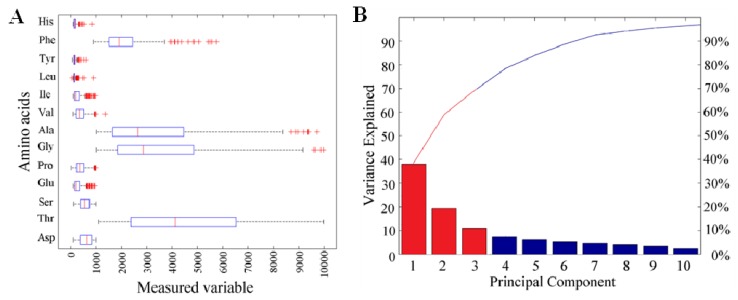
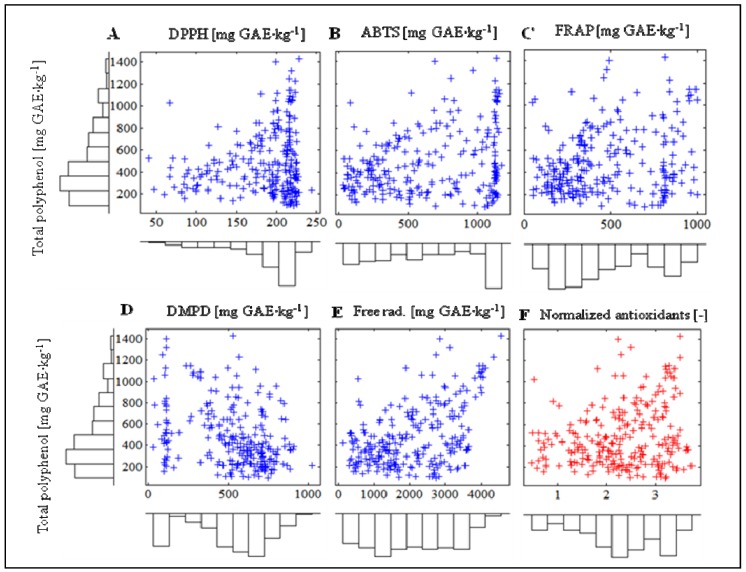
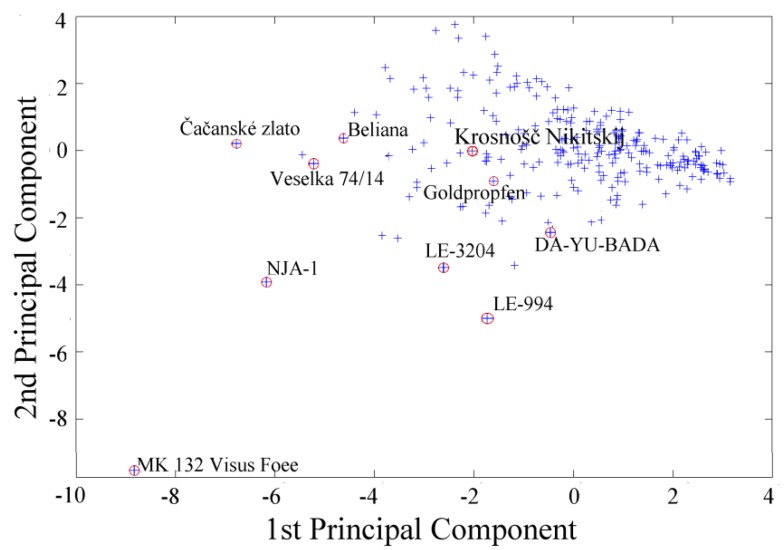
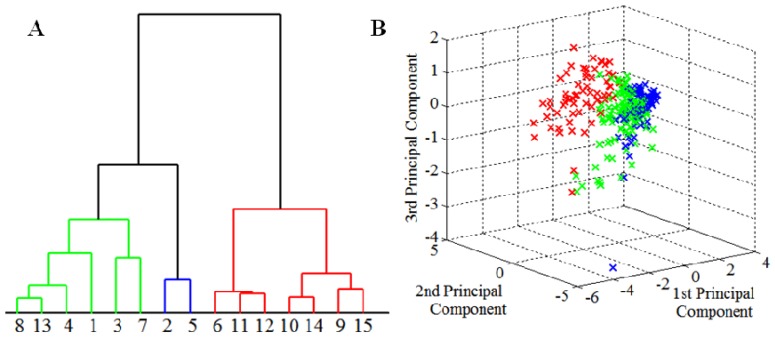
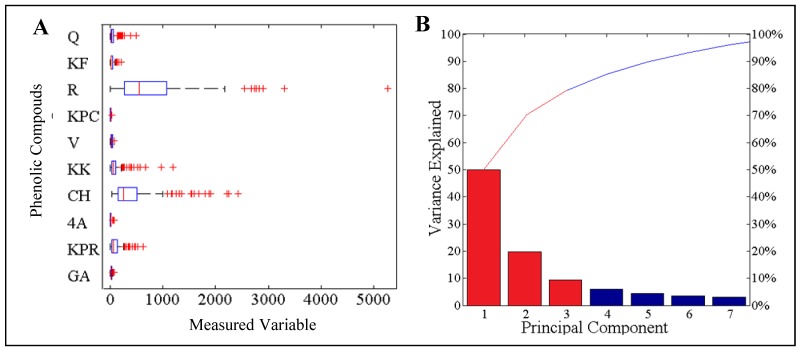
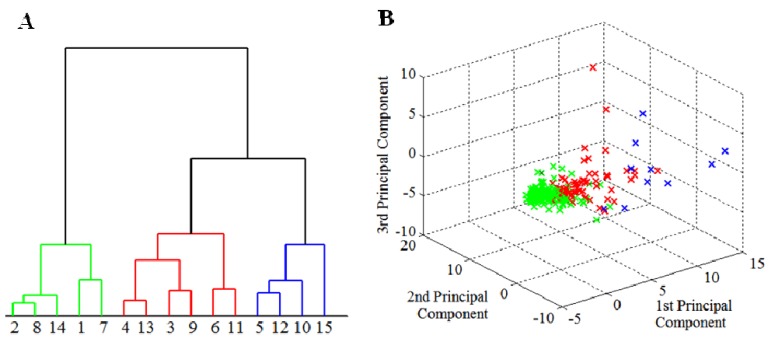
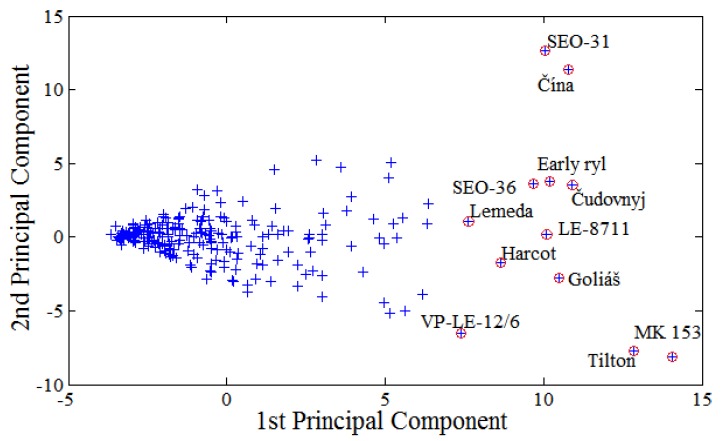
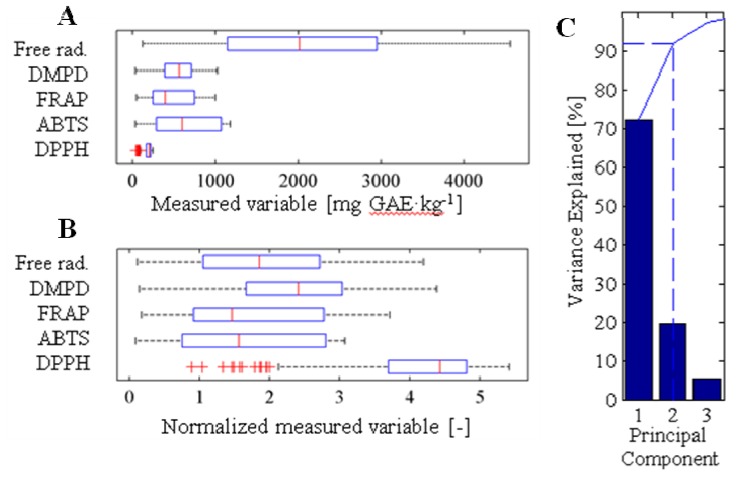
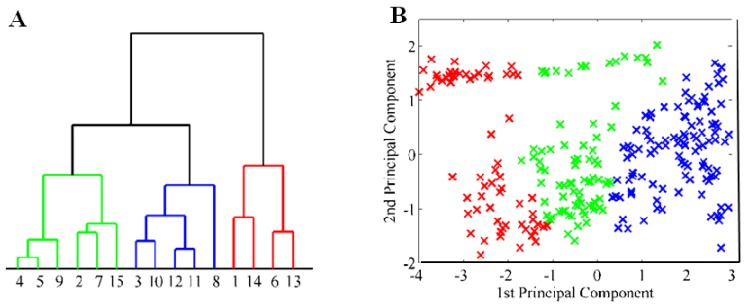
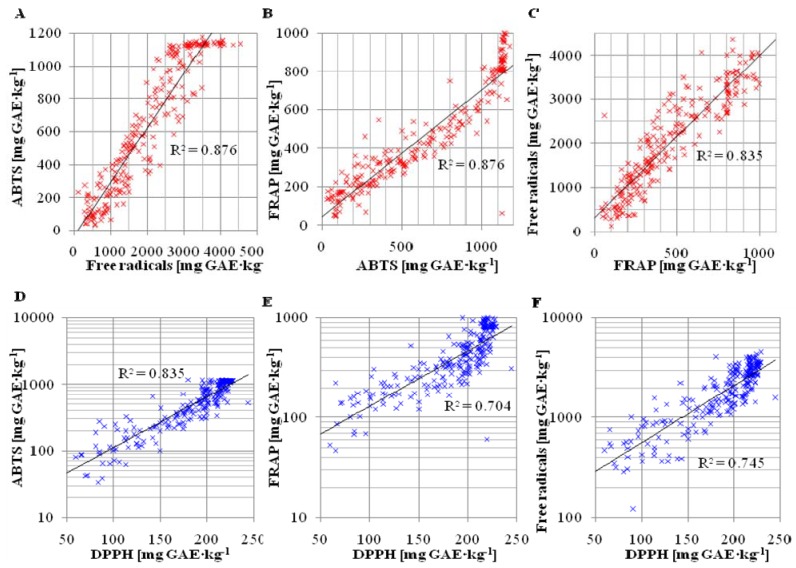
Functional foods are of interest because of their significant effects on human health, which can be connected with the presence of some biologically important compounds. In this study, we carried out complex analysis of 239 apricot cultivars (Prunus armeniaca L.) cultivated in Lednice (climatic area T4), South Moravia, Czech Republic. Almost all previously published studies have focused only on analysis of certain parameters. However, we focused on detection both primary and secondary metabolites in a selection of apricot cultivars with respect to their biological activity. The contents of thirteen biogenic alpha-L-amino acids (arginine, asparagine, isoleucine, lysine, serine, threonine, valine, leucine, phenylalanine, tryptophan, tyrosine, proline and alanine) were determined using ion exchange chromatography with UV-Vis spectrometry detection. Profile of polyphenols, measured as content of ten polyphenols with significant antioxidant properties (gallic acid, procatechinic acid, p-aminobenzoic acid, chlorogenic acid, caffeic acid, vanillin, p-coumaric acid, rutin, ferrulic acid and quercetrin), was determined by high performance liquid chromatography with spectrometric/electrochemical detection. Moreover, content of total phenolics was determined spectrophotometrically using the Folin-Ciocalteu method. Antioxidant activity was determined using five independent spectrophotometric methods: DPPH assay, DMPD method, ABTS method, FRAP and Free Radicals methods. Considering the complexity of the obtained data, they were processed and correlated using bioinformatics techniques (cluster analysis, principal component analysis). The studied apricot cultivars were clustered according to their common biochemical properties, which has not been done before. The observed similarities and differences were discussed.
功能性食品因其对人类健康的显著影响而受到关注,这与某些具有重要生物学意义的化合物的存在有关。在这项研究中,我们对 239 个在 Lednice(捷克共和国南摩拉维亚 T4 气候区)种植的杏品种(Prunus armeniaca L.)进行了综合分析。几乎所有以前的研究都只关注于分析某些参数。然而,我们专注于检测杏品种中的初级和次级代谢物,同时考虑到它们的生物活性。使用离子交换色谱法和 UV-Vis 光谱检测法测定了 13 种生物源α-L-氨基酸(精氨酸、天冬酰胺、异亮氨酸、赖氨酸、丝氨酸、苏氨酸、缬氨酸、亮氨酸、苯丙氨酸、色氨酸、酪氨酸、脯氨酸和丙氨酸)的含量。采用高效液相色谱法和光谱/电化学检测法测定了十种具有显著抗氧化性能的多酚(没食子酸、原儿茶酸、对氨基苯甲酸、绿原酸、咖啡酸、香草醛、对香豆酸、芦丁、阿魏酸和槲皮苷)的含量。此外,采用 Folin-Ciocalteu 法分光光度法测定总酚含量。采用五种独立的分光光度法测定抗氧化活性:DPPH 法、DMPD 法、ABTS 法、FRAP 和自由基法。考虑到获得的数据的复杂性,使用生物信息学技术(聚类分析、主成分分析)对其进行了处理和关联。根据其共同的生化特性对研究的杏品种进行了聚类,这在以前从未做过。讨论了观察到的相似性和差异。