Division of Endocrinology and Metabolism, Johns Hopkins University, 1830 East Monument Street, Baltimore, MD 21287, USA.
Nat Rev Endocrinol. 2011 Sep 20;8(1):11-21. doi: 10.1038/nrendo.2011.151.
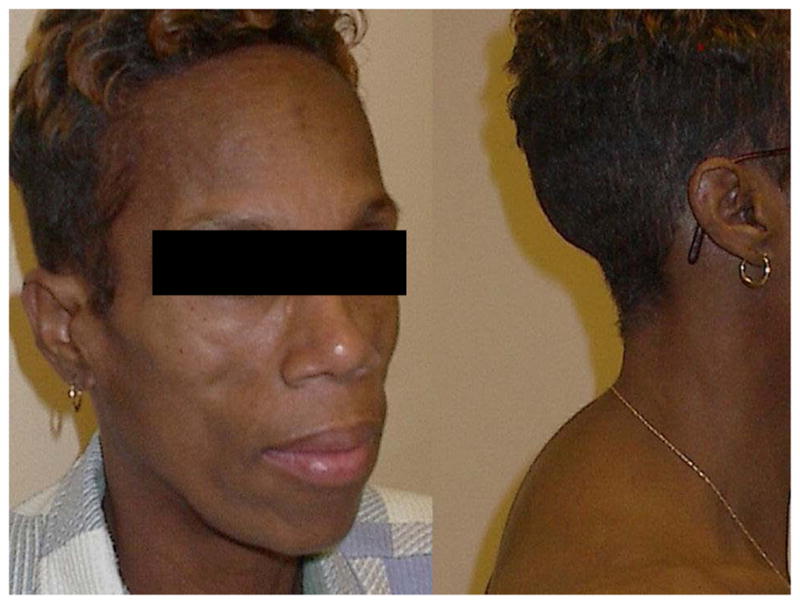
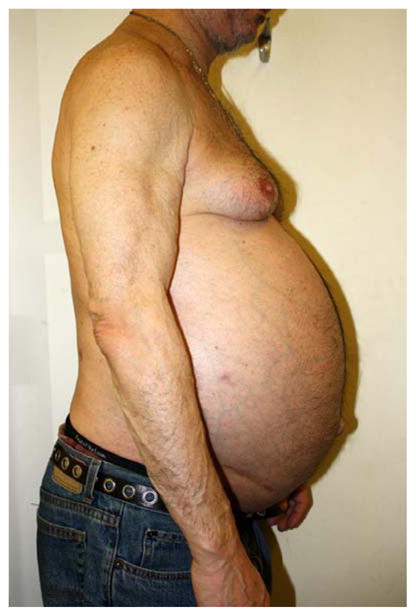
Morphologic and metabolic abnormalities, including subcutaneous adipose tissue wasting, central adipose tissue accumulation, dyslipidemia and disorders of glucose metabolism are common among HIV-infected patients receiving highly active antiretroviral therapy (HAART) and contribute to the risk of cardiovascular disease in this population. The pathogenesis of these disorders is due to complicated interactions between effects of chronic HIV infection, HAART medications and patient factors, including genetic susceptibility. HAART has transformed HIV into a chronic condition for many patients and as a result the majority of HIV-infected patients in many areas of the developed world will soon be aged ≥50 years. Given that metabolic and cardiovascular diseases increase with aging, knowledge of the optimal management of these conditions is essential for practitioners caring for HIV-infected patients, including endocrine subspecialists. This Review highlights the clinical management of these disorders, focusing on the latest evidence regarding the efficacy of treatment strategies, newly available medications and potential interactions between HAART medications and medications used to treat metabolic disorders.
形态和代谢异常,包括皮下脂肪组织消耗、中心脂肪组织堆积、血脂异常和葡萄糖代谢紊乱,在接受高效抗逆转录病毒治疗 (HAART) 的 HIV 感染患者中很常见,这增加了该人群患心血管疾病的风险。这些疾病的发病机制是由于慢性 HIV 感染、HAART 药物和患者因素(包括遗传易感性)之间复杂的相互作用。HAART 已经使许多患者的 HIV 成为一种慢性疾病,因此,在发达国家的许多地区,大多数 HIV 感染患者很快将年满 50 岁。鉴于代谢和心血管疾病随着年龄的增长而增加,了解这些疾病的最佳管理方法对于照顾 HIV 感染患者的医生至关重要,包括内分泌亚专科医生。这篇综述强调了这些疾病的临床管理,重点介绍了关于治疗策略疗效、新可用药物以及 HAART 药物与治疗代谢紊乱药物之间潜在相互作用的最新证据。