Department of Biostatistics, Boston University School of Public Health, Boston, Massachusetts, United States of America.
PLoS Genet. 2011 Sep;7(9):e1002264. doi: 10.1371/journal.pgen.1002264. Epub 2011 Sep 8.
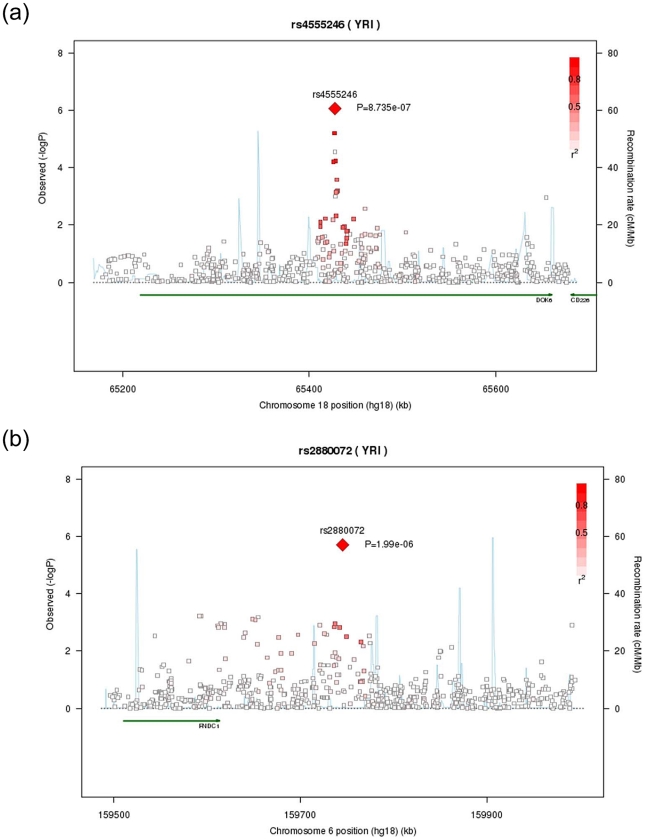
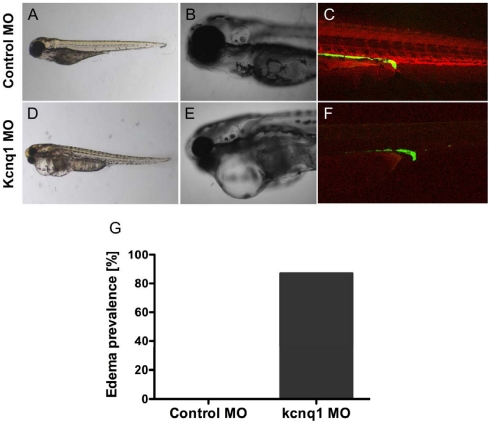
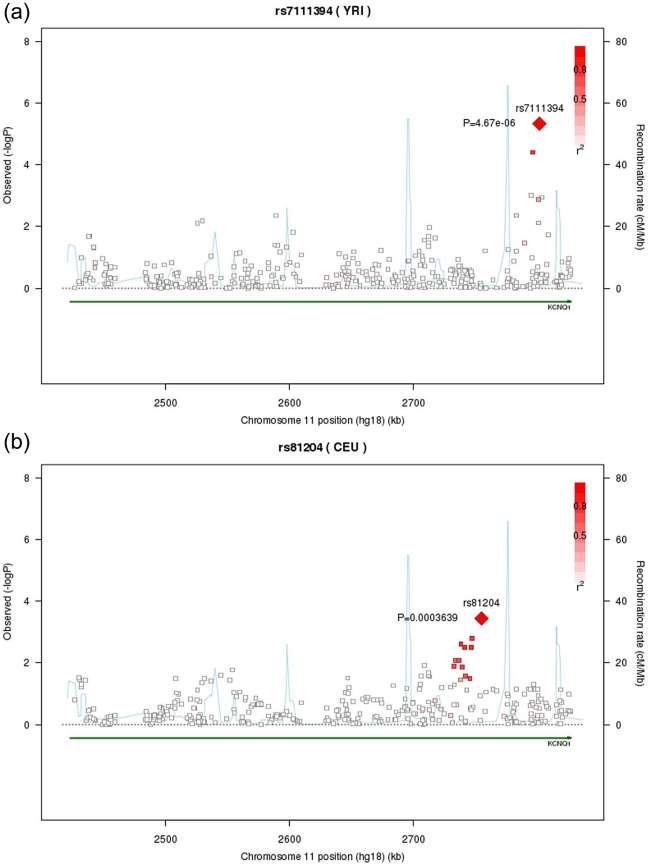
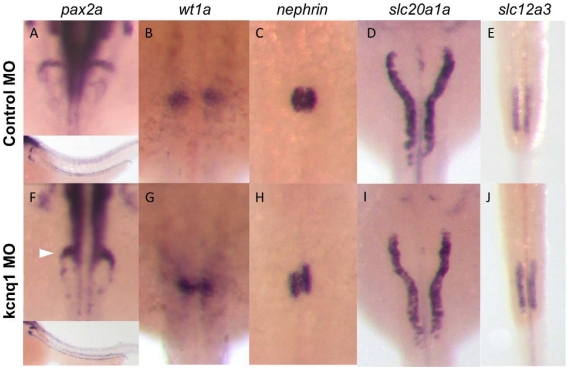
Chronic kidney disease (CKD) is an increasing global public health concern, particularly among populations of African ancestry. We performed an interrogation of known renal loci, genome-wide association (GWA), and IBC candidate-gene SNP association analyses in African Americans from the CARe Renal Consortium. In up to 8,110 participants, we performed meta-analyses of GWA and IBC array data for estimated glomerular filtration rate (eGFR), CKD (eGFR <60 mL/min/1.73 m(2)), urinary albumin-to-creatinine ratio (UACR), and microalbuminuria (UACR >30 mg/g) and interrogated the 250 kb flanking region around 24 SNPs previously identified in European Ancestry renal GWAS analyses. Findings were replicated in up to 4,358 African Americans. To assess function, individually identified genes were knocked down in zebrafish embryos by morpholino antisense oligonucleotides. Expression of kidney-specific genes was assessed by in situ hybridization, and glomerular filtration was evaluated by dextran clearance. Overall, 23 of 24 previously identified SNPs had direction-consistent associations with eGFR in African Americans, 2 of which achieved nominal significance (UMOD, PIP5K1B). Interrogation of the flanking regions uncovered 24 new index SNPs in African Americans, 12 of which were replicated (UMOD, ANXA9, GCKR, TFDP2, DAB2, VEGFA, ATXN2, GATM, SLC22A2, TMEM60, SLC6A13, and BCAS3). In addition, we identified 3 suggestive loci at DOK6 (p-value = 5.3×10(-7)) and FNDC1 (p-value = 3.0×10(-7)) for UACR, and KCNQ1 with eGFR (p = 3.6×10(-6)). Morpholino knockdown of kcnq1 in the zebrafish resulted in abnormal kidney development and filtration capacity. We identified several SNPs in association with eGFR in African Ancestry individuals, as well as 3 suggestive loci for UACR and eGFR. Functional genetic studies support a role for kcnq1 in glomerular development in zebrafish.
慢性肾脏病(CKD)是一个日益严重的全球公共卫生问题,尤其是在非洲裔人群中。我们对来自 CARe 肾脏联盟的非裔美国人进行了已知肾脏基因座、全基因组关联(GWA)和 IBC 候选基因 SNP 关联分析的研究。在多达 8110 名参与者中,我们对 GWA 和 IBC 数组数据进行了荟萃分析,以评估肾小球滤过率(eGFR)、CKD(eGFR <60 mL/min/1.73 m²)、尿白蛋白与肌酐比值(UACR)和微量白蛋白尿(UACR >30 mg/g),并研究了先前在欧洲血统肾脏 GWAS 分析中确定的 24 个 SNP 周围 250 kb 侧翼区域。在多达 4358 名非裔美国人中进行了复制。为了评估功能,我们通过形态发生素反义寡核苷酸在斑马鱼胚胎中单独敲低了个别鉴定的基因。通过原位杂交评估肾脏特异性基因的表达,通过葡聚糖清除评估肾小球滤过率。总的来说,在非裔美国人中,24 个先前确定的 SNP 中有 23 个与 eGFR 具有一致的方向关联,其中 2 个达到了名义显著性(UMOD,PIP5K1B)。侧翼区域的研究发现了 24 个新的非裔美国人索引 SNP,其中 12 个得到了复制(UMOD,ANXA9,GCKR,TFDP2,DAB2,VEGFA,ATXN2,GATM,SLC22A2,TMEM60,SLC6A13 和 BCAS3)。此外,我们还在 DOK6(p 值=5.3×10(-7))和 FNDC1(p 值=3.0×10(-7)) 发现了与 UACR 相关的 3 个提示性位点,以及与 eGFR 相关的 KCNQ1 位点(p=3.6×10(-6))。在斑马鱼中,kcnq1 的形态发生素敲低导致肾脏发育和过滤能力异常。我们在非洲裔个体中发现了与 eGFR 相关的几个 SNP,以及与 UACR 和 eGFR 相关的 3 个提示性位点。功能遗传研究支持 kcnq1 在斑马鱼肾小球发育中的作用。