Department of Microbiological Surveillance and Research, Statens Serum Institut, Denmark.
Cell Microbiol. 2012 Jan;14(1):120-32. doi: 10.1111/j.1462-5822.2011.01706.x. Epub 2011 Oct 27.
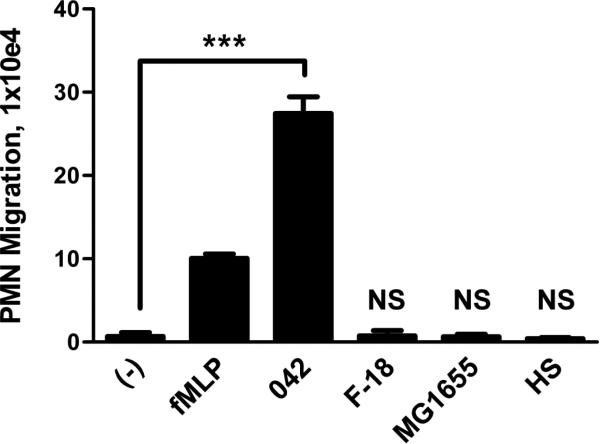
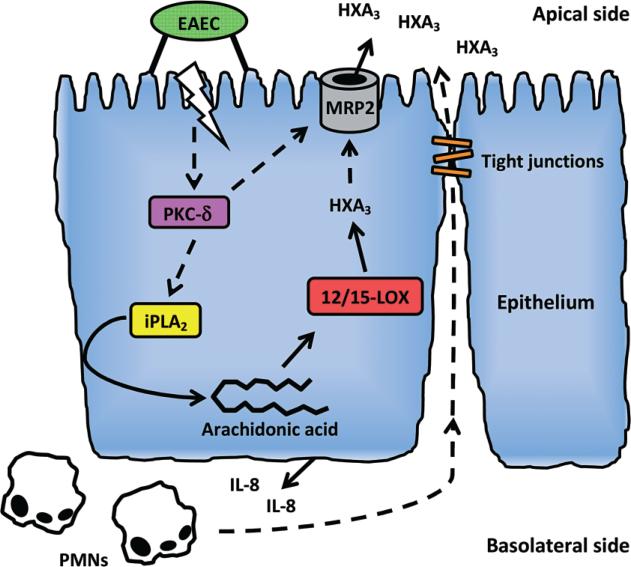
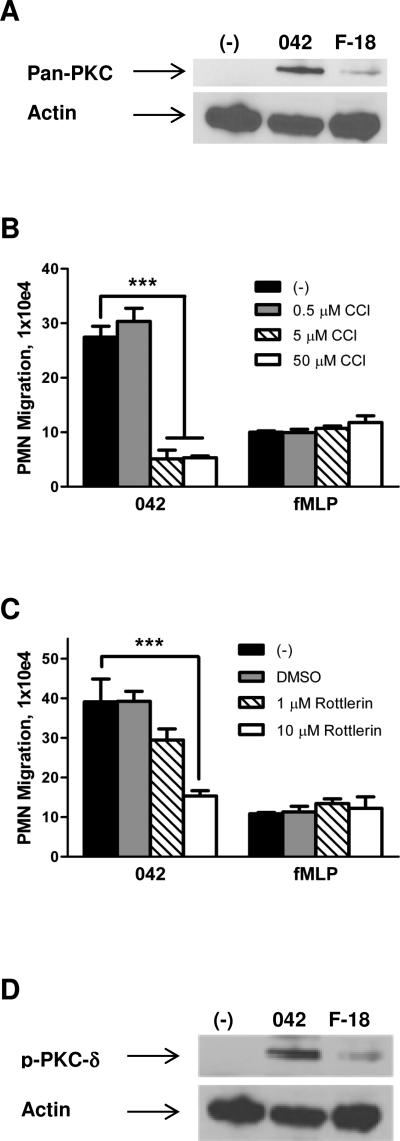
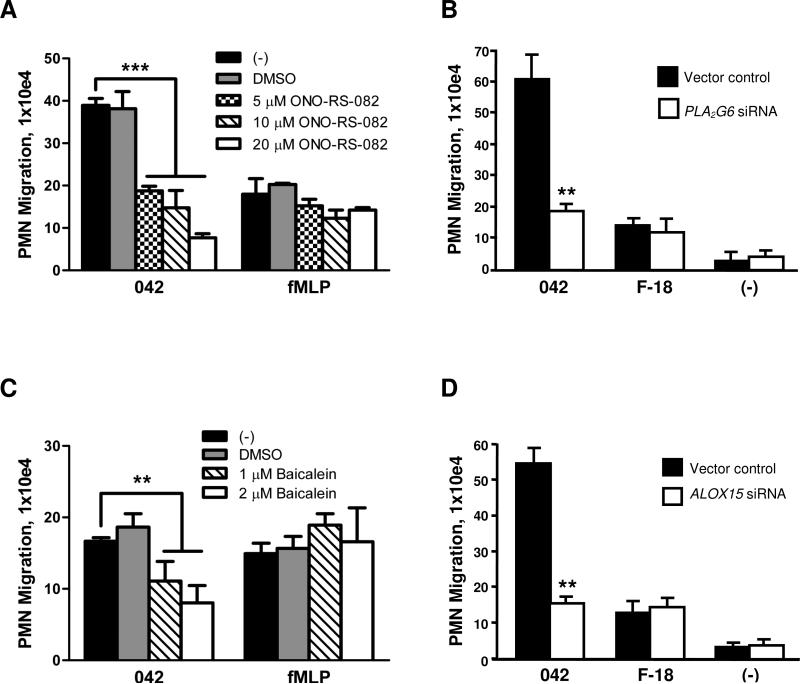
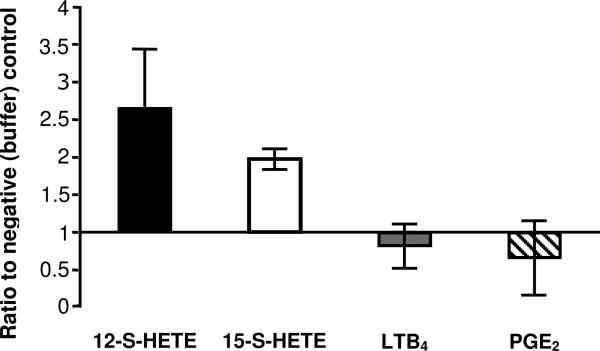
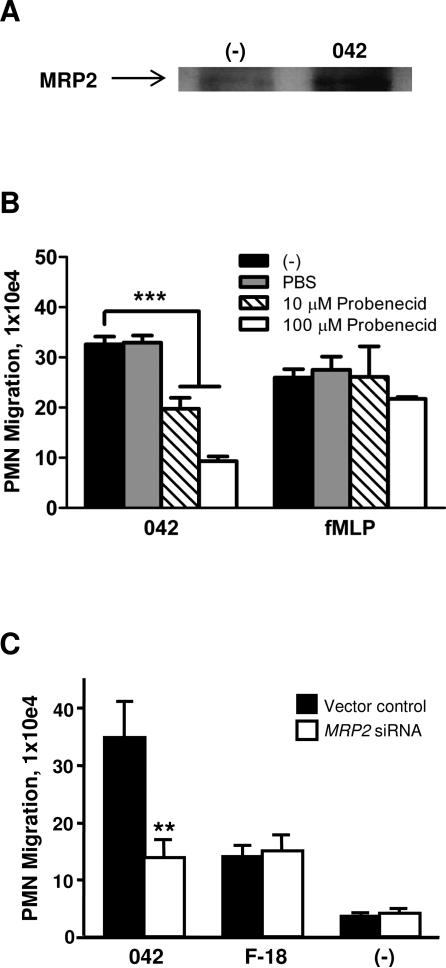
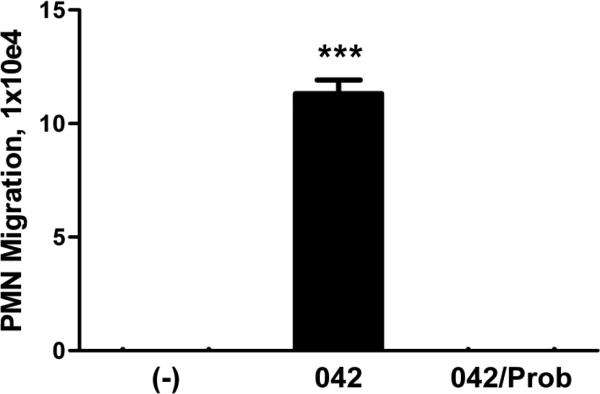
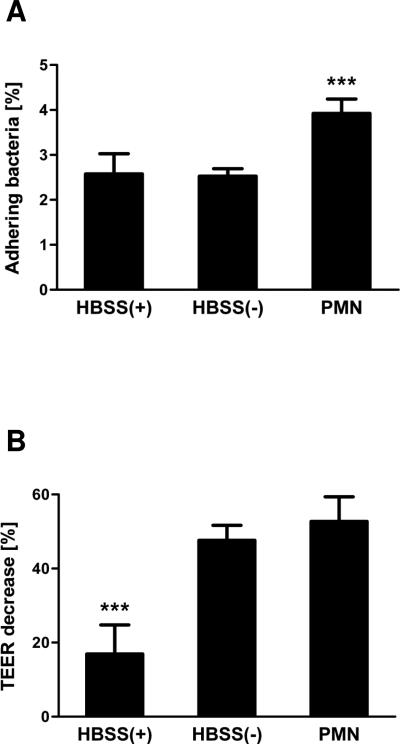
Enteroaggregative Escherichia coli (EAEC) induces release of pro-inflammatory markers and disruption of intestinal epithelial barriers in vitro, suggesting an inflammatory aspect to EAEC infection. However, the mechanisms underlying EAEC-induced mucosal inflammatory responses and the extent to which these events contribute to pathogenesis is not well characterized. Employing an established in vitro model we demonstrated that EAEC prototype strain 042 induces migration of polymorphonuclear neutrophils (PMNs) across polarized T84 cell monolayers. This event was mediated through a conserved host cell signalling cascade involving the 12/15-LOX pathway and led to apical secretion of an arachidonic acid-derived lipid PMN chemoattractant, guiding PMNs across the epithelia to the site of infection. Moreover, supporting the hypothesis that inflammatory responses may contribute to EAEC pathogenesis, we found that PMN transepithelial migration promoted enhanced attachment of EAEC 042 to T84 cells. These findings suggest that EAEC-induced PMN infiltration may favour colonization and thus pathogenesis of EAEC.
肠聚集性大肠杆菌(EAEC)在体外诱导促炎标志物的释放和肠道上皮屏障的破坏,提示 EAEC 感染具有炎症方面的作用。然而,EAEC 诱导的黏膜炎症反应的机制以及这些事件对发病机制的贡献程度尚不清楚。我们利用已建立的体外模型证明,EAEC 原型株 042 诱导多形核粒细胞(PMN)穿过极化 T84 细胞单层的迁移。这一事件是通过涉及 12/15-LOX 途径的保守宿主细胞信号级联来介导的,导致顶端分泌一种花生四烯酸衍生的脂质 PMN 趋化剂,引导 PMN 穿过上皮到达感染部位。此外,支持炎症反应可能有助于 EAEC 发病机制的假设,我们发现 PMN 跨上皮迁移促进了 EAEC 042 对 T84 细胞的增强附着。这些发现表明,EAEC 诱导的 PMN 浸润可能有利于 EAEC 的定植和发病机制。