Laboratory Animal Sciences Program, SAIC-Frederick, NCI, NIH, Frederick, MD, USA.
Clin Exp Metastasis. 2011 Dec;28(8):899-908. doi: 10.1007/s10585-011-9421-9. Epub 2011 Sep 21.
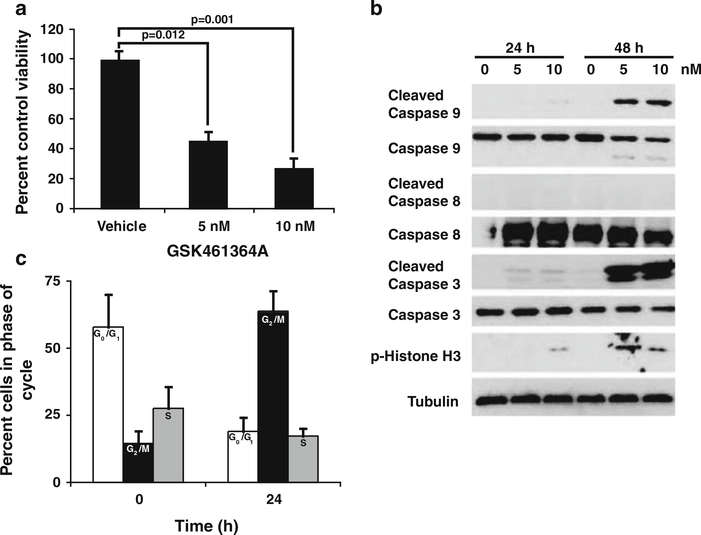
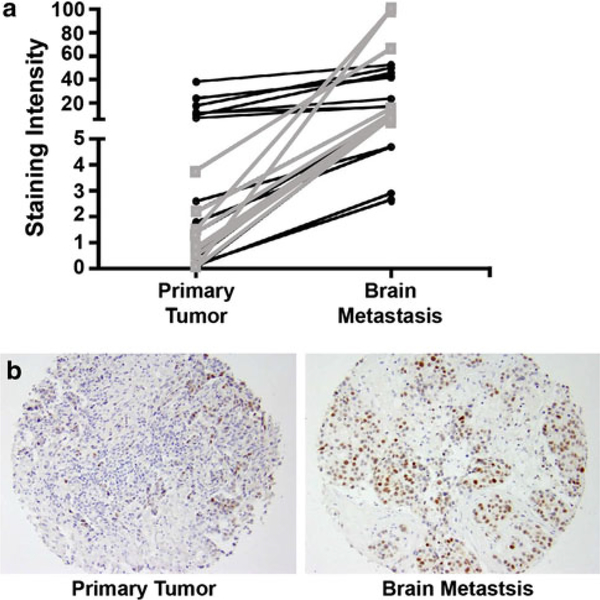
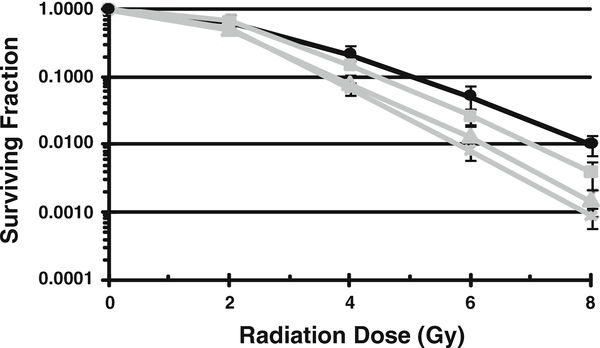
Few therapeutic strategies exist for the treatment of metastatic tumor cells in the brain because the blood-brain barrier (BBB) limits drug access. Thus the identification of molecular targets and accompanying BBB permeable drugs will significantly benefit brain metastasis patients. Polo-like kinase 1 (Plk1) is an attractive molecular target because it is only expressed in dividing cells and its expression is upregulated in many tumors. Analysis of a publicly available database of human breast cancer metastases revealed Plk1 mRNA expression was significantly increased in brain metastases compared to systemic metastases (P = 0.0018). The selective Plk1 inhibitor, GSK461364A, showed substantial uptake in normal rodent brain. Using a breast cancer brain metastatic xenograft model (231-BR), we tested the efficacy of GSK461364A to prevent brain metastatic colonization. When treatment was started 3 days post-injection, GSK461364A at 50 mg/kg inhibited the development of large brain metastases 62% (P = 0.0001) and prolonged survival by 17%. GSK461364A sensitized tumor cells to radiation induced cell death in vitro. Previously, it was reported that mutations in p53 might render tumor cells more sensitive to Plk1 inhibition; however, p53 mutations are uncommon in breast cancer. In a cohort of 41 primary breast tumors and matched brain metastases, p53 immunostaining was increased in 61% of metastases; 44% of which were associated with primary tumors with low p53. The data suggest that p53 overexpression occurs frequently in brain metastases and may facilitate sensitivity to Plk1 inhibition. These data indicate Plk1 may be a new druggable target for the prevention of breast cancer brain metastases.
目前针对脑转移瘤细胞的治疗策略有限,因为血脑屏障(BBB)限制了药物的进入。因此,鉴定分子靶点和伴随的 BBB 通透性药物将使脑转移患者显著受益。Polo 样激酶 1(Plk1)是一个有吸引力的分子靶点,因为它仅在分裂细胞中表达,并且其表达在许多肿瘤中上调。对人类乳腺癌转移的公开数据库进行分析显示,与全身转移相比,脑转移中 Plk1mRNA 的表达显著增加(P=0.0018)。选择性 Plk1 抑制剂 GSK461364A 在正常啮齿动物脑中表现出大量摄取。使用乳腺癌脑转移异种移植模型(231-BR),我们测试了 GSK461364A 预防脑转移定植的疗效。当在注射后 3 天开始治疗时,GSK461364A 以 50mg/kg 剂量抑制大的脑转移的发展 62%(P=0.0001)并延长 17%的生存时间。GSK461364A 使肿瘤细胞对体外辐射诱导的细胞死亡敏感。先前有报道称,p53 突变可能使肿瘤细胞对 Plk1 抑制更敏感;然而,p53 突变在乳腺癌中并不常见。在 41 例原发性乳腺癌肿瘤和配对的脑转移瘤的队列中,转移瘤中 61%的 p53 免疫染色增加;其中 44%与原发性肿瘤中低 p53 相关。数据表明,p53 过表达在脑转移中经常发生,并且可能促进对 Plk1 抑制的敏感性。这些数据表明 Plk1 可能是预防乳腺癌脑转移的新的可用药靶。