Department of Pharmacy, Health and Nutritional Sciences, Via P. Bucci, University of Calabria, Arcavacata di Rende (CS), 87036 Cosenza, Italy.
Department of Pulmonology, Hannover Medical School, Carl-Neuberg-Straße, 30625 Hannover, Germany.
Nutrients. 2023 Jun 22;15(13):2839. doi: 10.3390/nu15132839.
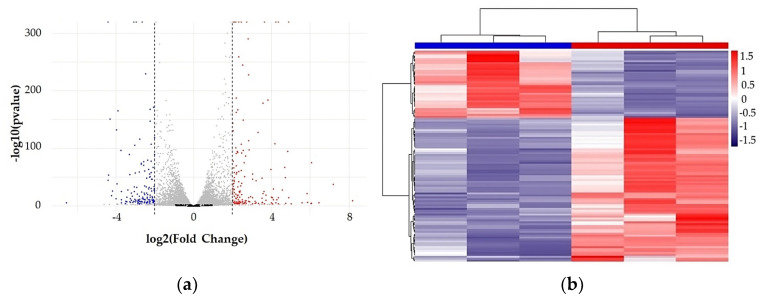
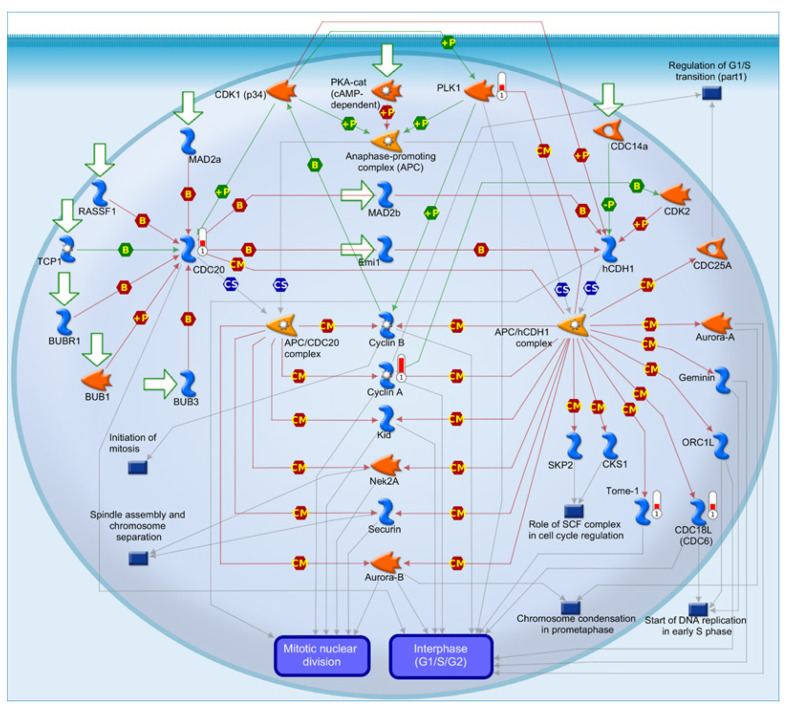
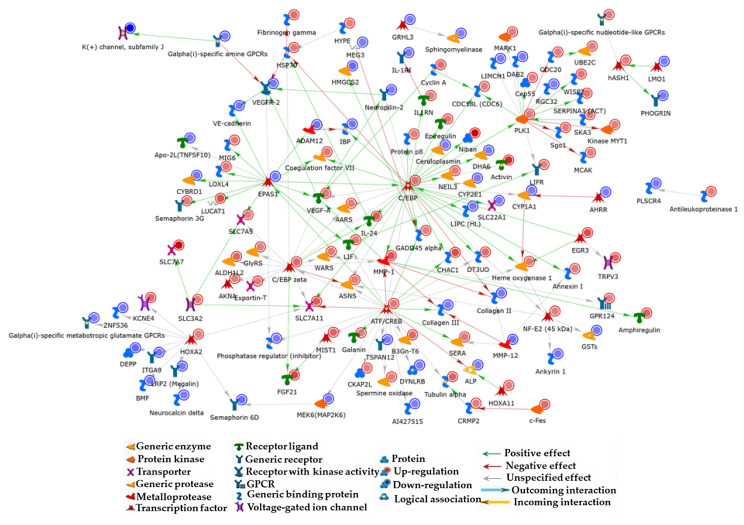
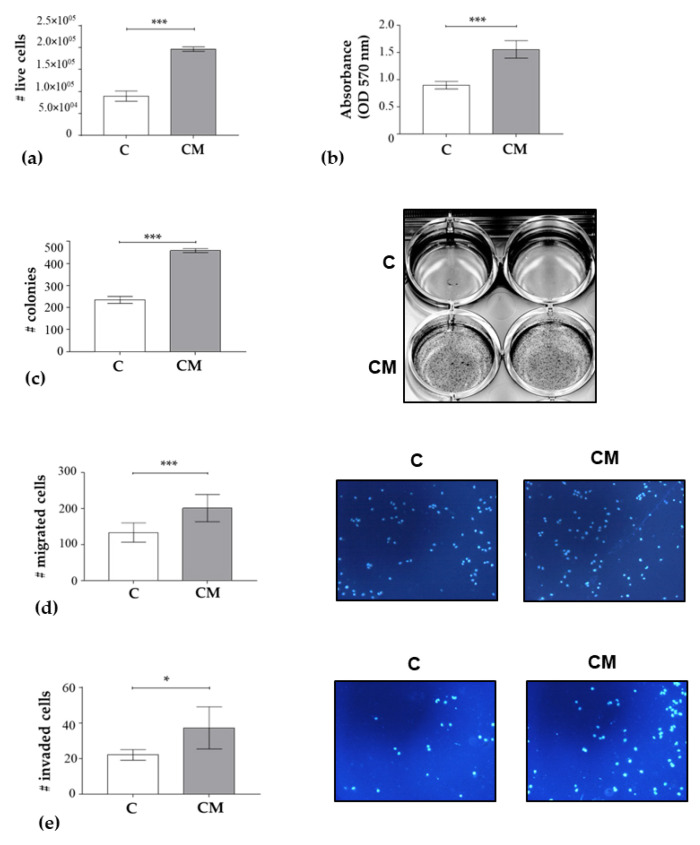
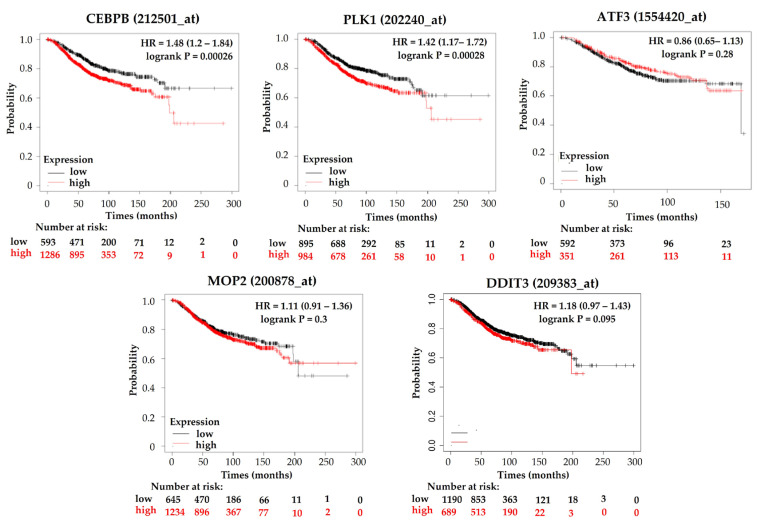
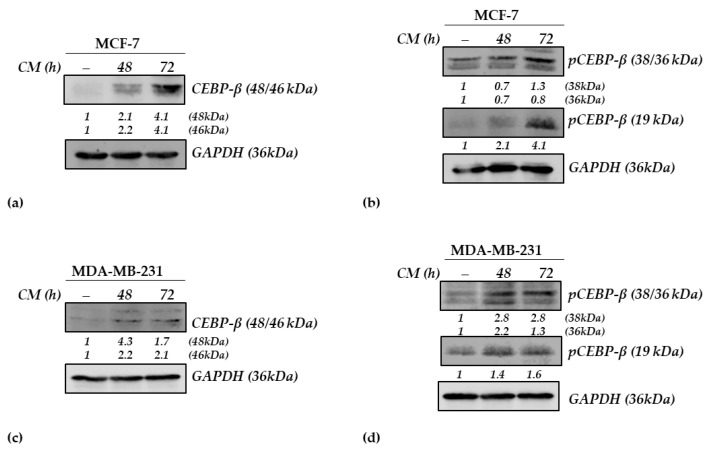
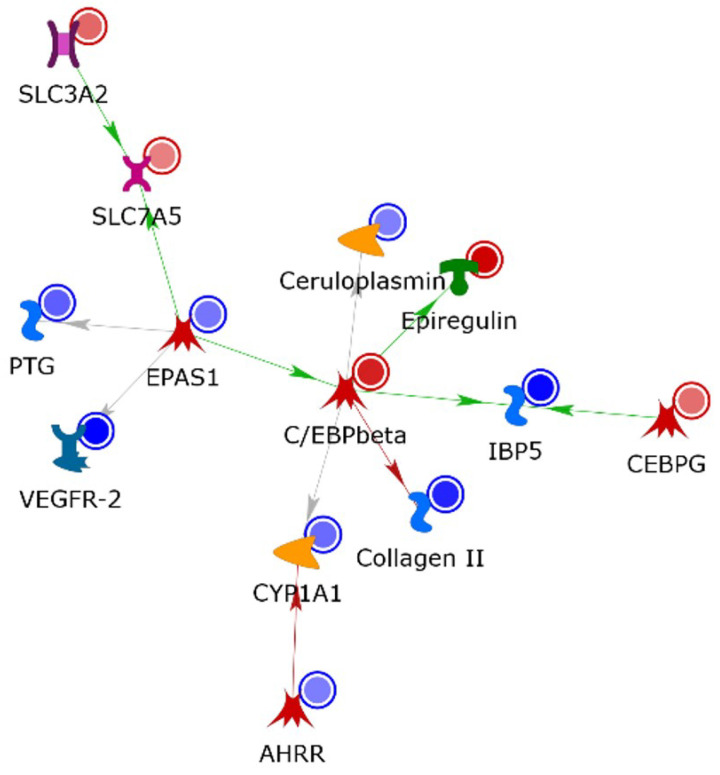
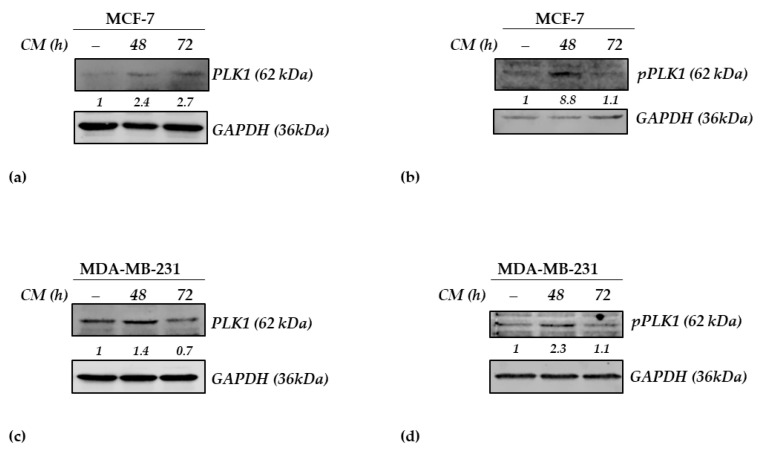
Over the last two decades, obesity has reached pandemic proportions in several countries, and expanding evidence is showing its contribution to several types of malignancies, including breast cancer (BC). The conditioned medium (CM) from mature adipocytes contains a complex of secretes that may mimic the obesity condition in studies on BC cell lines conducted in vitro. Here, we report a transcriptomic analysis on MCF-7 BC cells exposed to adipocyte-derived CM and focus on the predictive functional relevance that CM-affected pathways/processes and related biomarkers (BMs) may have in BC response to obesity. CM was demonstrated to increase cell proliferation, motility and invasion as well as broadly alter the transcript profiles of MCF-7 cells by significantly modulating 364 genes. Bioinformatic functional analyses unraveled the presence of five highly relevant central hubs in the direct interaction networks (DIN), and Kaplan-Meier analysis sorted the CCAAT/enhancer binding protein beta (CEBP-β) and serine/threonine-protein kinase PLK1 (PLK1) as clinically significant biomarkers in BC. Indeed, CEBP-β and PLK1 negatively correlated with BC overall survival and were up-regulated by adipocyte-derived CM. In addition to their known involvement in cell proliferation and tumor progression, our work suggests them as a possible "deus ex machina" in BC response to fat tissue humoral products in obese women.
在过去的二十年中,肥胖在多个国家已经达到了流行的程度,越来越多的证据表明肥胖与多种类型的恶性肿瘤有关,包括乳腺癌(BC)。成熟脂肪细胞的条件培养基(CM)中含有一组可能在体外研究 BC 细胞系时模拟肥胖状况的分泌产物。在这里,我们报告了一项对 MCF-7 BC 细胞暴露于脂肪细胞衍生的 CM 后的转录组分析,并重点关注了 CM 影响的途径/过程和相关生物标志物(BMs)在 BC 对肥胖反应中的预测功能相关性。CM 被证明可增加细胞增殖、迁移和侵袭,并通过显著调节 364 个基因广泛改变 MCF-7 细胞的转录谱。生物信息学功能分析揭示了直接相互作用网络(DIN)中存在五个高度相关的核心枢纽,Kaplan-Meier 分析将 CCAAT/增强子结合蛋白β(CEBP-β)和丝氨酸/苏氨酸蛋白激酶 PLK1(PLK1)归类为 BC 中的临床显著生物标志物。事实上,CEBP-β和 PLK1 与 BC 的总生存期呈负相关,并且被脂肪细胞衍生的 CM 上调。除了它们已知的参与细胞增殖和肿瘤进展外,我们的工作表明它们可能是肥胖女性脂肪组织体液产物对 BC 反应的“解围之神”。