Jaklitsch Walter M
Department of Systematic and Evolutionary Botany, Faculty Centre of Biodiversity, University of Vienna, Rennweg 14, 1030 Vienna, Austria.
Fungal Divers. 2011 May;48(1):1-250. doi: 10.1007/s13225-011-0088-y.
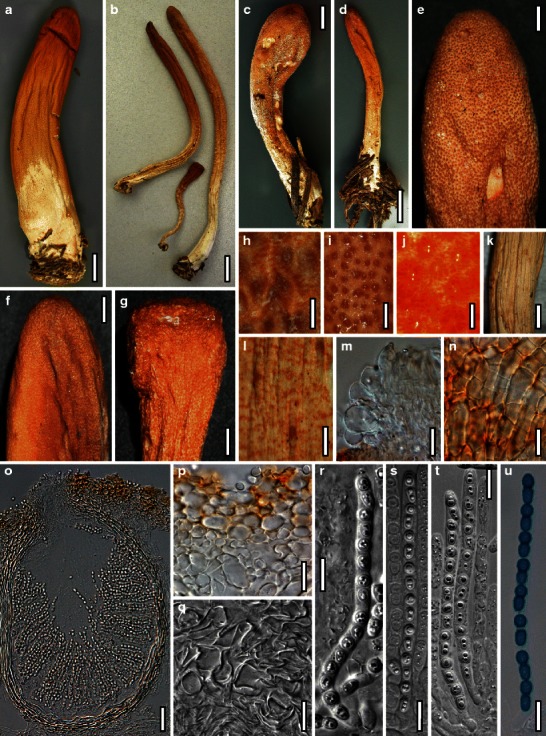
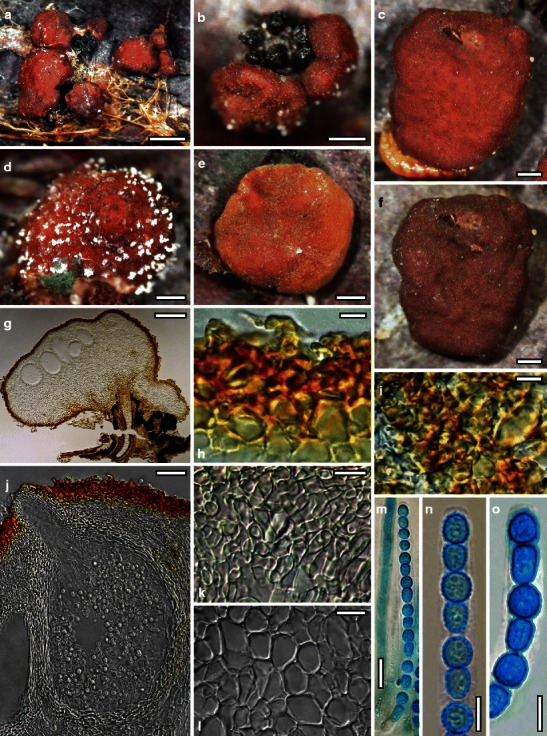
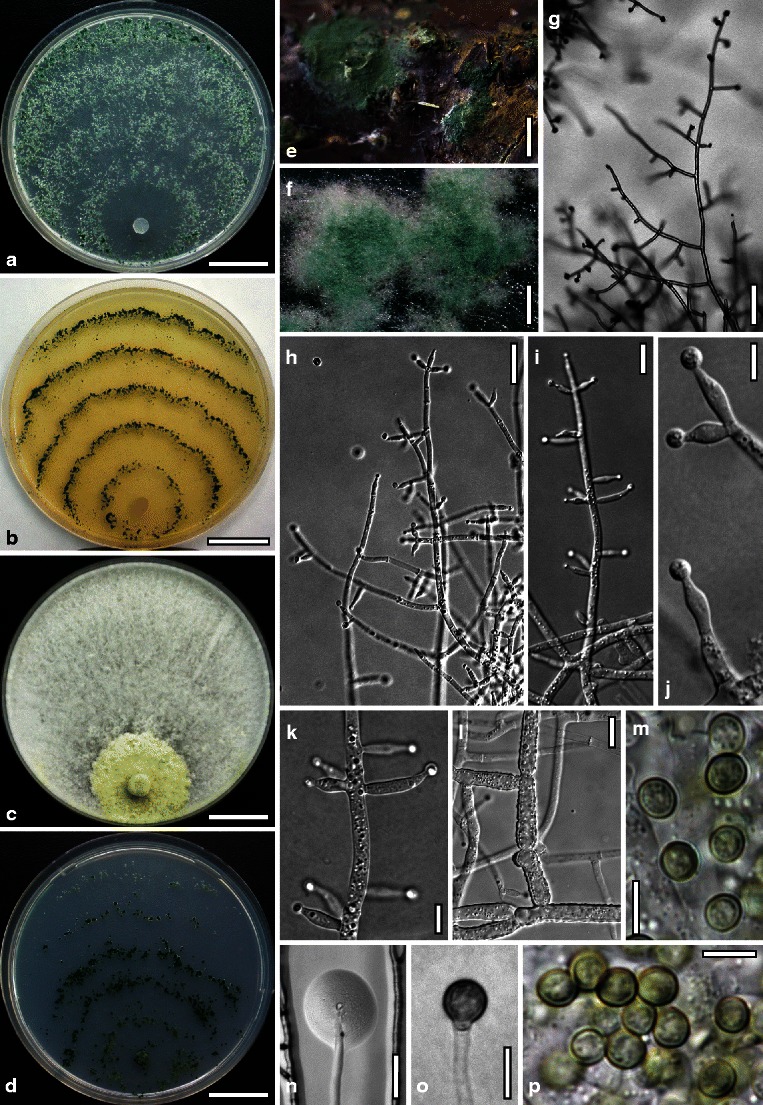
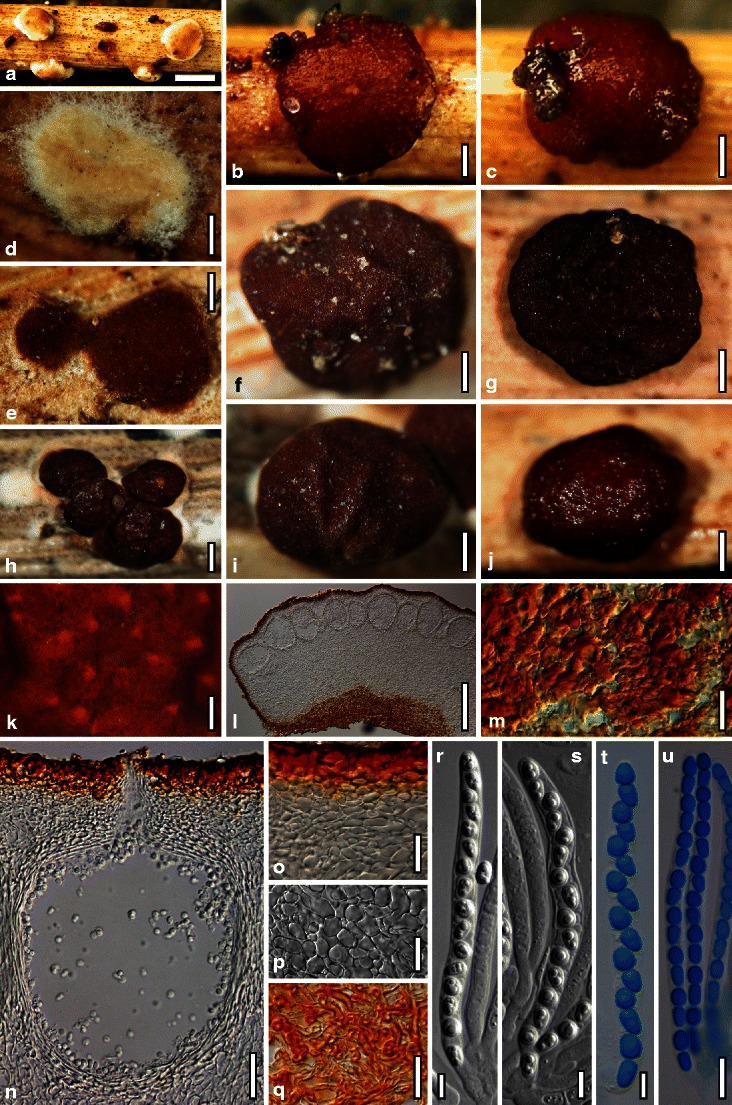
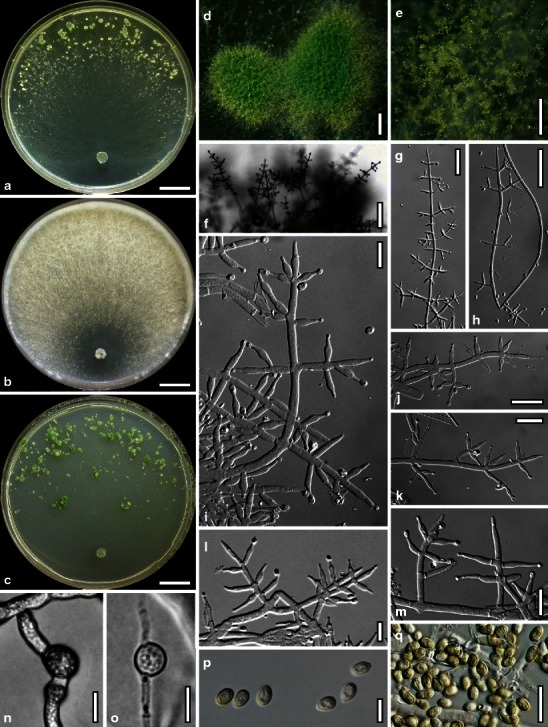
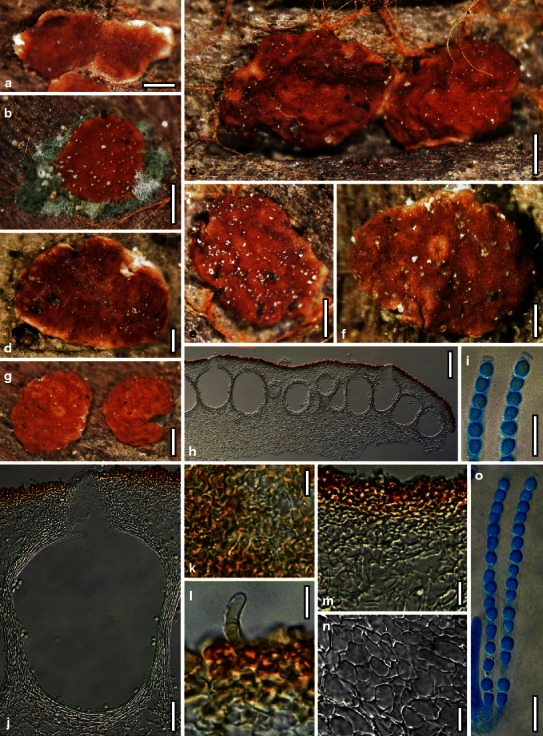
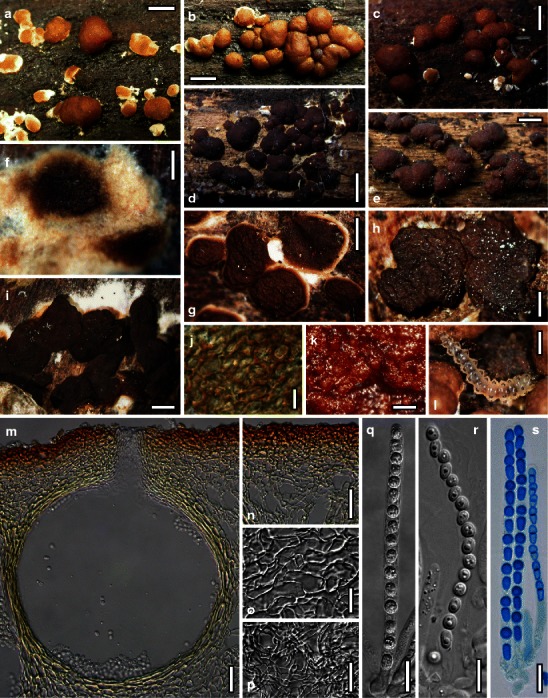
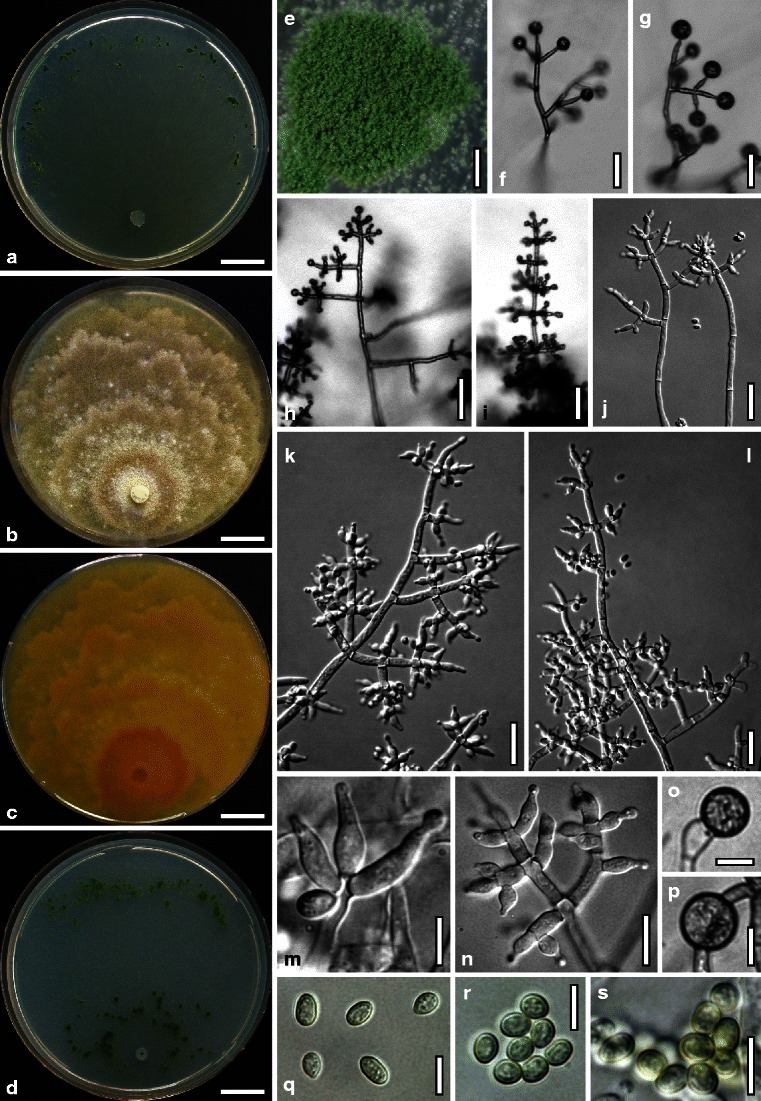
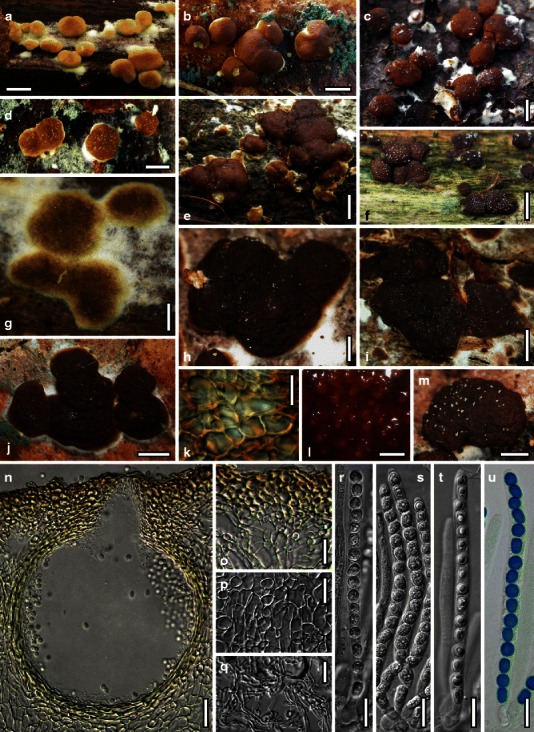
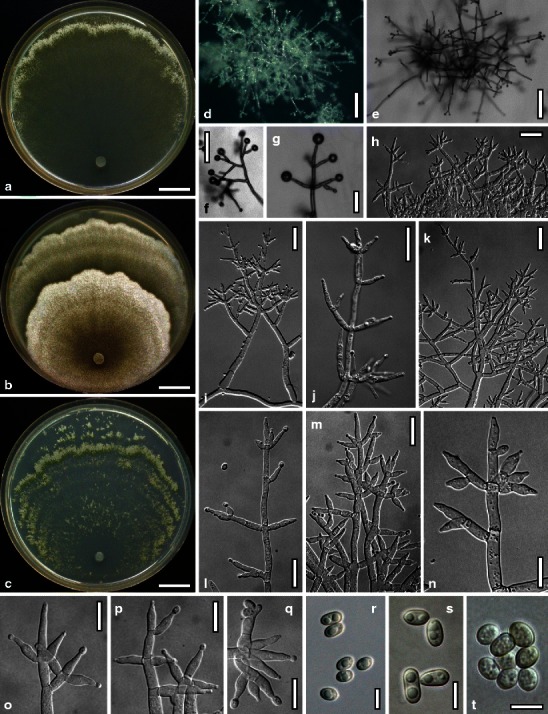
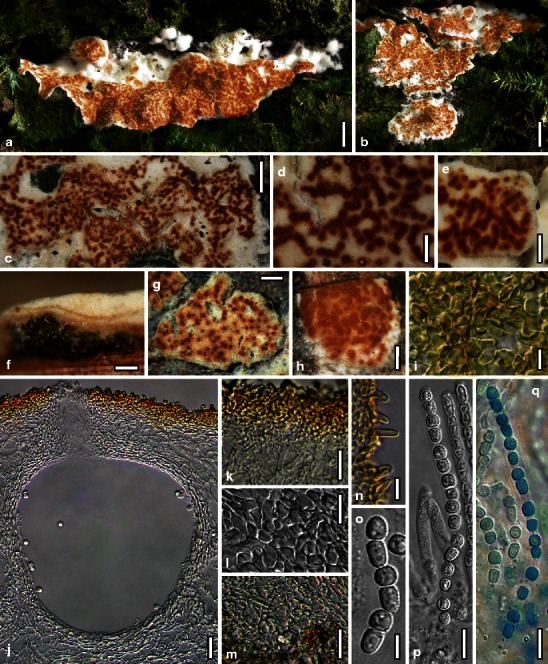
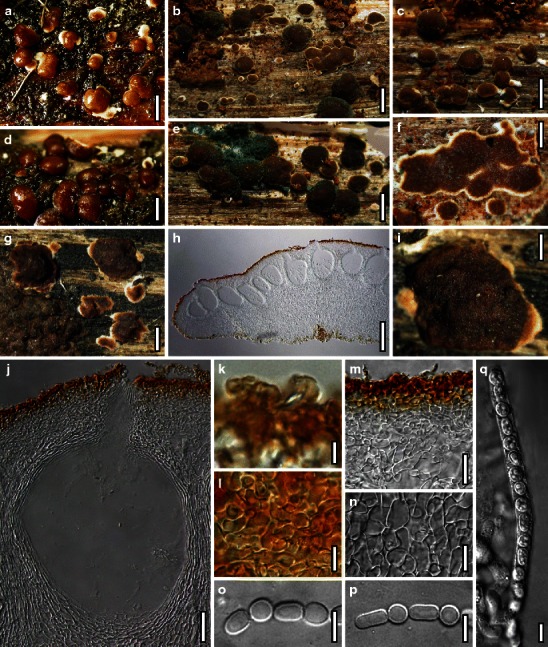
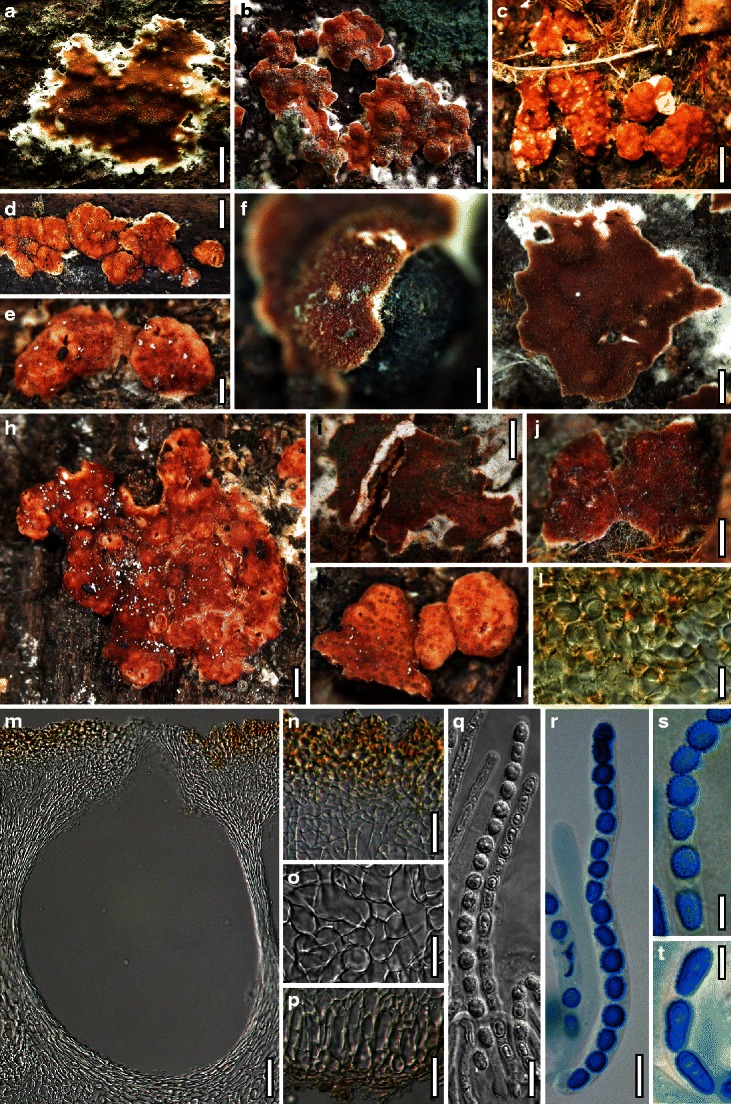
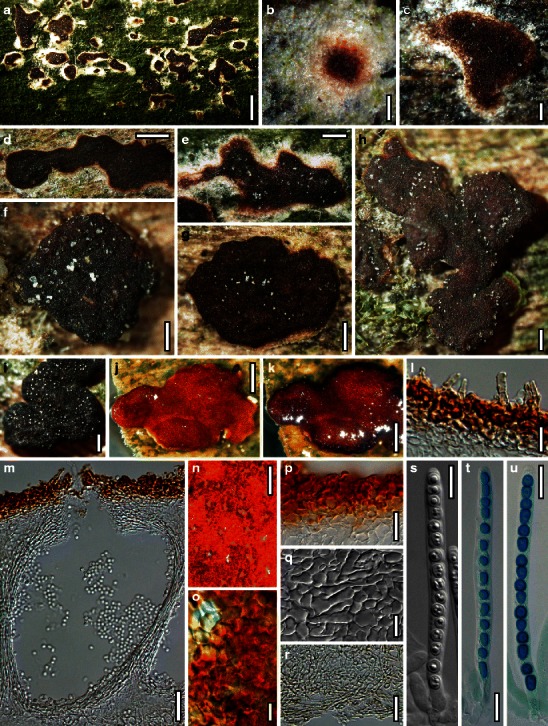
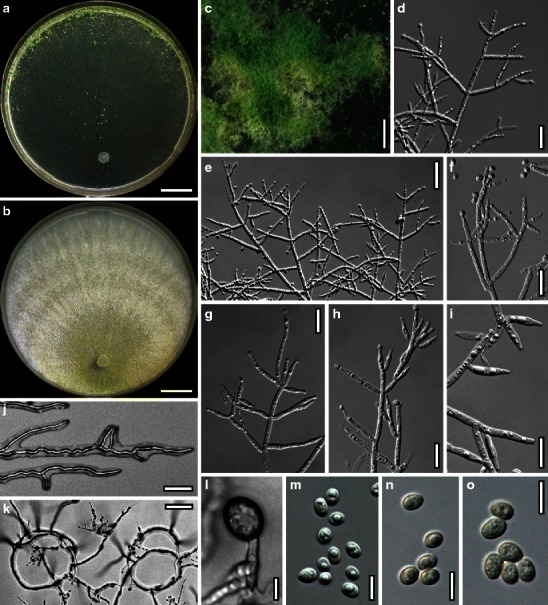
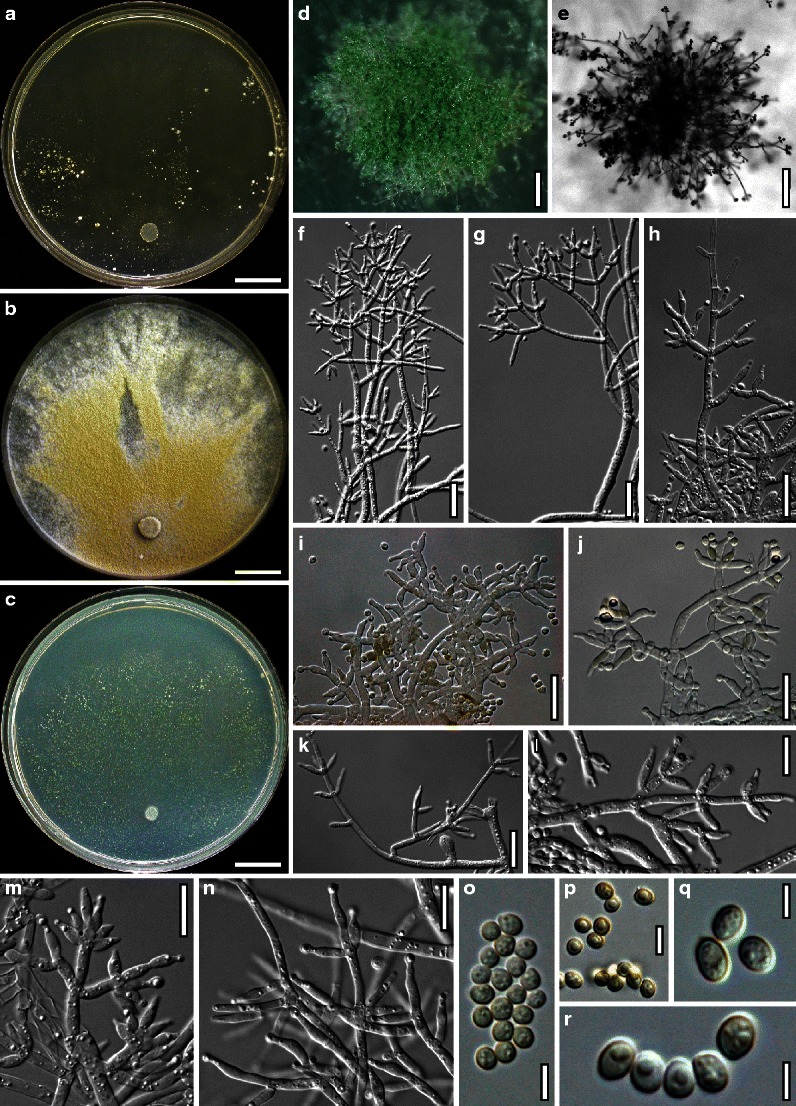
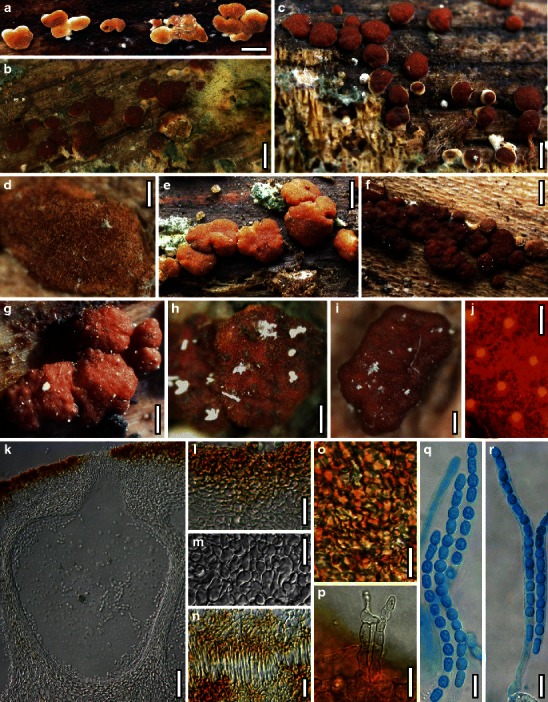
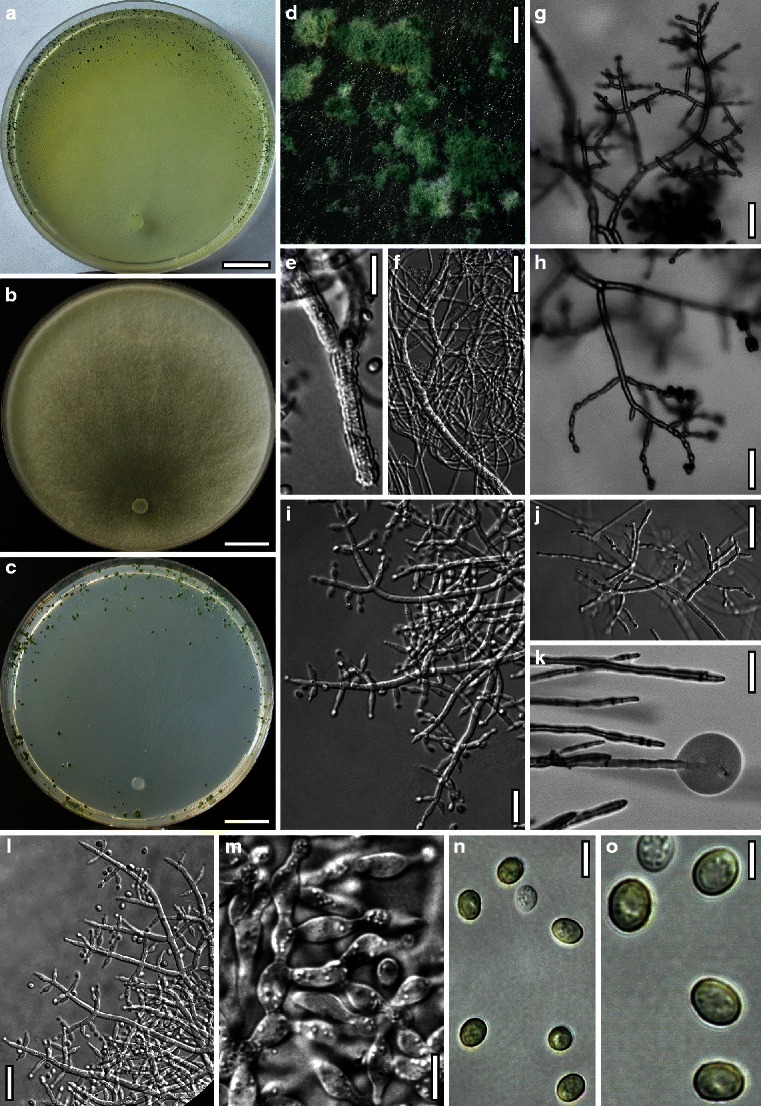
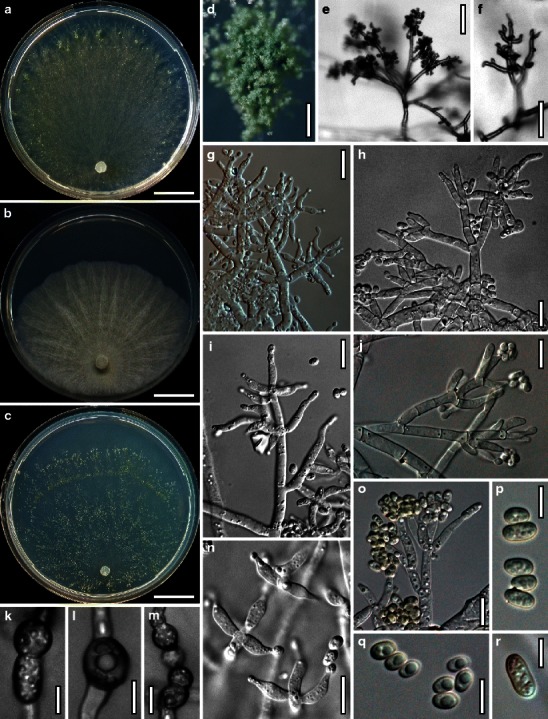
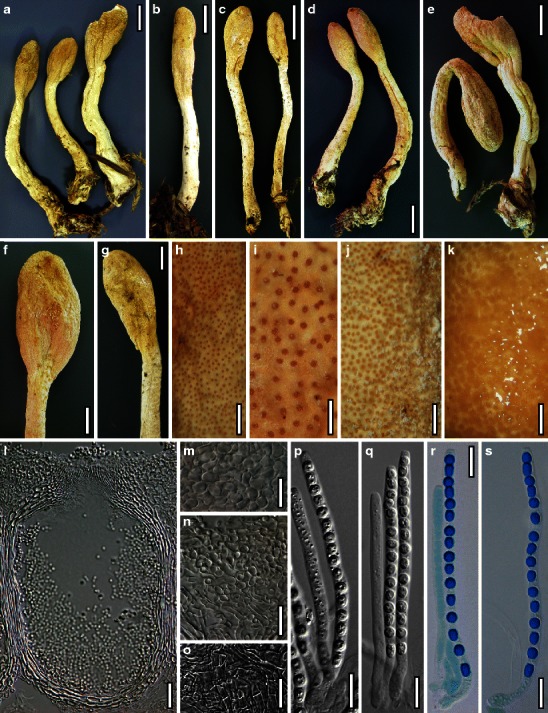
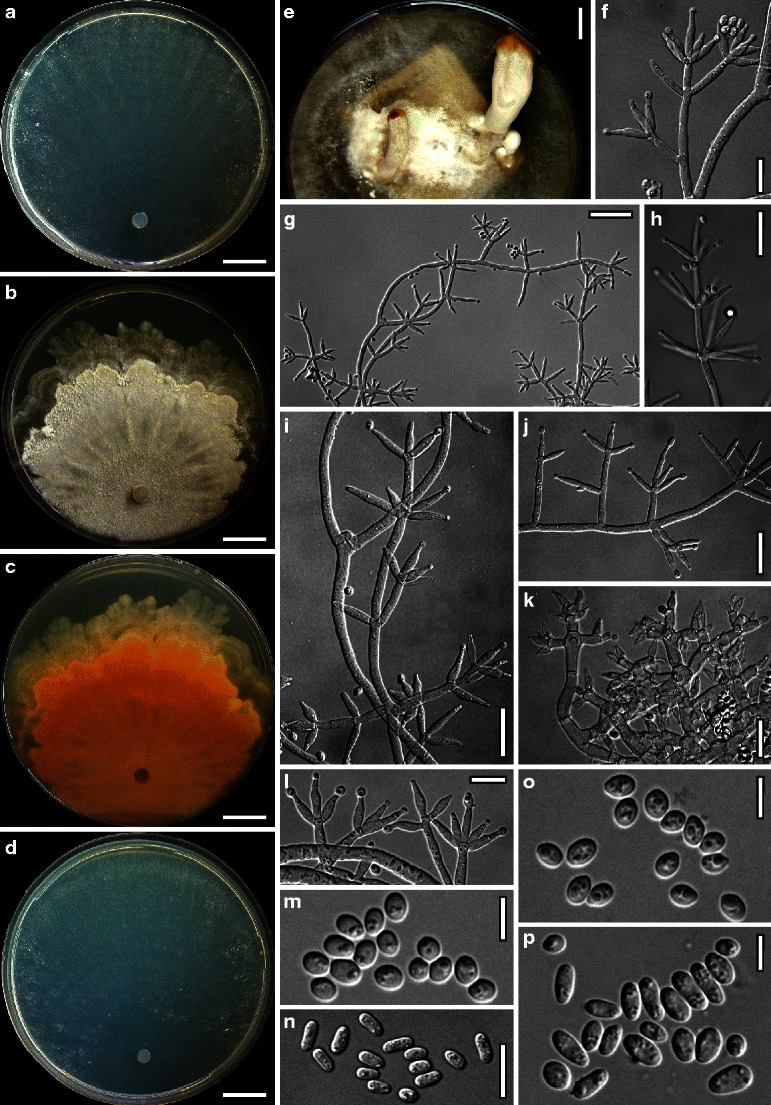
To date 75 species of Hypocrea/Trichoderma forming teleomorphs are recognised in Europe. The 56 hyaline-spored species are here described in detail and illustrated in colour plates, including cultures and anamorphs. This number includes 16 new holomorphs, two new teleomorphs and nine anamorphs of species previously described as teleomorphs. Phylogenetic placement and relationships of the species are shown on the strict consensus tree, based on sequences of RNA polymerase II subunit b (rpb2) and translation elongation factor 1 alpha (tef1) exon, comprising 135 species of the genus Hypocrea/Trichoderma. All available holotypes of species described from Europe including some from North America have been examined. A dichotomous key to the species is provided primarily utilising ecological and morphological traits of the teleomorphs and, where necessary, morphology of the anamorphs and cultures, and growth rates. Species descriptions are subdivided among five chapters, arranged primarily according to the larger phylogenetic clades, viz. section Trichoderma with 13 species, the pachybasium core group with 13 species including four species with stipitate stromata ('Podostroma'), species forming large effused stromata with 10 species including the section Hypocreanum, 9 species of the Brevicompactum, Lutea and Psychrophila clades, and 11 residual species of various smaller clades or of unknown phylogenetic placement. Finally, a list comprising dubious names and species excluded from Hypocrea that are relevant for Europe, or species claimed to occur in Europe by other authors is provided. Hypocrea minutispora is by far the most common species in Europe. For H. moravica, H. subalpina and H. tremelloides the anamorphs are newly described. The anamorphs of the latter two species and H. sambuci produce hyaline conidia on unusual structures new to Trichoderma. These three species form a new subclade of the morphologically strikingly different section Longibrachiatum, which is currently only represented by H. schweinitzii in Europe as a holomorph. The subclade is not named yet formally due to low statistical support. H. fungicola f. raduli is described as the new species H. austriaca, while H. hypomycella was found not to belong to Hypocrea. The typification of H. pilulifera, H. tremelloides and H. lutea has been clarified. Gliocladium deliquescens, the anamorph of H. lutea, is combined in Trichoderma. Species are epitypified where appropriate. Anamorph names are established prospectively to avoid numerous new combinations in future when they may be possibly used as holomorphic names if the ICBN is altered accordingly.
迄今为止,在欧洲已识别出75种形成有性型的肉座菌属/木霉属真菌。本文详细描述了其中56种产透明孢子的物种,并配有彩色图谱说明,包括培养物和无性型。这个数字包括16个新的全型、2个新的有性型以及9个先前被描述为有性型的物种的无性型。基于RNA聚合酶II亚基b(rpb2)和翻译延伸因子1α(tef1)外显子的序列,构建了包含135种肉座菌属/木霉属真菌的严格合意树,展示了这些物种的系统发育位置和关系。已检查了所有来自欧洲(包括一些来自北美的)已描述物种的可用模式标本。提供了一个分种检索表,主要利用有性型的生态和形态特征,并在必要时结合无性型、培养物的形态以及生长速率。物种描述分为五章,主要根据较大的系统发育分支进行排列,即:木霉组有13个物种;厚基核组有13个物种,其中包括4个具柄子座的物种(“柄座菌属”);形成大型平铺子座的物种有10个,包括肉座菌组;短密孢组、黄孢组和嗜冷组有9个物种;以及11个来自各种较小分支或系统发育位置未知的剩余物种。最后,列出了与欧洲相关的可疑名称和从肉座菌属中排除的物种,或其他作者声称在欧洲出现的物种。微小肉座菌是欧洲迄今为止最常见的物种。对于摩拉维亚肉座菌、亚高山肉座菌和银耳状肉座菌,其无性型是新描述的。后两个物种和接骨木肉座菌的无性型在木霉属中不常见的结构上产生透明分生孢子。这三个物种形成了形态上显著不同的长枝组的一个新亚分支,目前在欧洲作为全型仅由施氏肉座菌代表。由于统计支持率低,该亚分支尚未正式命名。拟食菌肉座菌蕨类变种被描述为新物种奥地利肉座菌,而拟菌肉座菌被发现不属于肉座菌属。已阐明了丸形肉座菌、银耳状肉座菌和黄肉座菌的模式指定。黄肉座菌的无性型消解粘帚霉被归并入木霉属。在适当的情况下对物种进行了后选模式指定。前瞻性地建立无性型名称,以避免未来在国际植物命名法规相应变更时可能用作全型名称而产生大量新组合。