Ahmad Akhoundi Ms, Rahmati Kamel M, Hooshmand T, Harririan I, Kharazi Fard Mj, Noroozi H
Associate Professor, Dental Research Center, Tehran University of Medical Sciences, Tehran, Iran.
J Dent (Tehran). 2010 Spring;7(2):64-70. Epub 2010 Jun 30.
The aim of this study was to evaluate the bond strength between metal brackets and non-glazed ceramic with three different surface treatment methods.
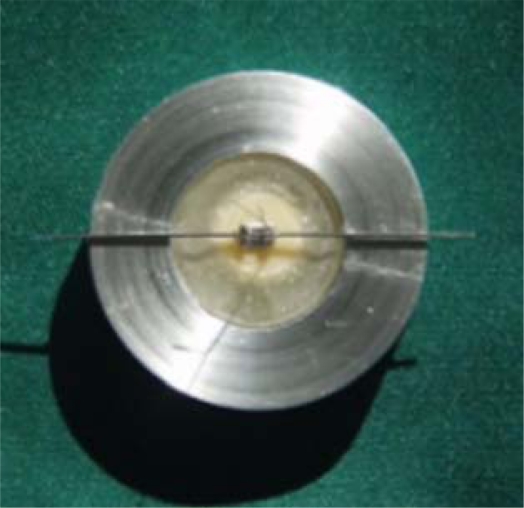
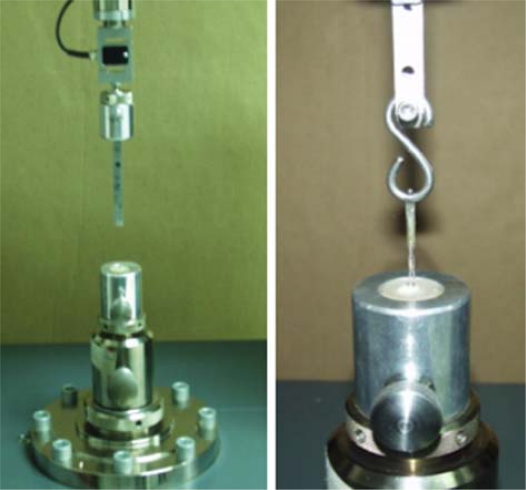
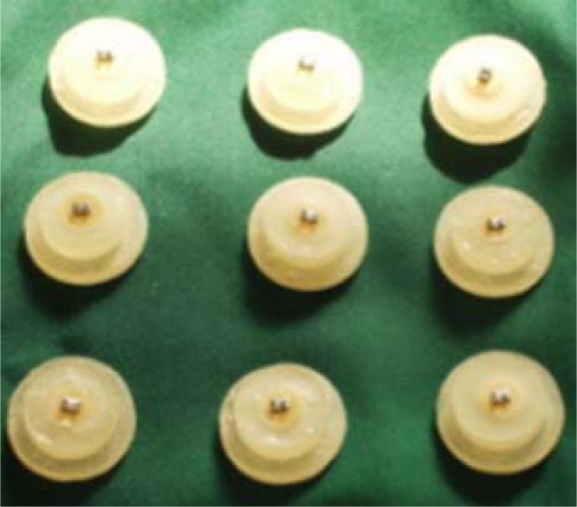
Forty-two non-glazed ceramic disks were assigned into three groups. Group I and II specimens were etched with 9.5% hydrofluoric acid. Subsequently in group I, silane and adhesive were applied and in group II, bonding agent was used only. In group III, specimens were treated with 35% phosphoric acid and then silane and adhesive were applied. Brackets were bonded with light-cured composites. The specimens were stored in water in room temperature for 24 hours and then thermocycled 500 times between 5°C and 55°C.
The difference of tensile bond strength between groups I and III was not significant (P=0.999). However, the tensile bond strength of group II was significantly lower than groups I, and III (P<0.001). The adhesive remnant index scores between the three groups had statistically significant differences (P<0.001).
With the application of scotch bond multi-purpose plus adhesive, we can use phosphoric acid instead of hydrofluoric acid for bonding brackets to non-glazed ceramic restorations.
本研究旨在评估三种不同表面处理方法下金属托槽与无釉陶瓷之间的粘结强度。
将42个无釉陶瓷盘分为三组。第一组和第二组样本用9.5%的氢氟酸蚀刻。随后,第一组应用硅烷和粘结剂,第二组仅使用粘结剂。第三组样本用35%的磷酸处理,然后应用硅烷和粘结剂。托槽用光固化复合材料粘结。样本在室温水中储存24小时,然后在5°C至55°C之间进行500次热循环。
第一组和第三组之间的拉伸粘结强度差异不显著(P = 0.999)。然而,第二组的拉伸粘结强度显著低于第一组和第三组(P < 0.001)。三组之间的粘结剂残留指数评分有统计学显著差异(P < 0.001)。
使用Scotch Bond多用途增强粘结剂时,我们可以用磷酸代替氢氟酸将托槽粘结到无釉陶瓷修复体上。