Jeyapaul J, Reddy M R, Khan S A
Wistar Institute, Philadelphia, PA 19104.
Proc Natl Acad Sci U S A. 1990 Sep;87(18):7030-4. doi: 10.1073/pnas.87.18.7030.
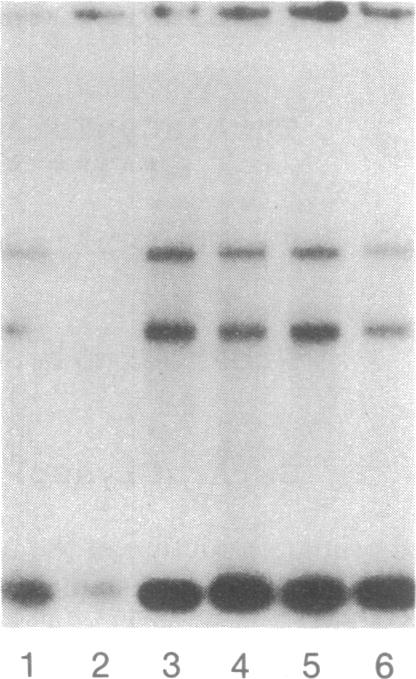
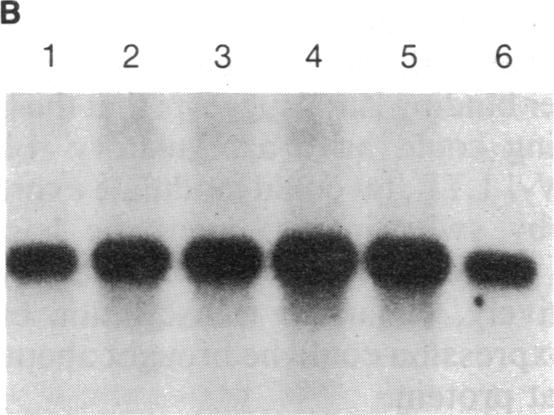
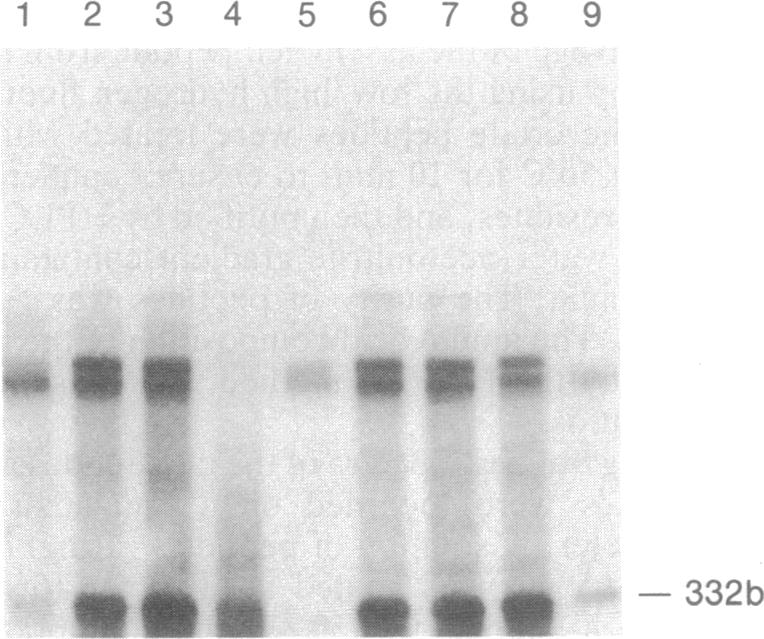
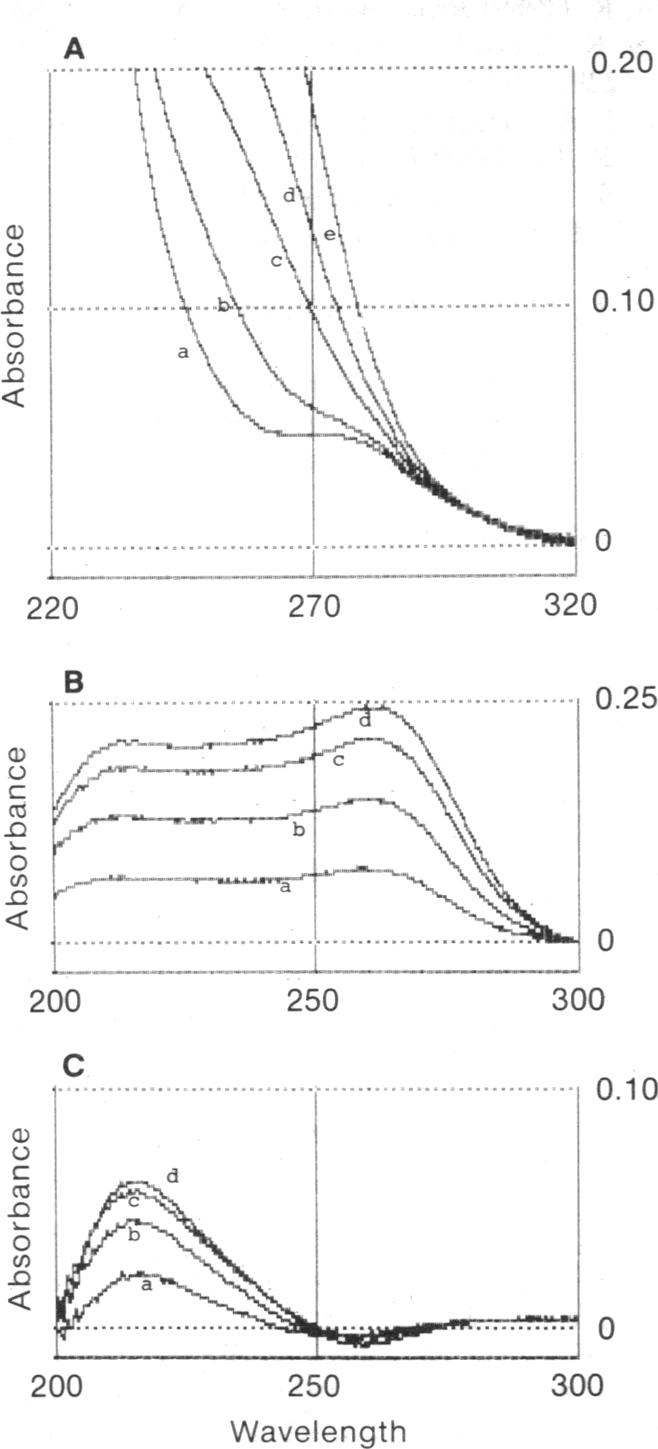
The tat protein encoded by the human immunodeficiency virus type 1 is a potent trans-activator of gene expression from the viral long terminal repeat. The domains that are essential for trans-activation, a Pro-Xaa3-Pro triad, a cysteine-rich metal-binding sequence motif, and a cluster of basic residues, are present within the N-terminal 57 residues of tat. To determine the structural requirements for tat function and the role of metal binding at the transcription level alone, tat-(1-86) (full-length tat peptide), tat-(1-57), and tat-(1-47) were chemically synthesized. These peptides as well as the Cd2+ and Zn2+ complexes of tat-(1-86) and tat-(1-57) were evaluated for stimulation of transcription from the human immunodeficiency virus type 1 long terminal repeat by using cell-free in vitro methods. All three peptides produced a 7- to 9-fold increase over the basal level of transcription at a peptide concentration of 0.4 microM. Interestingly, at 4 microM, both tat-(1-57) and tat-(1-86) inhibited even the basal level of transcription. In contrast, tat-(1-47), which lacks the basic domain (residues 49-57), exhibited full stimulatory activity at 4 microM. Our data suggest, therefore, that the basic region may be responsible for the observed inhibitory activity of tat-(1-86) and tat-(1-57). Furthermore, binding to Zn2+ and not to Cd2+ ions only slightly augments (approximately 2-fold) the activity of the tat peptides.
人类免疫缺陷病毒1型编码的tat蛋白是病毒长末端重复序列基因表达的强效反式激活因子。反式激活所必需的结构域,即一个脯氨酸- Xaa3 -脯氨酸三联体、一个富含半胱氨酸的金属结合序列基序和一簇碱性残基,存在于tat的N端57个残基内。为了仅在转录水平确定tat功能的结构要求以及金属结合的作用,化学合成了tat-(1 - 86)(全长tat肽)、tat-(1 - 57)和tat-(1 - 47)。通过无细胞体外方法评估了这些肽以及tat-(1 - 86)和tat-(1 - 57)的Cd2+和Zn2+复合物对人类免疫缺陷病毒1型长末端重复序列转录的刺激作用。在肽浓度为0.4微摩尔时,所有三种肽均使转录基础水平提高了7至9倍。有趣的是,在4微摩尔时,tat-(1 - 57)和tat-(1 - 86)甚至抑制了转录基础水平。相比之下,缺乏碱性结构域(残基49 - 57)的tat-(1 - 47)在4微摩尔时表现出完全的刺激活性。因此,我们的数据表明,碱性区域可能是tat-(1 - 86)和tat-(1 - 57)所观察到的抑制活性的原因。此外,与Zn2+而非Cd2+离子结合仅略微增强(约2倍)tat肽的活性。