School of Nursing and Midwifery, University of Western Sydney, Locked Bag 1797, Penrith NSW, 2751, Australia.
Int Breastfeed J. 2011 Nov 7;6(1):16. doi: 10.1186/1746-4358-6-16.
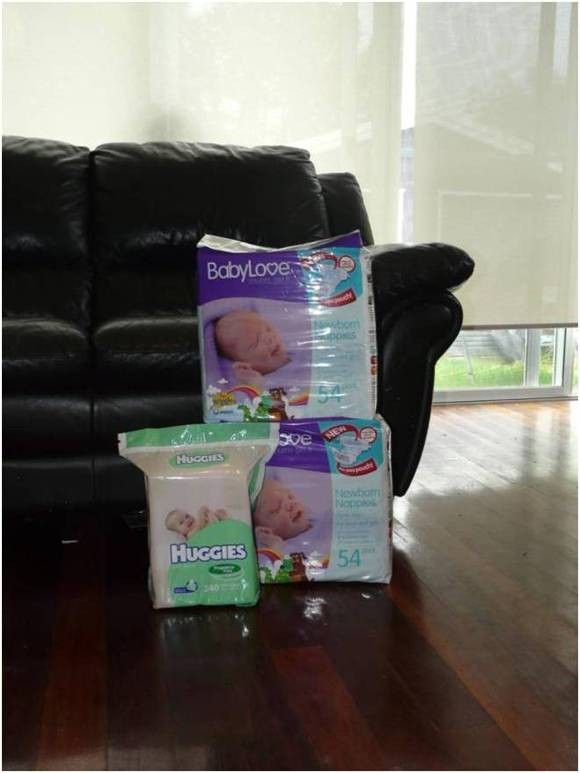
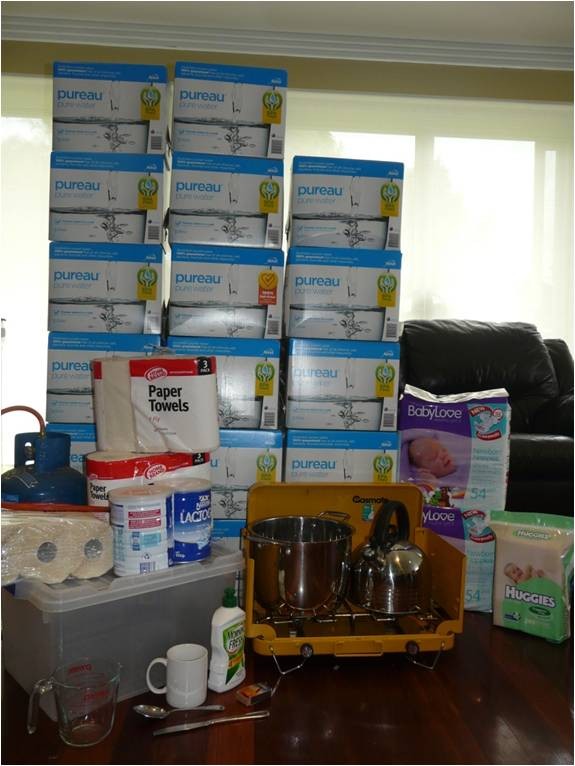
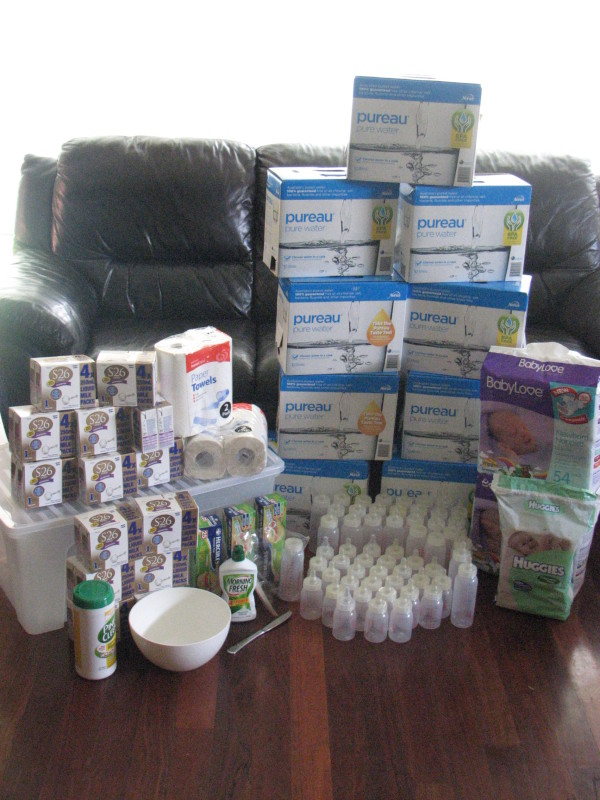
Emergency management organisations recognise the vulnerability of infants in emergencies, even in developed countries. However, thus far, those who care for infants have not been provided with detailed information on what emergency preparedness entails. Emergency management authorities should provide those who care for infants with accurate and detailed information on the supplies necessary to care for them in an emergency, distinguishing between the needs of breastfed infants and the needs of formula fed infants. Those who care for formula fed infants should be provided with detailed information on the supplies necessary for an emergency preparedness kit and with information on how to prepare formula feeds in an emergency. An emergency preparedness kit for exclusively breastfed infants should include 100 nappies and 200 nappy wipes. The contents of an emergency preparedness for formula fed infants will vary depending upon whether ready-to-use liquid infant formula or powdered infant formula is used. If ready-to-use liquid infant formula is used, an emergency kit should include: 56 serves of ready-to-use liquid infant formula, 84 L water, storage container, metal knife, small bowl, 56 feeding bottles and teats/cups, 56 zip-lock plastic bags, 220 paper towels, detergent, 120 antiseptic wipes, 100 nappies and 200 nappy wipes. If powdered infant formula is used, an emergency preparedness kit should include: two 900 g tins powdered infant formula, 170 L drinking water, storage container, large cooking pot with lid, kettle, gas stove, box of matches/lighter, 14 kg liquid petroleum gas, measuring container, metal knife, metal tongs, feeding cup, 300 large sheets paper towel, detergent, 100 nappies and 200 nappy wipes. Great care with regards hygiene should be taken in the preparation of formula feeds. Child protection organisations should ensure that foster carers responsible for infants have the resources necessary to formula feed in the event of an emergency. Exclusive and continued breastfeeding should be promoted as an emergency preparedness activity by emergency management organisations as well as health authorities. The greater the proportion of infants exclusively breastfed when an emergency occurs, the more resilient the community, and the easier it will be to provide effective aid to the caregivers of formula fed infants.
应急管理组织认识到婴儿在紧急情况下的脆弱性,即使在发达国家也是如此。然而,到目前为止,那些照顾婴儿的人还没有得到关于应急准备需要什么的详细信息。应急管理部门应该向照顾婴儿的人提供有关在紧急情况下照顾他们所需用品的准确和详细信息,区分母乳喂养婴儿和配方奶喂养婴儿的需求。那些照顾配方奶喂养婴儿的人应该获得有关应急准备包所需用品的详细信息,并获得有关如何在紧急情况下准备配方奶的信息。专门母乳喂养婴儿的应急准备包应包括 100 片尿布和 200 片尿布擦拭巾。仅用配方奶喂养婴儿的应急准备包的内容将根据使用即用型液体婴儿配方奶还是粉状婴儿配方奶而有所不同。如果使用即用型液体婴儿配方奶,应急包应包括:56 份即用型液体婴儿配方奶、84 升水、储存容器、金属刀、小碗、56 个奶瓶和奶嘴/杯子、56 个拉链塑料袋、220 张纸巾、清洁剂、120 片消毒湿巾、100 片尿布和 200 片尿布擦拭巾。如果使用粉状婴儿配方奶,应急准备包应包括:2 罐 900 克装粉状婴儿配方奶、170 升饮用水、储存容器、带盖大煮锅、水壶、煤气炉、一盒火柴/打火机、14 公斤液化石油气、量杯、金属刀、金属夹、喂食用杯、300 张大卷纸巾、清洁剂、100 片尿布和 200 片尿布擦拭巾。在准备配方奶时应特别注意卫生。儿童保护组织应确保负责婴儿的寄养父母在紧急情况下有配方奶喂养所需的资源。应急管理组织以及卫生当局应将持续进行的纯母乳喂养作为应急准备活动加以推广。在发生紧急情况时,纯母乳喂养婴儿的比例越高,社区的适应能力就越强,向配方奶喂养婴儿的照顾者提供有效援助就越容易。