Nawka Tadeus, Hosemann Werner
Klinik für HNO-Krankheiten, Kopf- und Halschirurgie der Ernst-Moritz-Arndt-Universität Greifswald, Abteilung Phoniatrie und Pädaudiologie, Greifswald.
GMS Curr Top Otorhinolaryngol Head Neck Surg. 2005;4:Doc14. Epub 2005 Sep 28.
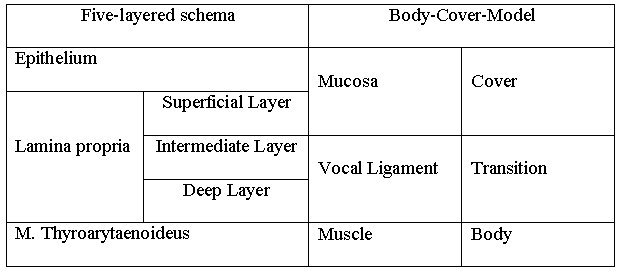
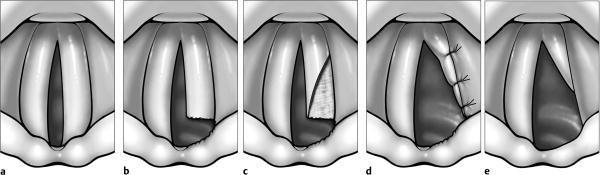
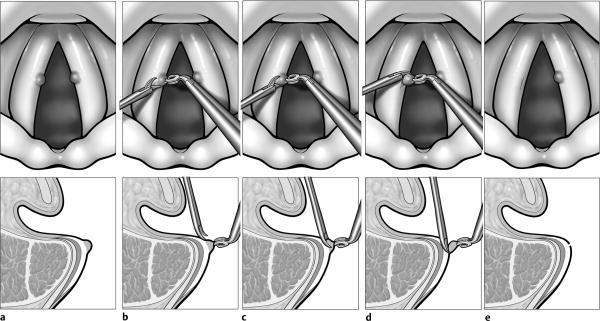
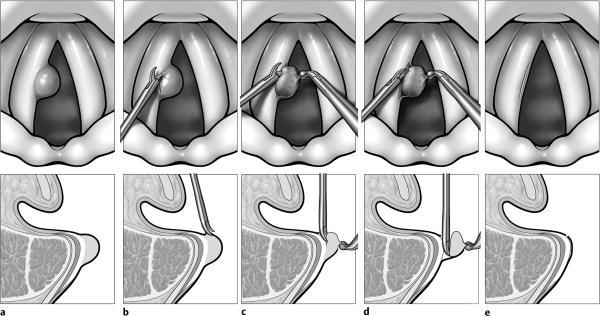
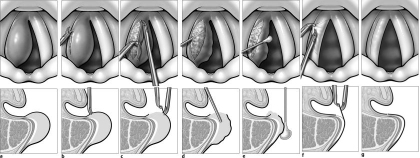
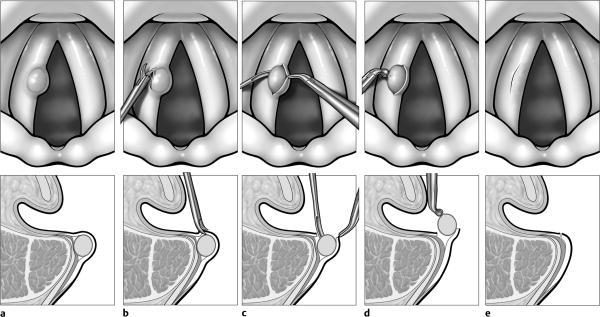
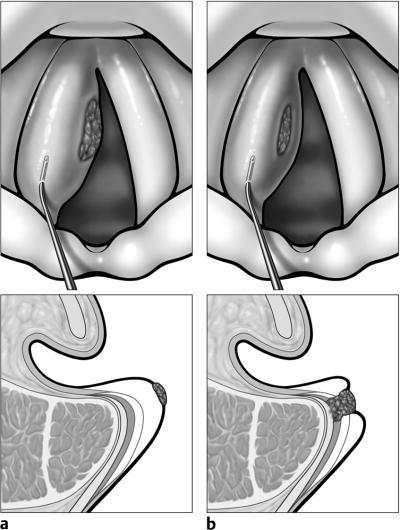
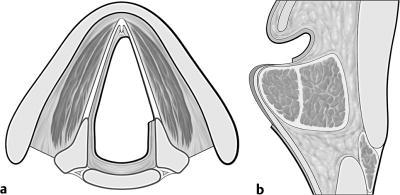
Surgical procedures for voice restoration serve to improve oral communication by better vocal function. They comprise of phonomicrosurgery, with direct and indirect access to the larynx; laryngoplasty; laryngeal injections; and surgical laryngeal reinnervation. The basis for modern surgical techniques for voice disorders is the knowledge about the ultrastructure of the vocal folds and the increasing experience of surgeons in voice surgery, while facing high social and professional demands on the voice. Vocal activity limitation and participation restriction has become more important in the artistic and social areas. A number of surgical methods that have been developed worldwide for this reason, are presented in this article. Functional oriented surgery has to meet high standards. The diagnostics of vocal function has to be multi-dimensional in order to determine the indication and the appropriate surgical intervention.
嗓音恢复的外科手术旨在通过改善发声功能来促进口语交流。这些手术包括可直接和间接进入喉部的显微喉手术、喉成形术、喉部注射以及外科喉再支配术。现代嗓音疾病外科技术的基础是对声带超微结构的了解以及外科医生在嗓音手术方面不断积累的经验,同时也面临着社会和职业对嗓音的高要求。在艺术和社交领域,嗓音活动受限和参与受限变得愈发重要。因此,本文介绍了全球范围内为此研发的多种外科手术方法。以功能为导向的手术必须达到高标准。嗓音功能的诊断必须是多维度的,以便确定手术适应症和合适的手术干预措施。