Astbury Centre for Structural Molecular Biology and Institute of Molecular and Cellular Biology, University of Leeds, Leeds, United Kingdom.
PLoS One. 2011;6(11):e27353. doi: 10.1371/journal.pone.0027353. Epub 2011 Nov 9.
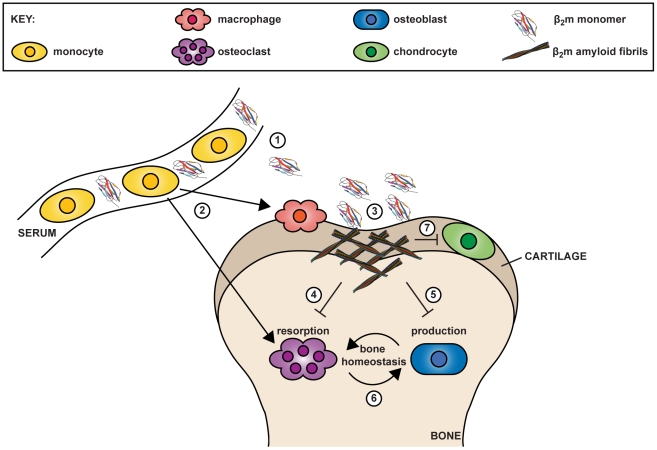
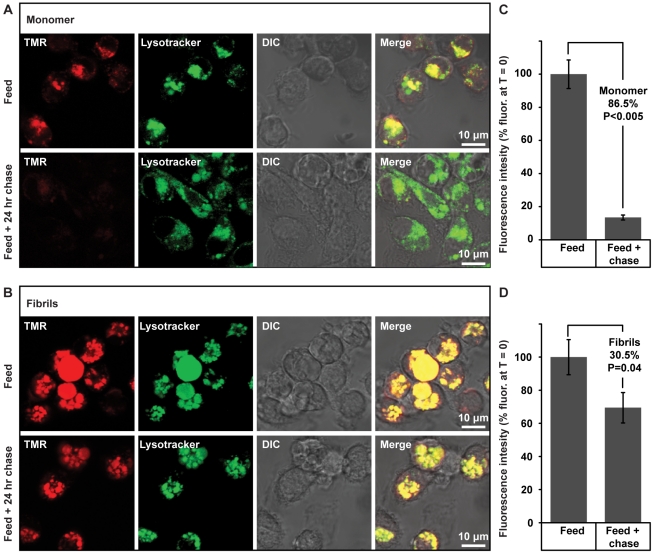
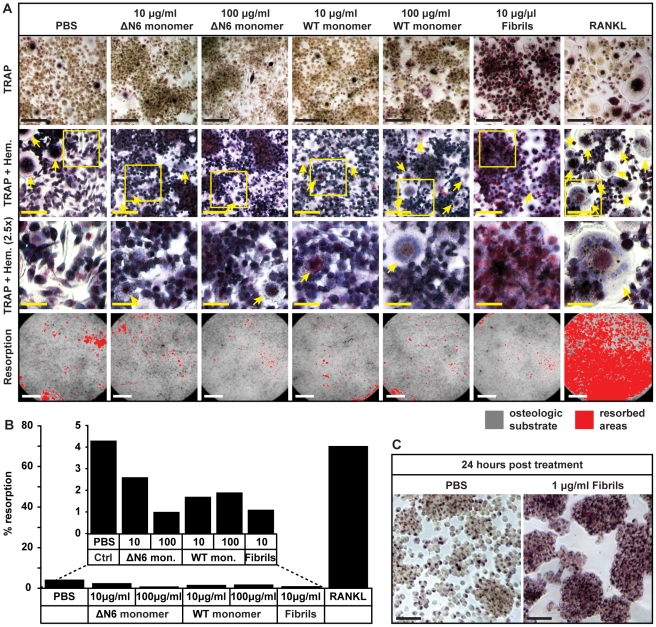
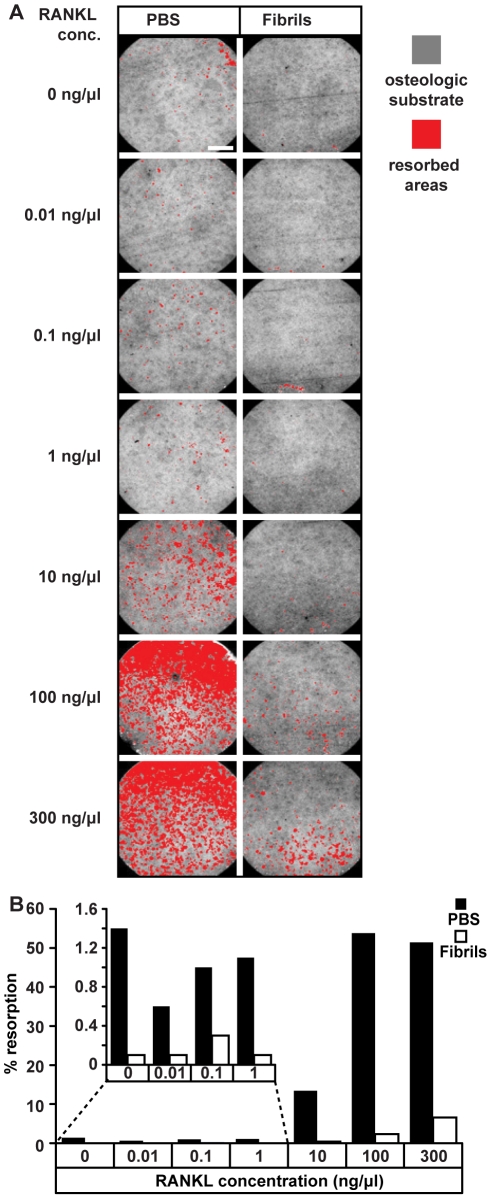
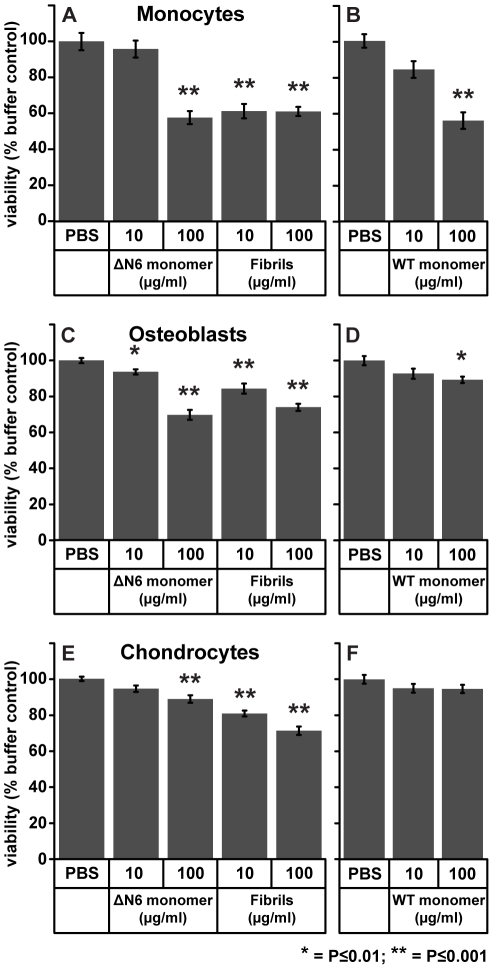
The formation of insoluble amyloid fibrils is associated with an array of devastating human diseases. Dialysis-related amyloidosis (DRA) is a severe complication of hemodialysis that results in the progressive destruction of the bones and joints. Elevated concentrations of β(2)-microglobulin (β(2)m) in the serum of subjects on hemodialysis promote the formation of amyloid fibrils in the osteoarticular tissues, but the cellular basis for the destruction of these tissues in DRA is poorly understood. In this study we performed a systematic analysis of the interaction of monomeric and fibrillar β(2)m with primary human cells of the types present in the synovial joints of subjects with DRA. Building upon observations that macrophages infiltrate β(2)m amyloid deposits in vivo we demonstrate that monocytes, the precursors of macrophages, cannot degrade β(2)m fibrils, and that both monomeric β(2)m and fibrillar β(2)m are cytotoxic to these cells. β(2)m fibrils also impair the formation of bone resorbing osteoclasts from monocytes and reduce the viability of osteoblasts, the cell type that produces bone. As a consequence, we predict that β(2)m amyloid will disrupt the remodelling of the bone, which is critical for the maintenance of this tissue. Moreover, we show that β(2)m fibrils reduce the viability of chondrocytes, rationalizing the loss of cartilage in DRA. Together, our observations demonstrate that β(2)m cytotoxicity has multiple cellular targets in the osteoarticular tissues and is likely to be a key factor in the bone and joint destruction characteristic of DRA.
不溶性淀粉样纤维的形成与一系列严重的人类疾病有关。透析相关淀粉样变性(DRA)是血液透析的一种严重并发症,可导致骨骼和关节的进行性破坏。血液透析患者血清中β(2)-微球蛋白(β(2)m)浓度升高,可促进骨与关节组织中淀粉样纤维的形成,但 DRA 中这些组织破坏的细胞基础知之甚少。在这项研究中,我们对单体和纤维β(2)m 与 DRA 患者关节滑膜中存在的主要人细胞之间的相互作用进行了系统分析。基于巨噬细胞浸润体内β(2)m 淀粉样沉积物的观察,我们证明单核细胞(巨噬细胞的前体)不能降解β(2)m 纤维,单体β(2)m 和纤维β(2)m 对这些细胞均具有细胞毒性。β(2)m 纤维还损害单核细胞向破骨细胞的形成,并降低成骨细胞(产生骨的细胞)的活力。因此,我们预测β(2)m 淀粉样蛋白将破坏骨的重塑,这对维持这种组织至关重要。此外,我们还表明β(2)m 纤维降低了软骨细胞的活力,这可以解释 DRA 中软骨的丧失。总之,我们的观察表明β(2)m 细胞毒性在骨与关节组织中有多个细胞靶标,并且可能是 DRA 中骨骼和关节破坏的关键因素。