Namendys-Silva Silvio A, González-Herrera María O, Texcocano-Becerra Julia, Herrera-Gómez Angel
Department of Critical Care Medicine, Instituto Nacional de Cancerología, 14080 Mexico City, Mexico.
Case Rep Med. 2011;2011:647528. doi: 10.1155/2011/647528. Epub 2011 Oct 29.
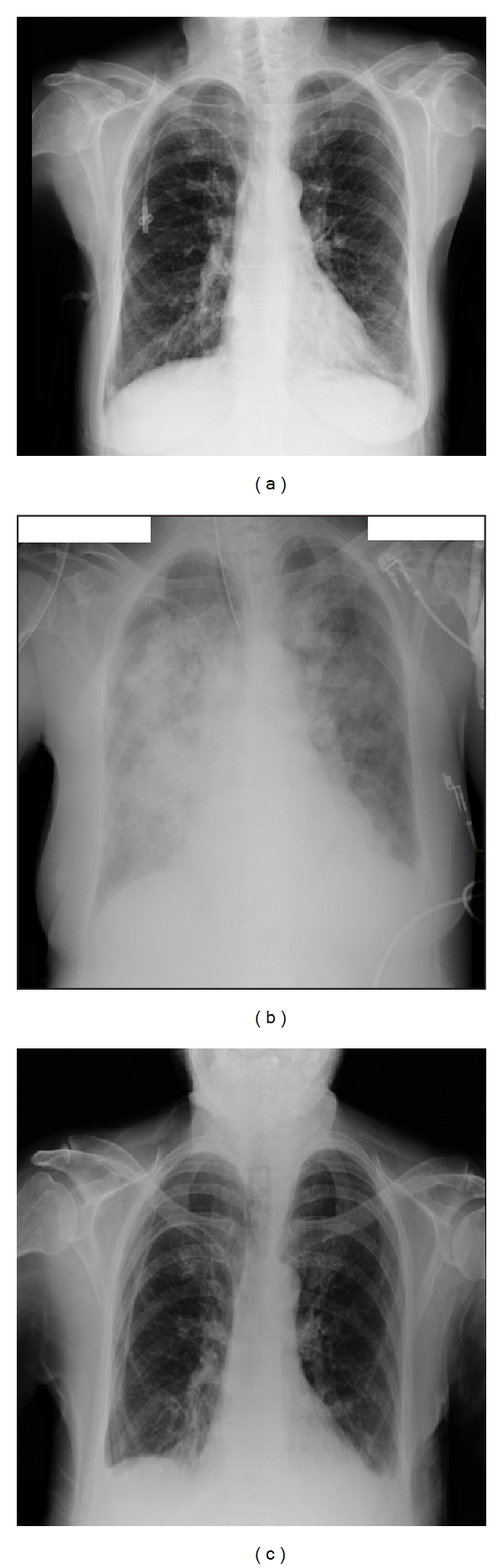
Influenza B virus infections are less common than infections caused by influenza A virus in critically ill patients, but similar mortality rates have been observed for both influenza types. Pneumonia caused by influenza B virus is uncommon and has been reported in pediatric patients and previously healthy adults. Critically ill patients with pneumonia caused by influenza virus may develop acute respiratory distress syndrome. We describe the clinical course of a critically ill patient with diffuse large B-cell lymphoma nongerminal center B-cell phenotype who developed acute respiratory distress syndrome caused by influenza B virus infection. This paper emphasizes the need to suspect influenza B virus infection in critically ill immunocompromised patients with progressive deterioration of cardiopulmonary function despite treatment with antibiotics. Early initiation of neuraminidase inhibitor and the implementation of guidelines for management of severe sepsis and septic shock should be considered.
在重症患者中,乙型流感病毒感染不如甲型流感病毒感染常见,但两种流感类型的死亡率相似。乙型流感病毒引起的肺炎并不常见,已在儿科患者和既往健康的成年人中报道过。由流感病毒引起肺炎的重症患者可能会发展为急性呼吸窘迫综合征。我们描述了一名患有弥漫性大B细胞淋巴瘤非生发中心B细胞表型的重症患者的临床病程,该患者因乙型流感病毒感染而发展为急性呼吸窘迫综合征。本文强调,对于尽管接受了抗生素治疗但心肺功能仍逐渐恶化的重症免疫功能低下患者,需要怀疑乙型流感病毒感染。应考虑尽早开始使用神经氨酸酶抑制剂,并实施严重脓毒症和感染性休克的管理指南。