Department of Biology and State (China) Key Laboratory of Agrobiotechnology, The Chinese University of Hong Kong, Shatin, Hong Kong, PR China.
BMC Plant Biol. 2011 Dec 15;11:178. doi: 10.1186/1471-2229-11-178.
Accumulated evidence suggest that specific patterns of histone posttranslational modifications (PTMs) and their crosstalks may determine transcriptional outcomes. However, the regulatory mechanisms of these "histone codes" in plants remain largely unknown.
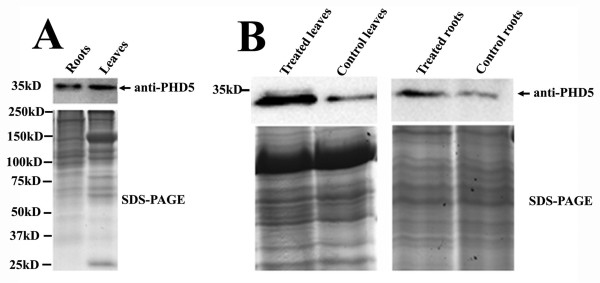
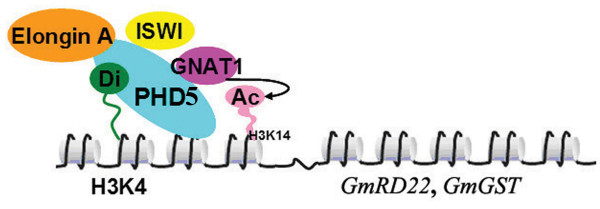
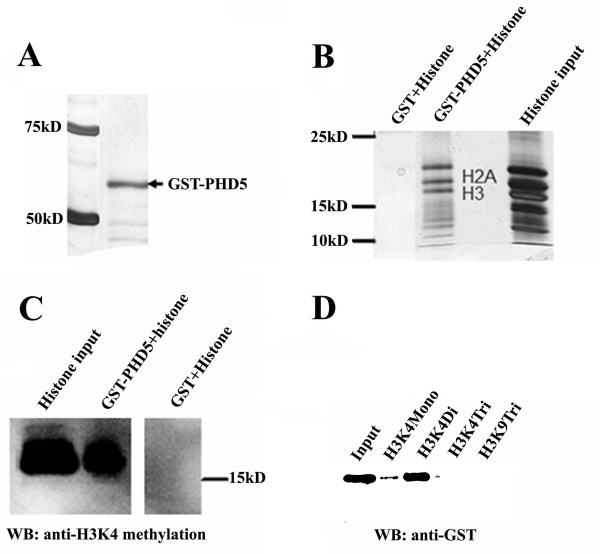
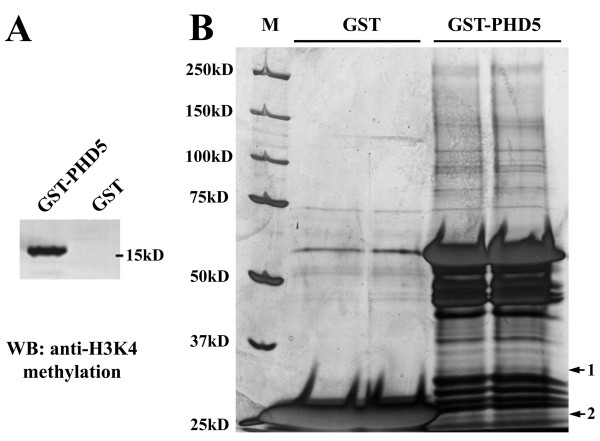
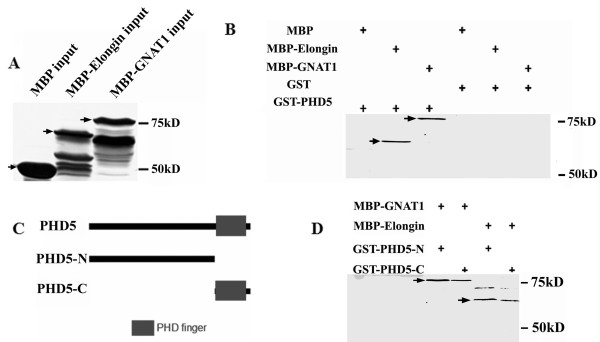
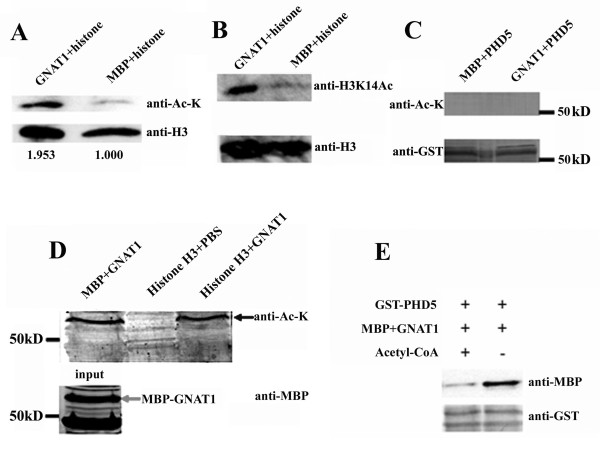
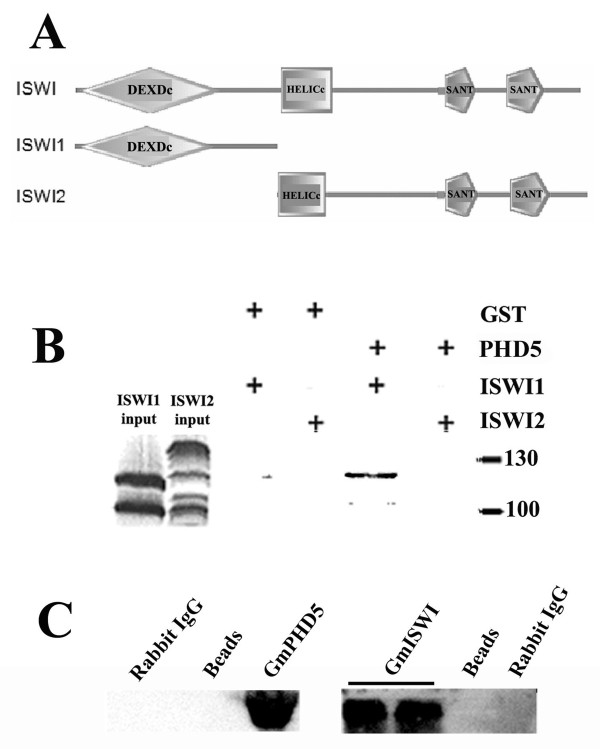
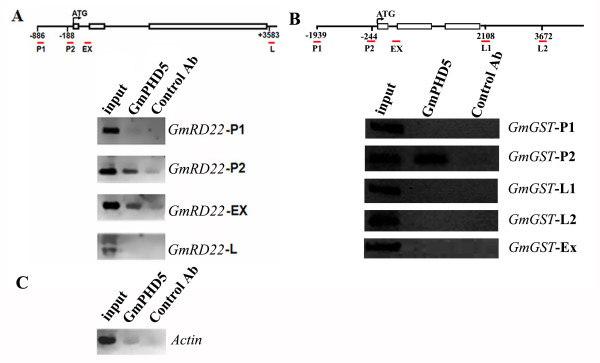
In this study, we demonstrate for the first time that a salinity stress inducible PHD (plant homeodomain) finger domain containing protein GmPHD5 can read the "histone code" underlying the methylated H3K4. GmPHD5 interacts with other DNA binding proteins, including GmGNAT1 (an acetyl transferase), GmElongin A (a transcription elongation factor) and GmISWI (a chromatin remodeling protein). Our results suggest that GmPHD5 can recognize specific histone methylated H3K4, with preference to di-methylated H3K4. Here, we illustrate that the interaction between GmPHD5 and GmGNAT1 is regulated by the self-acetylation of GmGNAT1, which can also acetylate histone H3. GmGNAT1 exhibits a preference toward acetylated histone H3K14. These results suggest a histone crosstalk between methylated H3K4 and acetylated H3K14. Consistent to its putative roles in gene regulation under salinity stress, we showed that GmPHD5 can bind to the promoters of some confirmed salinity inducible genes in soybean.
Here, we propose a model suggesting that the nuclear protein GmPHD5 is capable of regulating the crosstalk between histone methylation and histone acetylation of different lysine residues. Nevertheless, GmPHD5 could also recruit chromatin remodeling factors and transcription factors of salt stress inducible genes to regulate their expression in response to salinity stress.
有证据表明,组蛋白翻译后修饰(PTMs)的特定模式及其相互作用可能决定转录结果。然而,这些“组蛋白密码”在植物中的调控机制在很大程度上仍是未知的。
在这项研究中,我们首次证明,一种盐胁迫诱导的含 PHD(植物同源结构域)指状结构域的蛋白 GmPHD5 可以读取甲基化 H3K4 下的“组蛋白密码”。GmPHD5 与其他 DNA 结合蛋白相互作用,包括 GmGNAT1(乙酰转移酶)、GmElongin A(转录延伸因子)和 GmISWI(染色质重塑蛋白)。我们的结果表明,GmPHD5 可以识别特定的组蛋白甲基化 H3K4,偏爱二甲基化 H3K4。在这里,我们说明 GmPHD5 与 GmGNAT1 的相互作用受 GmGNAT1 自身乙酰化的调节,GmGNAT1 也可以乙酰化组蛋白 H3。GmGNAT1 对乙酰化的 H3K14 表现出偏好。这些结果表明甲基化 H3K4 和乙酰化 H3K14 之间存在组蛋白相互作用。与它在盐胁迫下基因调控中的假定作用一致,我们表明 GmPHD5 可以与大豆中一些已确认的盐诱导基因的启动子结合。
在这里,我们提出了一个模型,表明核蛋白 GmPHD5 能够调节不同赖氨酸残基上组蛋白甲基化和组蛋白乙酰化之间的串扰。然而,GmPHD5 也可以招募盐胁迫诱导基因的染色质重塑因子和转录因子,以响应盐胁迫调节它们的表达。