Division of Biomedical Sciences, Research School of Biology, The Australian National University, Canberra, ACT 0200, Australia.
Stem Cells Int. 2011;2011:954275. doi: 10.4061/2011/954275. Epub 2011 Nov 15.
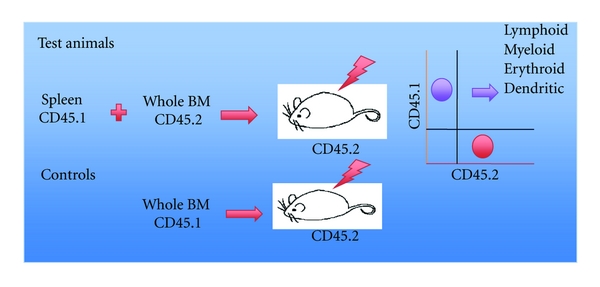
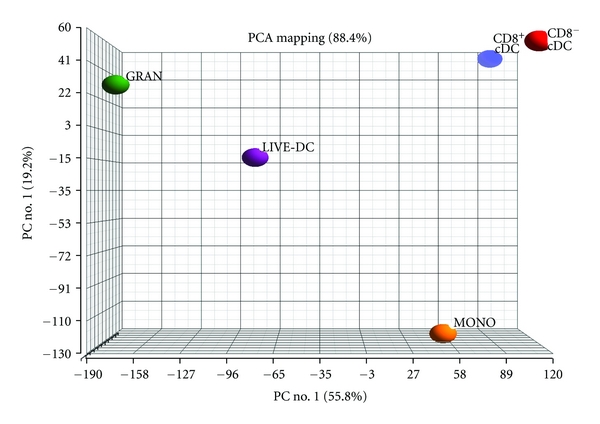
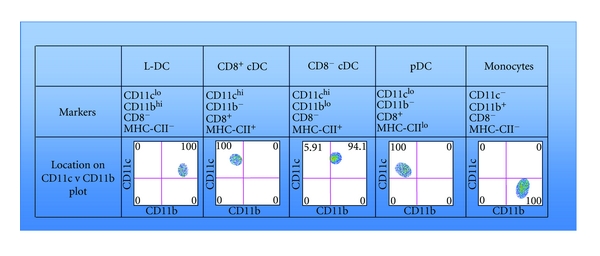
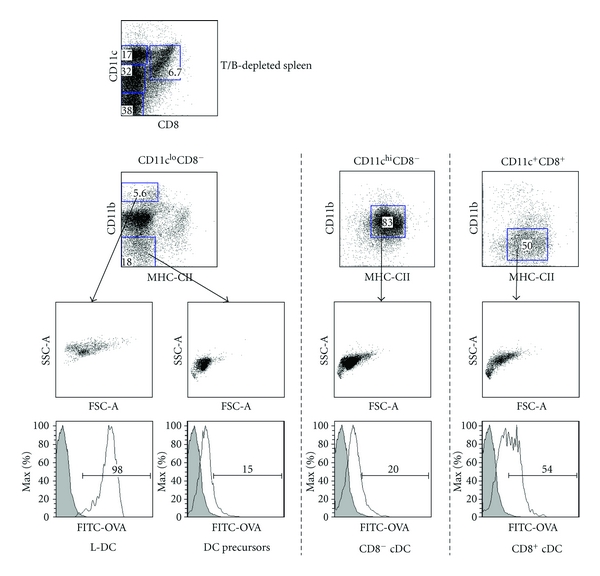
While spleen and other secondary tissue sites contribute to hematopoiesis, the nature of cells produced and the environment under which this happens are not fully defined. Evidence is reviewed here for hematopoiesis occurring in the spleen microenvironment leading to the production of tissue-specific antigen presenting cells. The novel dendritic-like cell identified in spleen is phenotypically and functionally distinct from other described antigen presenting cells. In order to identify these cells as distinct, it has been necessary to show that their lineage origin and progenitors differ from that of other known dendritic and myeloid cell types. The spleen therefore represents a distinct microenvironment for hematopoiesis of a novel myeloid cell arising from self-renewing hematopoietic stem cells (HSC) or progenitors endogenous to spleen.
虽然脾脏和其他次级组织部位有助于造血,但产生的细胞的性质和发生这种情况的环境尚未完全确定。本文回顾了在脾脏微环境中发生的造血作用,导致产生组织特异性抗原呈递细胞的证据。在脾脏中鉴定出的新型树突状样细胞在表型和功能上与其他描述的抗原呈递细胞不同。为了将这些细胞鉴定为不同的细胞,有必要表明它们的谱系起源和祖细胞与其他已知的树突状细胞和髓样细胞类型不同。因此,脾脏代表了一种独特的微环境,用于源自自我更新的造血干细胞(HSC)或脾脏内源性祖细胞的新型髓样细胞的造血。