Microbial Ecology Laboratory, Department of Microbiology and Ryan Institute, National University of Ireland, Galway (NUI, Galway), Galway, Ireland.
FEMS Microbiol Ecol. 2012 May;80(2):265-80. doi: 10.1111/j.1574-6941.2011.01284.x. Epub 2012 Jan 16.
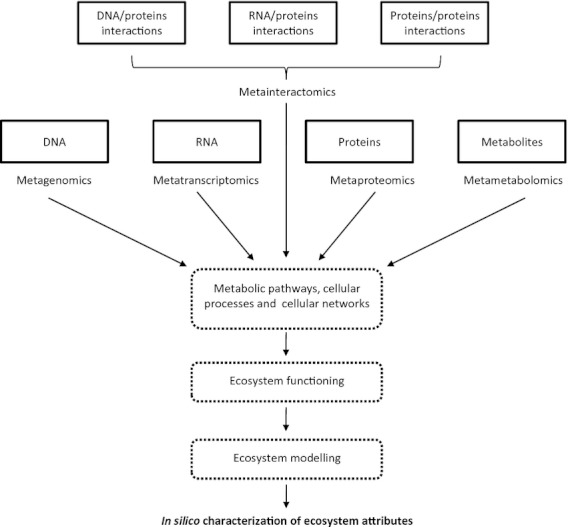
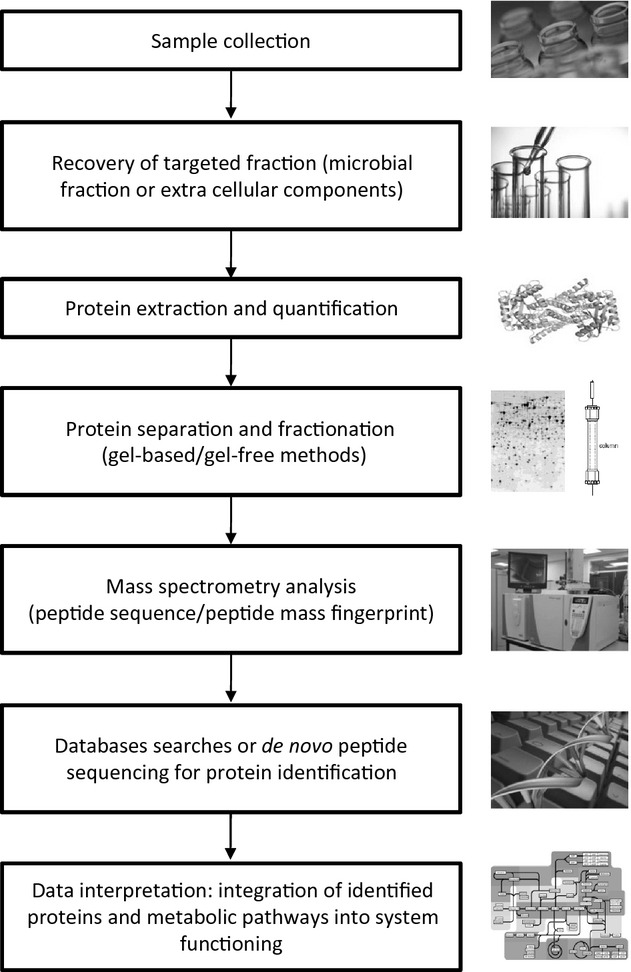
System approaches to elucidate ecosystem functioning constitute an emerging area of research within microbial ecology. Such approaches aim at investigating all levels of biological information (DNA, RNA, proteins and metabolites) to capture the functional interactions occurring in a given ecosystem and track down characteristics that could not be accessed by the study of isolated components. In this context, the study of the proteins collectively expressed by all the microorganisms present within an ecosystem (metaproteomics) is not only crucial but can also provide insights into microbial functionality. Overall, the success of metaproteomics is closely linked to metagenomics, and with the exponential increase in the availability of metagenome sequences, this field of research is starting to experience generation of an overwhelming amount of data, which requires systematic analysis. Metaproteomics has been employed in very diverse environments, and this review discusses the recent advances achieved in the context of human biology, soil, marine and freshwater environments as well as natural and bioengineered systems.
系统方法阐明生态系统功能是微生物生态学中一个新兴的研究领域。这些方法旨在研究所有生物信息(DNA、RNA、蛋白质和代谢物)水平,以捕捉给定生态系统中发生的功能相互作用,并追踪无法通过孤立成分研究获得的特征。在这种情况下,研究生态系统中所有微生物共同表达的蛋白质(宏蛋白质组学)不仅至关重要,而且还可以深入了解微生物功能。总体而言,宏蛋白质组学的成功与宏基因组学密切相关,随着宏基因组序列可用性的指数级增长,该研究领域开始面临数据量过大的问题,这需要系统的分析。宏蛋白质组学已经在非常多样化的环境中得到应用,本综述讨论了在人类生物学、土壤、海洋和淡水环境以及自然和生物工程系统背景下取得的最新进展。