Department of Pediatrics, Arkansas Children's Hospital Research Institute, University of Arkansas for Medical Sciences, Little Rock, AR 72202,USA.
Mol Psychiatry. 2013 Mar;18(3):369-81. doi: 10.1038/mp.2011.175. Epub 2012 Jan 10.
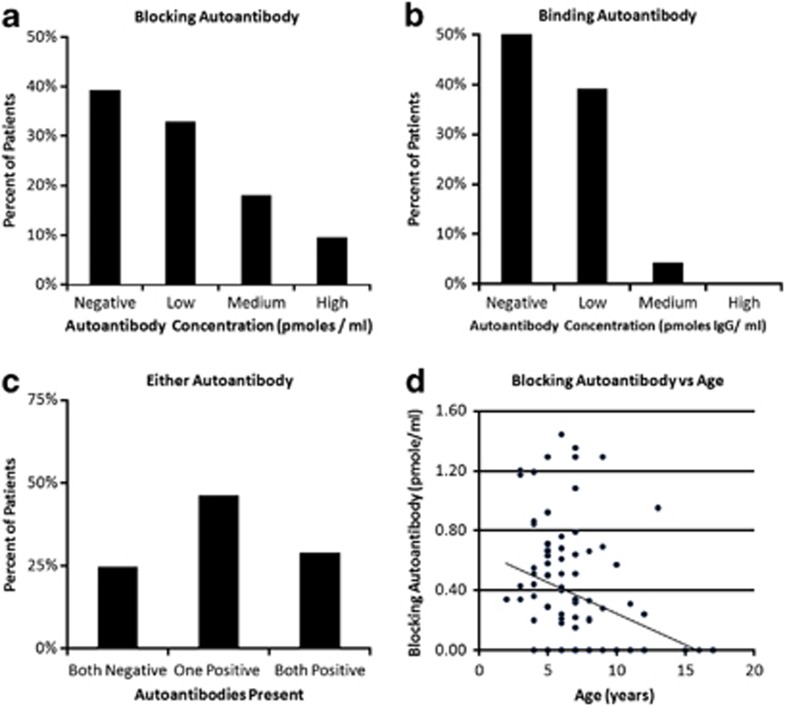
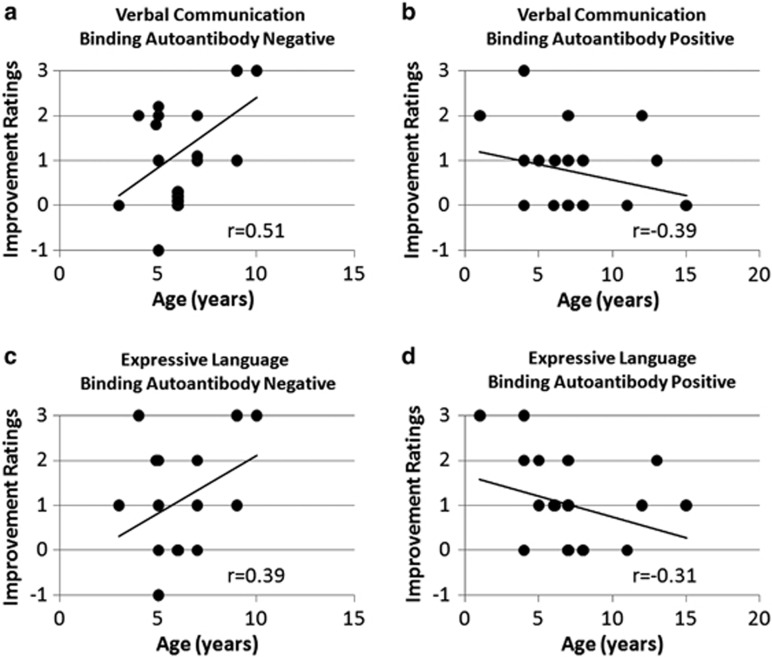
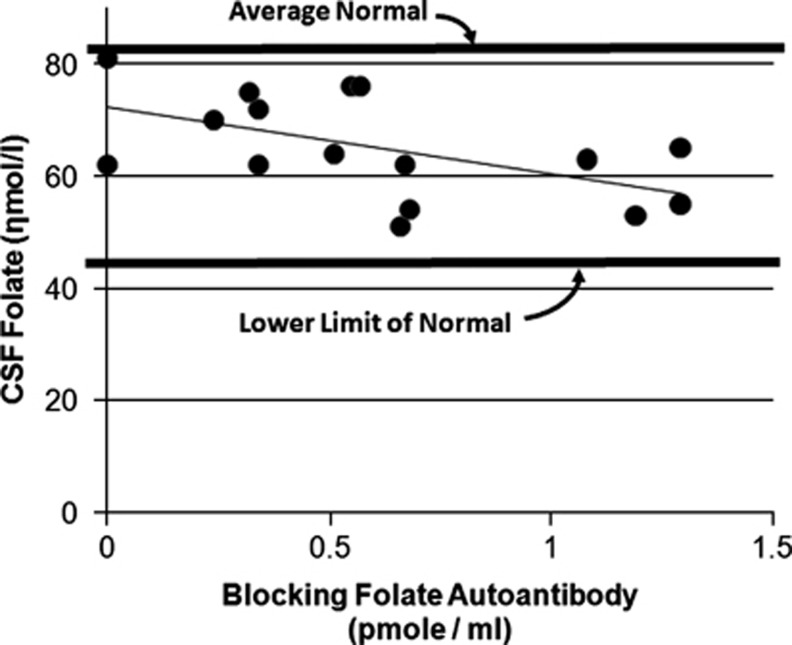
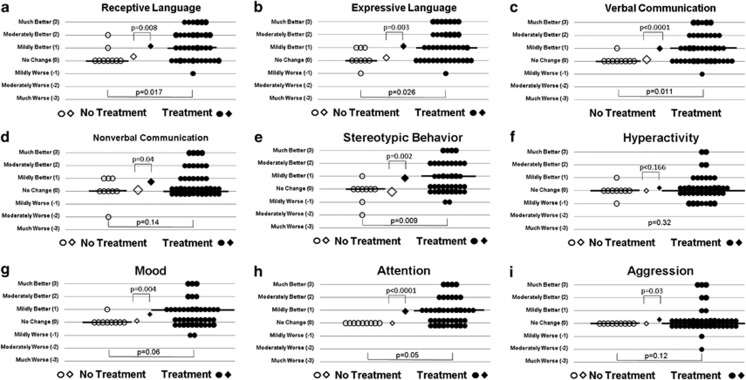
Cerebral folate deficiency (CFD) syndrome is a neurodevelopmental disorder typically caused by folate receptor autoantibodies (FRAs) that interfere with folate transport across the blood-brain barrier. Autism spectrum disorders (ASDs) and improvements in ASD symptoms with leucovorin (folinic acid) treatment have been reported in some children with CFD. In children with ASD, the prevalence of FRAs and the response to leucovorin in FRA-positive children has not been systematically investigated. In this study, serum FRA concentrations were measured in 93 children with ASD and a high prevalence (75.3%) of FRAs was found. In 16 children, the concentration of blocking FRA significantly correlated with cerebrospinal fluid 5-methyltetrahydrofolate concentrations, which were below the normative mean in every case. Children with FRAs were treated with oral leucovorin calcium (2 mg kg(-1) per day; maximum 50 mg per day). Treatment response was measured and compared with a wait-list control group. Compared with controls, significantly higher improvement ratings were observed in treated children over a mean period of 4 months in verbal communication, receptive and expressive language, attention and stereotypical behavior. Approximately one-third of treated children demonstrated moderate to much improvement. The incidence of adverse effects was low. This study suggests that FRAs may be important in ASD and that FRA-positive children with ASD may benefit from leucovorin calcium treatment. Given these results, empirical treatment with leucovorin calcium may be a reasonable and non-invasive approach in FRA-positive children with ASD. Additional studies of folate receptor autoimmunity and leucovorin calcium treatment in children with ASD are warranted.
脑叶酸缺乏(CFD)综合征是一种神经发育障碍,通常由叶酸受体自身抗体(FRAs)引起,这些抗体干扰叶酸穿过血脑屏障的转运。一些 CFD 患儿出现自闭症谱系障碍(ASD),并在用亚叶酸(叶酸类似物)治疗后 ASD 症状得到改善。在 ASD 患儿中,尚未系统研究 FRAs 的患病率以及 FRAs 阳性患儿对亚叶酸的反应。在这项研究中,测量了 93 名 ASD 患儿的血清 FRA 浓度,发现 FRAs 的患病率很高(75.3%)。在 16 名儿童中,阻断 FRA 的浓度与脑脊液 5-甲基四氢叶酸浓度显著相关,所有病例的脑脊液 5-甲基四氢叶酸浓度均低于正常值。FRAs 阳性患儿接受口服亚叶酸钙(2 mg/kg/天;每天最大 50 mg)治疗。测量治疗反应并与等待名单对照组进行比较。与对照组相比,在平均 4 个月的治疗期间,接受治疗的儿童在言语交流、接受性和表达性语言、注意力和刻板行为方面的改善评分明显更高。约三分之一的治疗儿童表现出中度至明显改善。不良事件发生率较低。这项研究表明,FRAs 可能在 ASD 中很重要,并且 FRAs 阳性 ASD 患儿可能受益于亚叶酸钙治疗。鉴于这些结果,在 FRAs 阳性 ASD 患儿中进行经验性亚叶酸钙治疗可能是一种合理且非侵入性的方法。有必要进一步研究儿童叶酸受体自身免疫和亚叶酸钙治疗。