Synta Pharmaceuticals Corp., Lexington, Massachusetts, United States of America.
PLoS One. 2012;7(1):e29798. doi: 10.1371/journal.pone.0029798. Epub 2012 Jan 11.
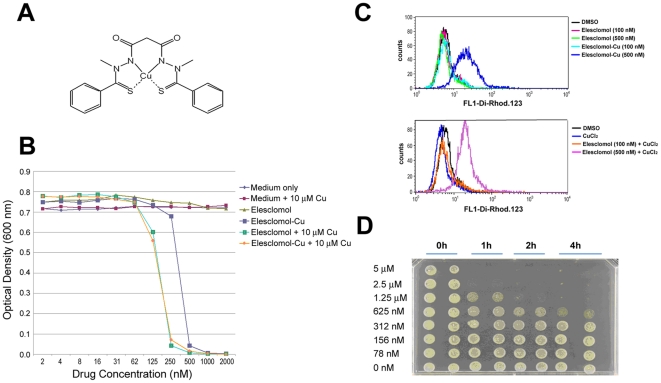
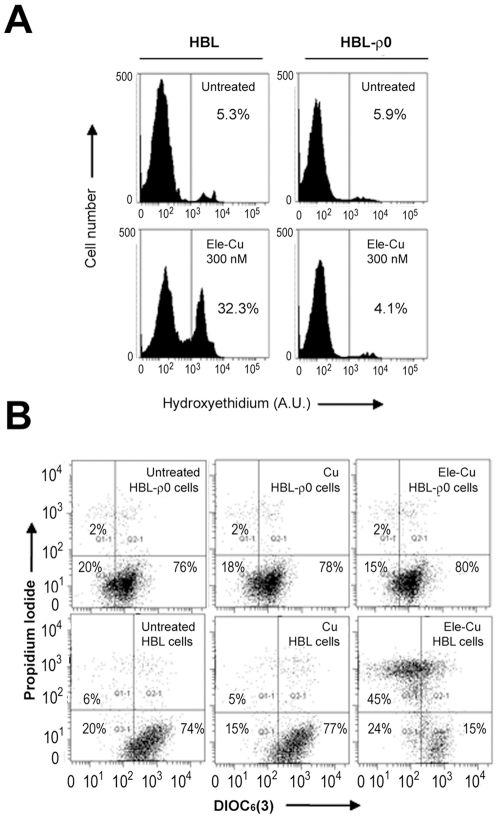
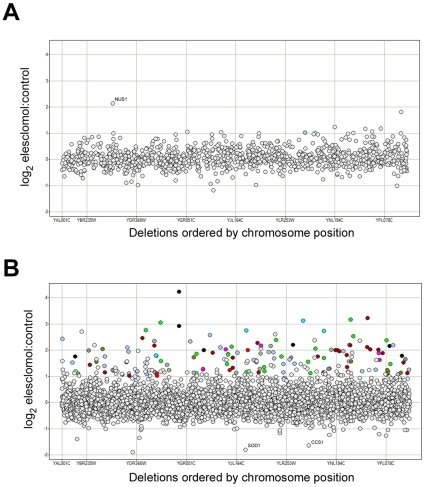
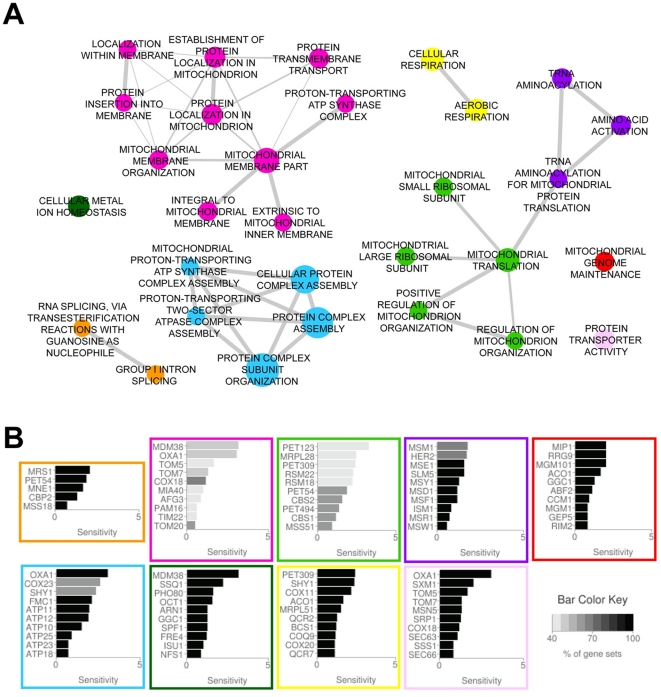
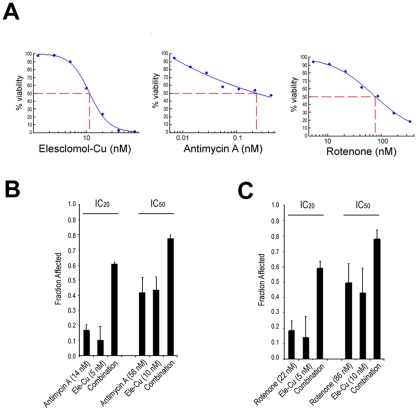
Elesclomol is a first-in-class investigational drug currently undergoing clinical evaluation as a novel cancer therapeutic. The potent antitumor activity of the compound results from the elevation of reactive oxygen species (ROS) and oxidative stress to levels incompatible with cellular survival. However, the molecular target(s) and mechanism by which elesclomol generates ROS and subsequent cell death were previously undefined. The cellular cytotoxicity of elesclomol in the yeast S. cerevisiae appears to occur by a mechanism similar, if not identical, to that in cancer cells. Accordingly, here we used a powerful and validated technology only available in yeast that provides critical insights into the mechanism of action, targets and processes that are disrupted by drug treatment. Using this approach we show that elesclomol does not work through a specific cellular protein target. Instead, it targets a biologically coherent set of processes occurring in the mitochondrion. Specifically, the results indicate that elesclomol, driven by its redox chemistry, interacts with the electron transport chain (ETC) to generate high levels of ROS within the organelle and consequently cell death. Additional experiments in melanoma cells involving drug treatments or cells lacking ETC function confirm that the drug works similarly in human cancer cells. This deeper understanding of elesclomol's mode of action has important implications for the therapeutic application of the drug, including providing a rationale for biomarker-based stratification of patients likely to respond in the clinical setting.
依立洛莫尔是一种首创的研究性药物,目前正在进行临床评估,作为一种新型癌症治疗药物。该化合物具有很强的抗肿瘤活性,其原因是活性氧(ROS)和氧化应激水平升高到与细胞存活不相容的水平。然而,以前还没有定义依立洛莫尔产生 ROS 和随后的细胞死亡的分子靶标(s)和机制。依立洛莫尔在酵母 S. cerevisiae 中的细胞毒性似乎通过一种与癌细胞中相似(如果不是相同)的机制发生。因此,在这里我们使用了一种在酵母中才有的强大且经过验证的技术,该技术为药物作用机制、靶点和受药物治疗破坏的过程提供了关键的见解。使用这种方法,我们表明依立洛莫尔不是通过特定的细胞蛋白靶标起作用。相反,它针对的是一组在生物上一致的发生在线粒体中的过程。具体来说,结果表明,依立洛莫尔通过其氧化还原化学作用与电子传递链(ETC)相互作用,在细胞器内产生高水平的 ROS,并因此导致细胞死亡。在黑色素瘤细胞中进行的涉及药物治疗或缺乏 ETC 功能的细胞的额外实验证实,该药物在人类癌细胞中的作用类似。对依立洛莫尔作用模式的更深入了解对该药物的治疗应用具有重要意义,包括为基于生物标志物的患者分层提供了在临床环境中可能有反应的患者的基本原理。