Department of Cancer Biology, Thomas Jefferson University, Philadelphia, Pennsylvania 19107, USA.
Cancer Res. 2012 Mar 1;72(5):1248-59. doi: 10.1158/0008-5472.CAN-11-0943. Epub 2012 Jan 18.
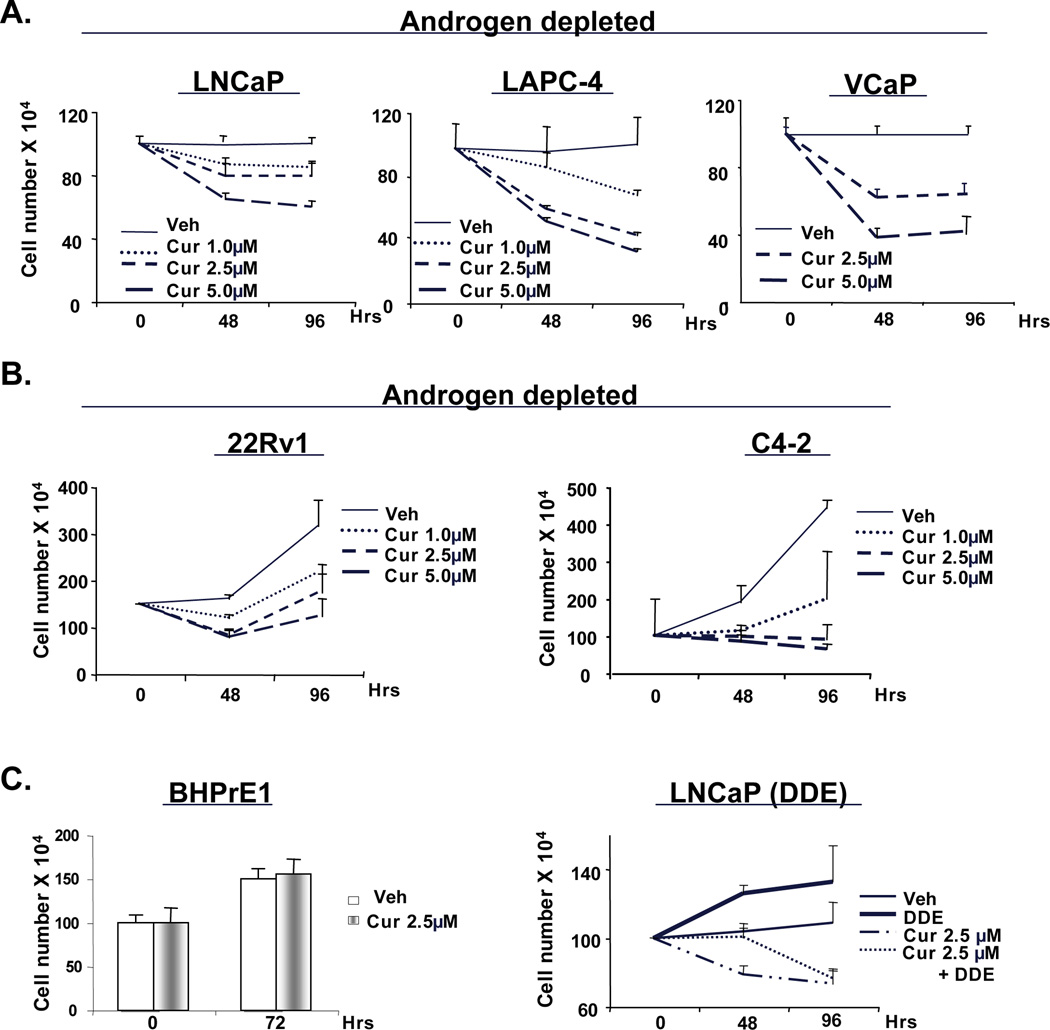
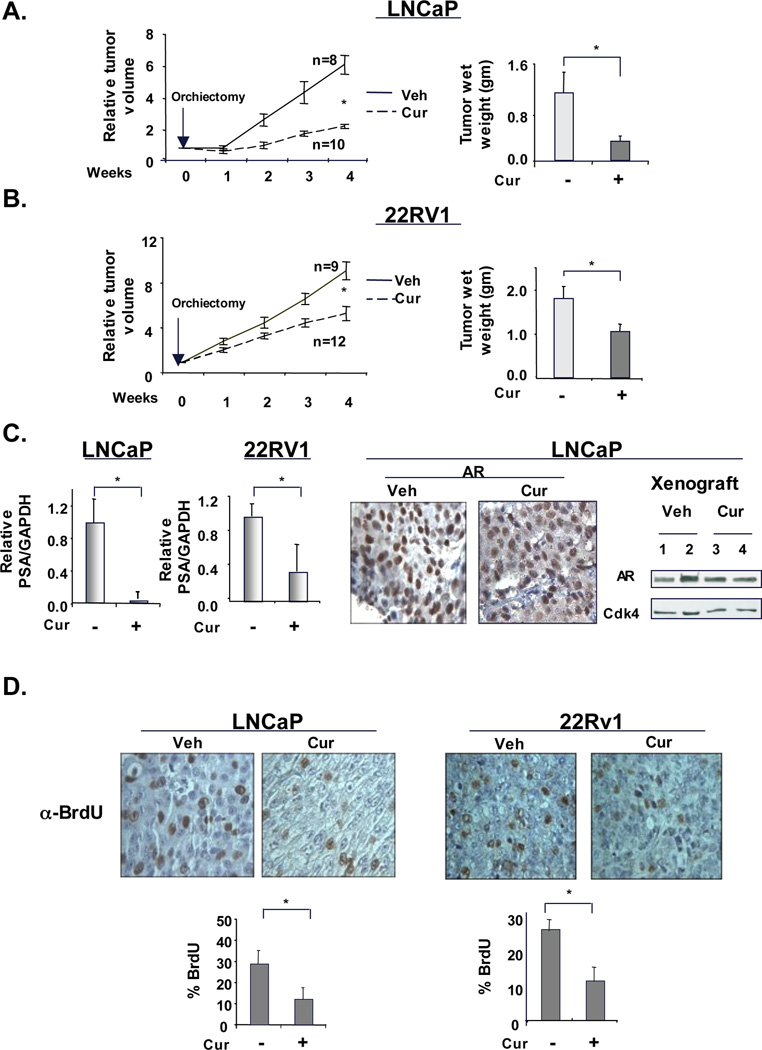
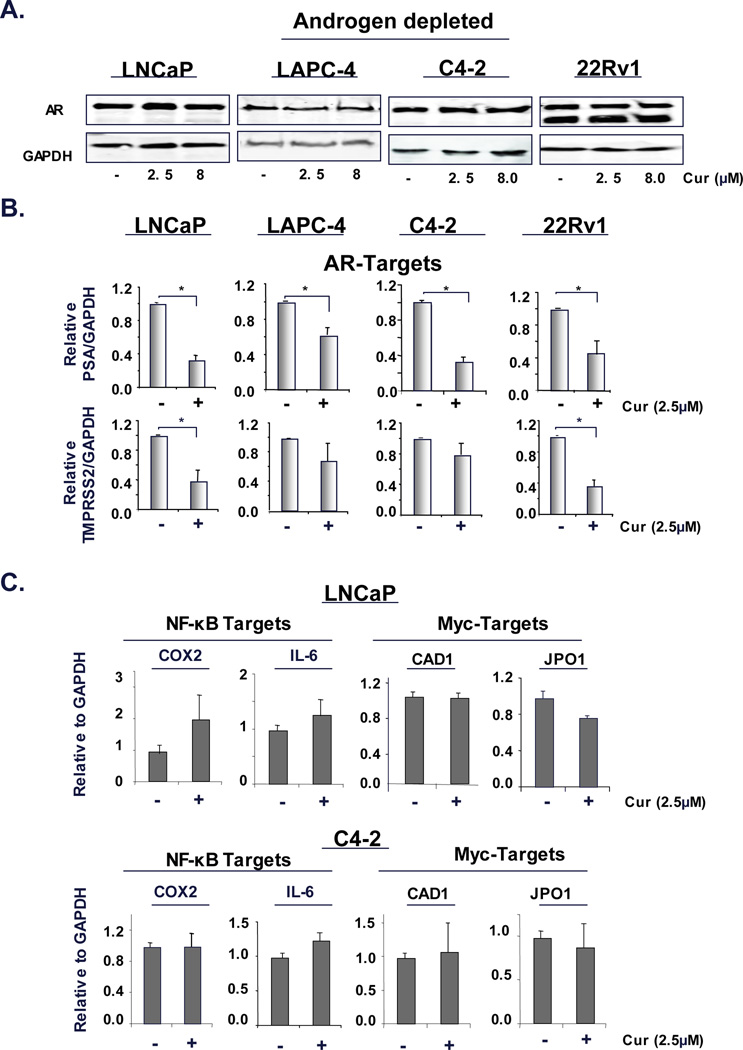
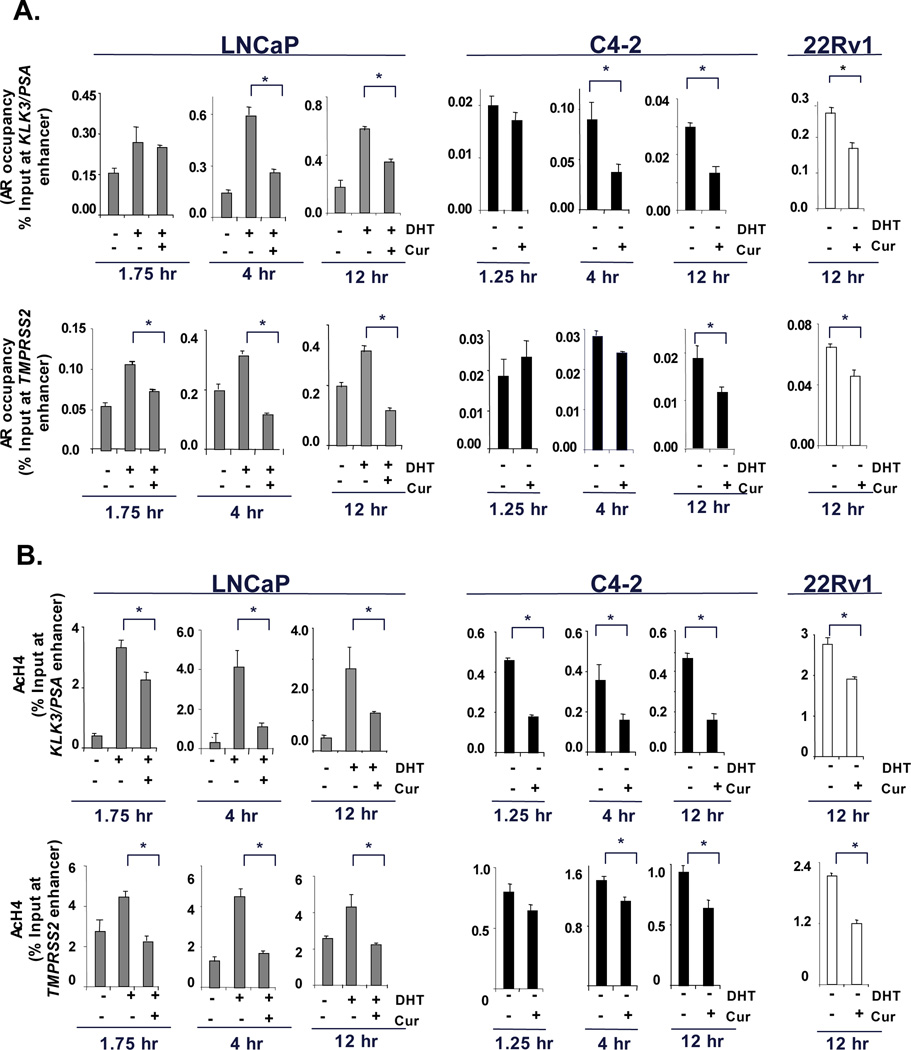
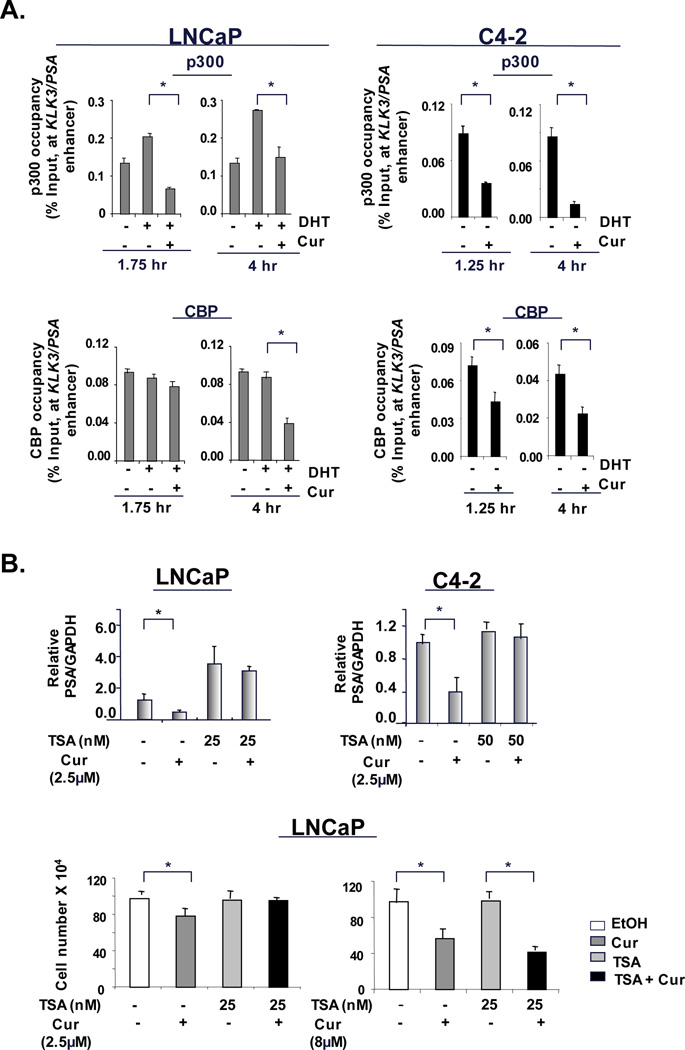
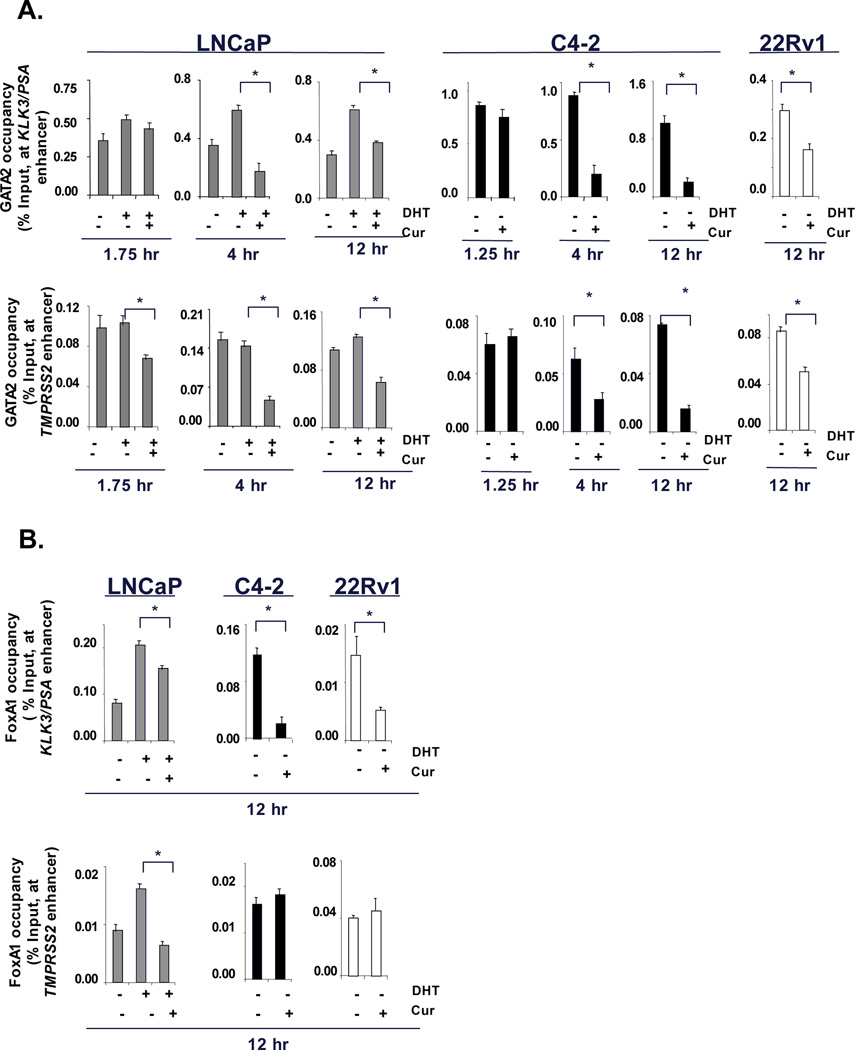
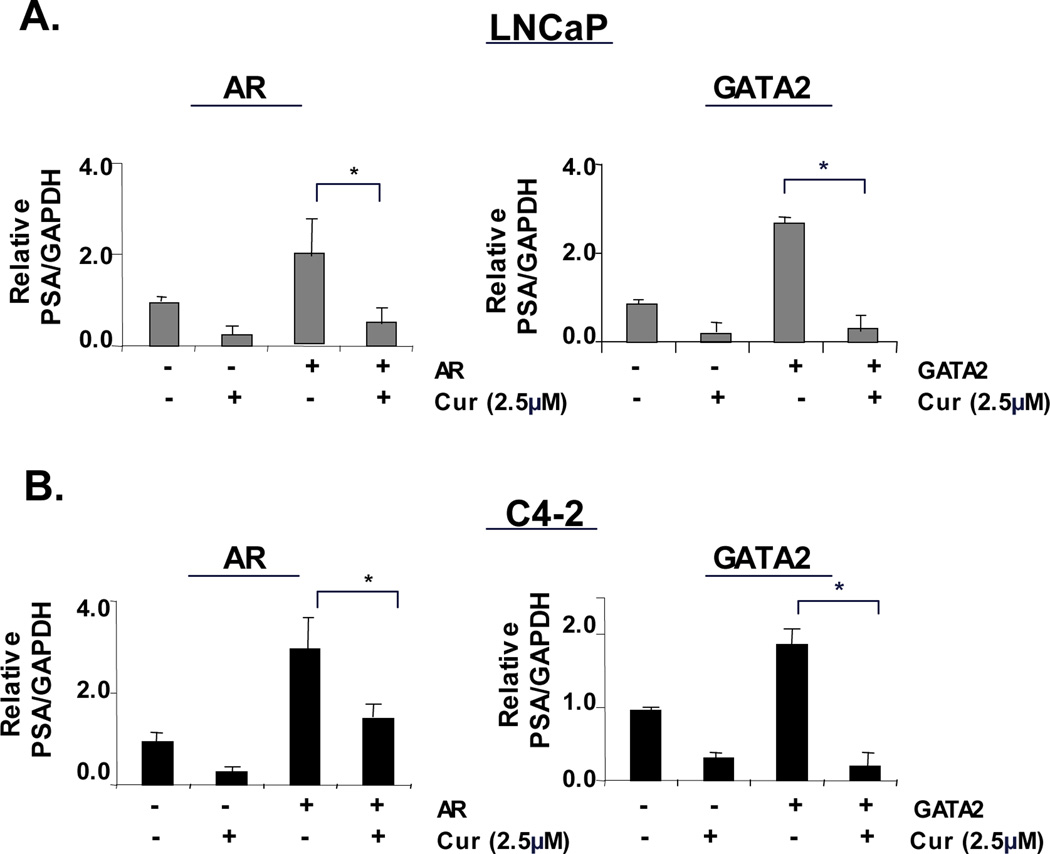
Nuclear receptors and pioneer factors drive the development and progression of prostate cancer. In this disease, aggressive disease phenotypes and hormone therapy failures result from resurgent activity of androgen receptor (AR) and the upregulation of coactivator protein p300 and pioneer factors (e.g., GATA2 and FOXA1). Thus, a major emphasis in the field is to identify mechanisms by which castrate-resistant AR activity and pioneer factor function can be combinatorially suppressed. Here we show that the turmeric spice isoflavone curcumin suppresses p300 and CBP occupancy at sites of AR function. Curcumin reduced the association of histone acetylation and pioneer factors, thereby suppressing AR residence and downstream target gene expression. Histone deacetylase inhibitors reversed the effects of curcumin on AR activity, further underscoring the impact of curcumin on altering the chromatin landscape. These functions precluded pioneer factor occupancy, leading ultimately to a suppression of ligand-dependent and ligand-independent AR residence on chromatin. Moreover, these functions were conserved even in cells with heightened pioneer factor activity, thus identifying a potential strategy to manage this subclass of tumors. Biological relevance was further identified using in vivo xenograft models mimicking disease progression. Curcumin cooperated in vivo with androgen deprivation as indicated by a reduction in tumor growth and delay to the onset of castrate-resistant disease. Together, our results show the combinatorial impact of targeting AR and histone modification in prostate cancer, thus setting the stage for further development of curcumin as a novel agent to target AR signaling.
核受体和先驱因子驱动前列腺癌的发生和发展。在这种疾病中,雄激素受体 (AR) 活性的重新激活以及共激活蛋白 p300 和先驱因子 (如 GATA2 和 FOXA1) 的上调导致侵袭性疾病表型和激素治疗失败。因此,该领域的一个主要重点是确定可以联合抑制去势抵抗性 AR 活性和先驱因子功能的机制。在这里,我们表明姜黄香料姜黄素抑制 AR 功能部位的 p300 和 CBP 占据。姜黄素降低了组蛋白乙酰化和先驱因子的结合,从而抑制了 AR 居留和下游靶基因表达。组蛋白去乙酰化酶抑制剂逆转了姜黄素对 AR 活性的影响,进一步强调了姜黄素对改变染色质景观的影响。这些功能阻止了先驱因子的占据,最终导致配体依赖性和配体非依赖性 AR 驻留在染色质上的抑制。此外,即使在先驱因子活性增强的细胞中,这些功能也得到了保留,从而确定了管理这种肿瘤亚类的潜在策略。使用模拟疾病进展的体内异种移植模型进一步确定了生物学相关性。姜黄素与雄激素剥夺在体内协同作用,表现为肿瘤生长减少和去势抵抗性疾病发作延迟。总之,我们的研究结果表明靶向 AR 和组蛋白修饰在前列腺癌中的联合影响,从而为进一步开发姜黄素作为靶向 AR 信号的新型药物奠定了基础。