Sogut Ozgur, Kaya Halil, Gokdemir Mehmet Tahir, Sezen Yusuf
Department of Emergency Medicine, Harran University, Sanliurfa, Turkey.
Int J Emerg Med. 2012 Jan 20;5:5. doi: 10.1186/1865-1380-5-5.
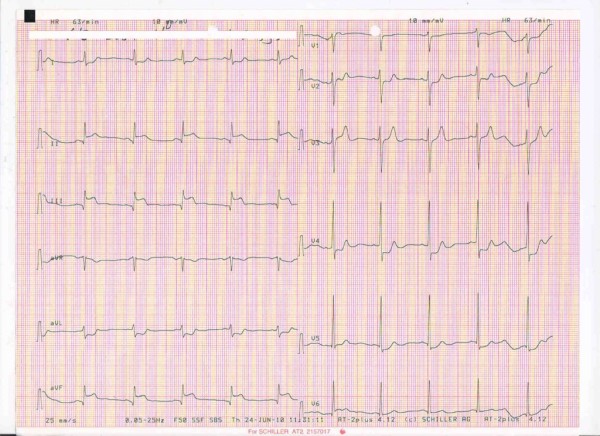
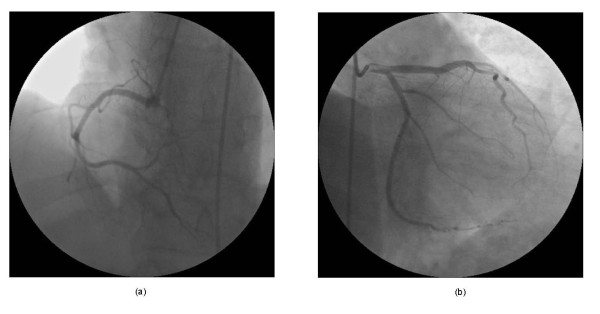
Capsaicin, one of the major active components of cayenne pepper pills, is an over-the-counter substance with sympathomimetic activity used commonly by young individuals for weight loss. Here we report the case of a previously healthy young male who developed severe chest pain after using cayenne pepper pills for slimming and sustained an extensive inferior myocardial infarction. Electrocardiography combined with a bedside transthoracic echocardiogram confirmed the diagnosis of acute myocardial infarction. The patient denied using illicit substances, and he had no risk factors for coronary artery disease. His medication history revealed that he had recently started taking cayenne pepper pills for slimming. A subsequent coronary angiogram revealed patent coronary arteries, suggesting that the mechanism was vasospasm. We postulate that the patient developed acute coronary vasospasm and a myocardial infarction in the presence of this known sympathomimetic agent. This case highlights the potential danger of capsaicin, even when used by otherwise healthy individuals.
辣椒素是辣椒丸的主要活性成分之一,是一种具有拟交感神经活性的非处方药,年轻人常用其来减肥。在此,我们报告一例既往健康的年轻男性病例,该患者在服用辣椒丸减肥后出现严重胸痛,并发生大面积下壁心肌梗死。心电图结合床旁经胸超声心动图确诊为急性心肌梗死。患者否认使用非法药物,且无冠状动脉疾病的危险因素。其用药史显示,他最近开始服用辣椒丸以减肥。随后的冠状动脉造影显示冠状动脉通畅,提示机制为血管痉挛。我们推测,在这种已知的拟交感神经药物存在的情况下,患者发生了急性冠状动脉痉挛和心肌梗死。该病例突出了辣椒素的潜在危险,即使是健康个体使用时也存在风险。