Institut Pasteur, Viruses and RNA interference Group and Centre National de la Recherche Scientifique URA 3015, Paris, France.
PLoS One. 2012;7(1):e30861. doi: 10.1371/journal.pone.0030861. Epub 2012 Jan 24.
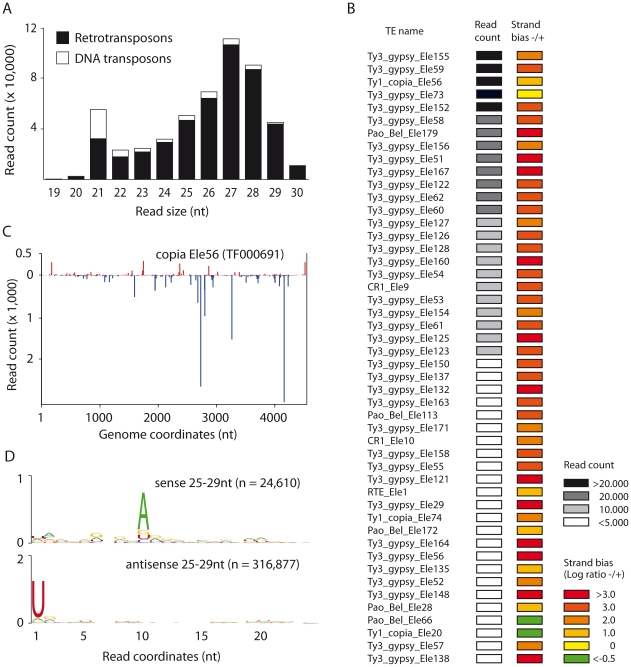
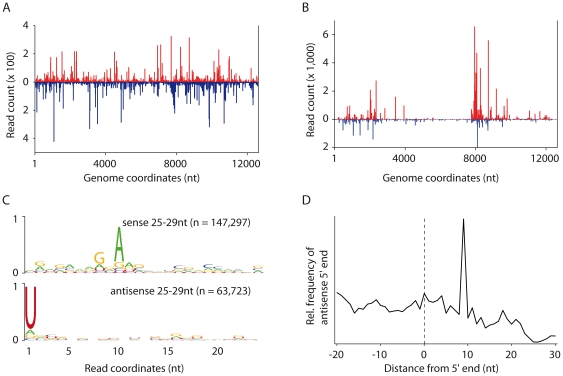
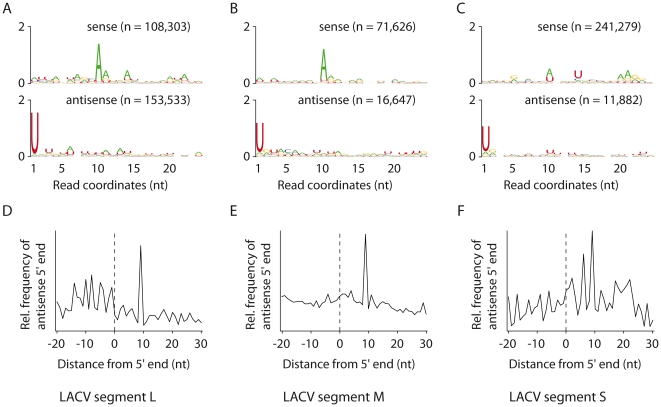
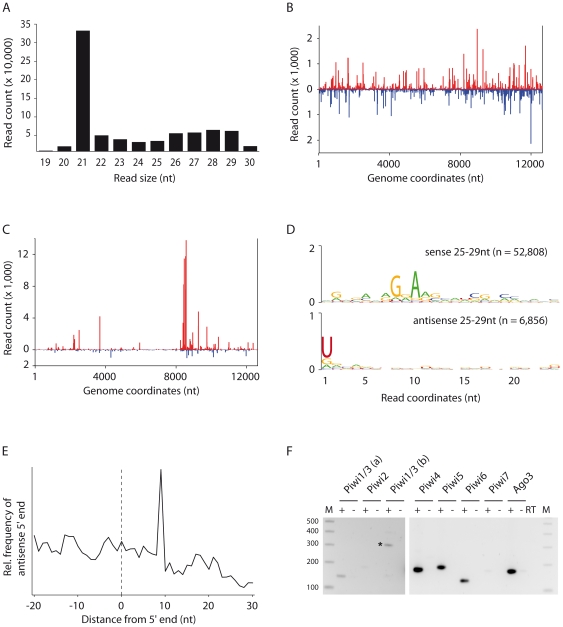
The siRNA pathway is an essential antiviral mechanism in insects. Whether other RNA interference pathways are involved in antiviral defense remains unclear. Here, we report in cells derived from the two main vectors for arboviruses, Aedes albopictus and Aedes aegypti, the production of viral small RNAs that exhibit the hallmarks of ping-pong derived piwi-associated RNAs (piRNAs) after infection with positive or negative sense RNA viruses. Furthermore, these cells produce endogenous piRNAs that mapped to transposable elements. Our results show that these mosquito cells can initiate de novo piRNA production and recapitulate the ping-pong dependent piRNA pathway upon viral infection. The mechanism of viral-piRNA production is discussed.
siRNA 通路是昆虫中一种重要的抗病毒机制。其他 RNA 干扰通路是否参与抗病毒防御尚不清楚。在这里,我们在源自两种主要虫媒病毒(登革热病毒和寨卡病毒)载体的细胞中报告了,在感染正链或负链 RNA 病毒后,会产生具有乒乓衍生 piRNA 特征的病毒小 RNA。此外,这些细胞还产生了定位于转座元件的内源性 piRNA。我们的结果表明,这些蚊子细胞可以启动从头 piRNA 产生,并在病毒感染时重现依赖乒乓的 piRNA 通路。还讨论了病毒 piRNA 产生的机制。