Department of Biological Sciences, University of Maryland Baltimore County, MD, USA.
Prostate. 2012 Jul 1;72(10):1045-51. doi: 10.1002/pros.22490. Epub 2012 Feb 1.
Genetically engineered mouse models play important roles in analyses of prostate development and pathobiology. While constitutive genetic gain- and loss-of-function models have contributed significantly to our understanding of molecular events driving these processes, the availability of a tightly regulated inducible expression system could extend the utility of transgenic approaches. Here, we describe the development of a Tet-regulatory system that employs Hoxb13 transcriptional control elements to direct reverse tetracycline transactivator (rtTA) expression in the prostate.
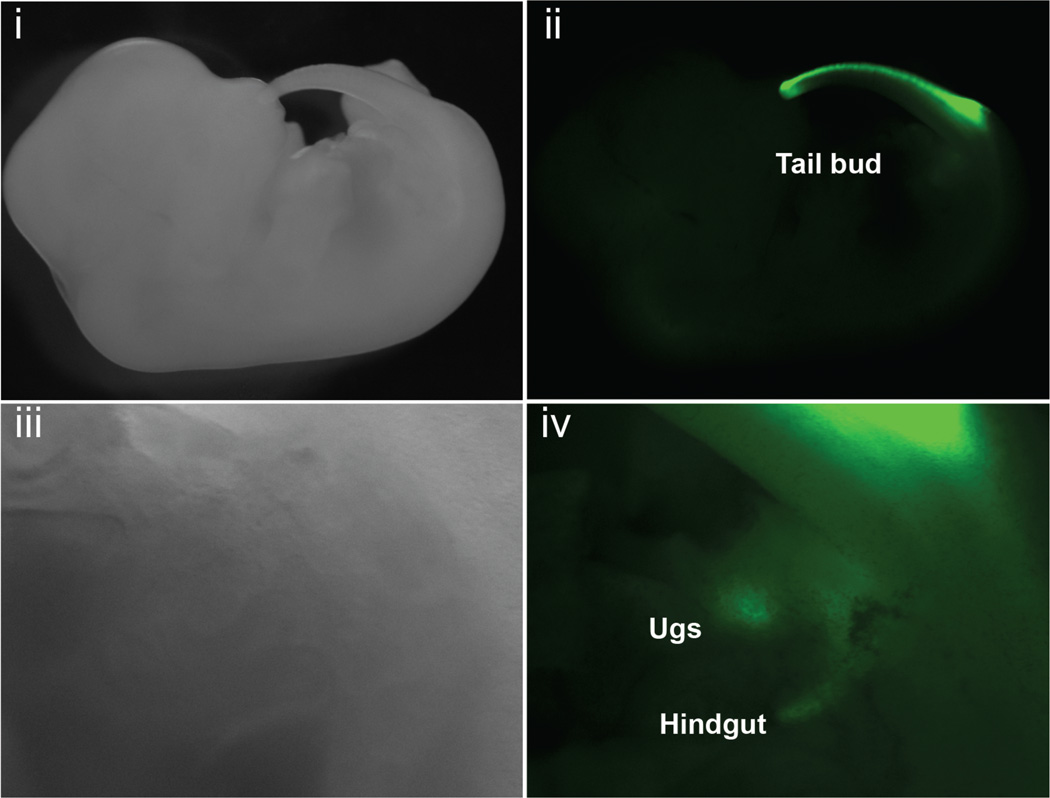
Using recombineering technology, the rtTA gene was placed under Hoxb13 cis-regulatory transcriptional control in the context of a 218-kb bacterial artificial chromosome. F(1) offspring carrying the Hoxb13-rtTA transgene were bred to a Tetracycline operator-Histone 2B-Green Fluorescent Protein (TetO-H2BGFP) responder line. Detailed reporter gene expression analyses, including doxycycline (Dox) induction and withdrawal kinetics, were performed in Hoxb13-rtTA|TetO-H2BGFP double transgenic adult mice and embryos.
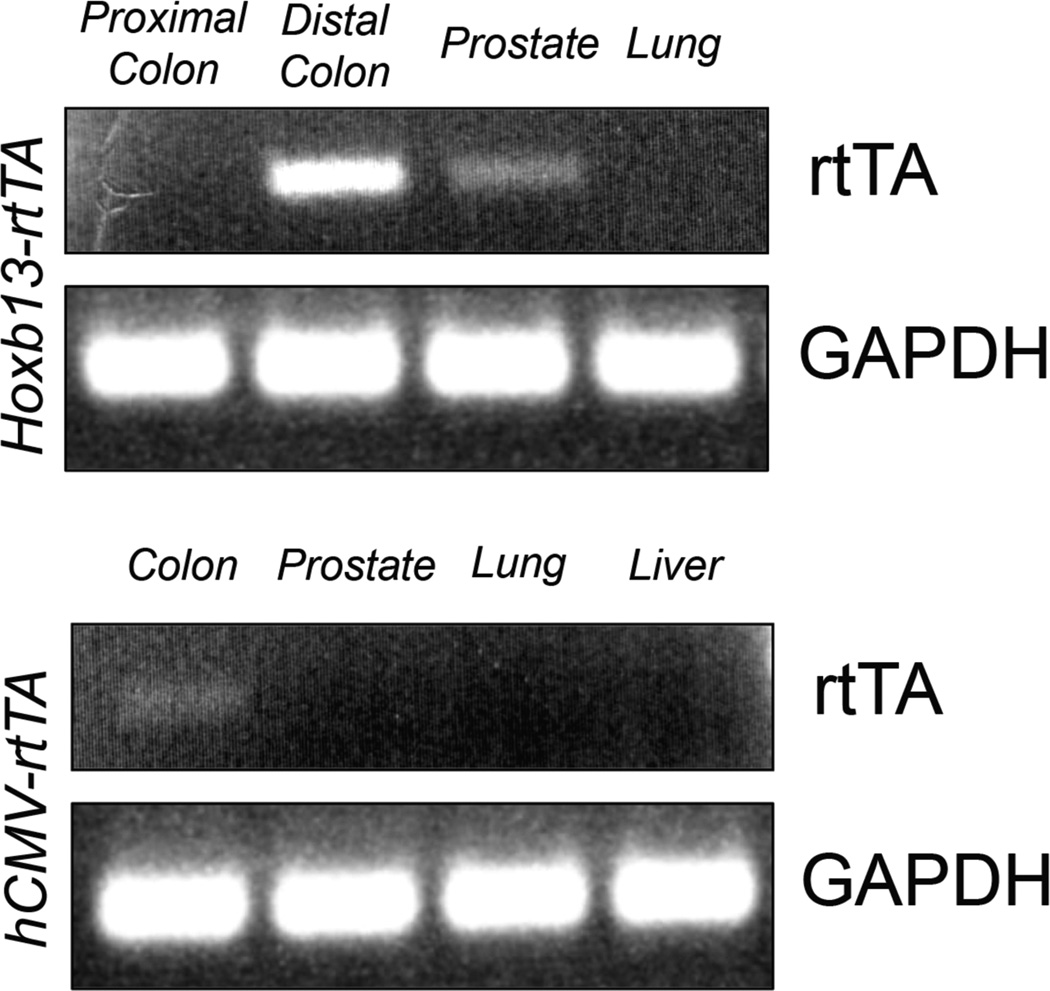
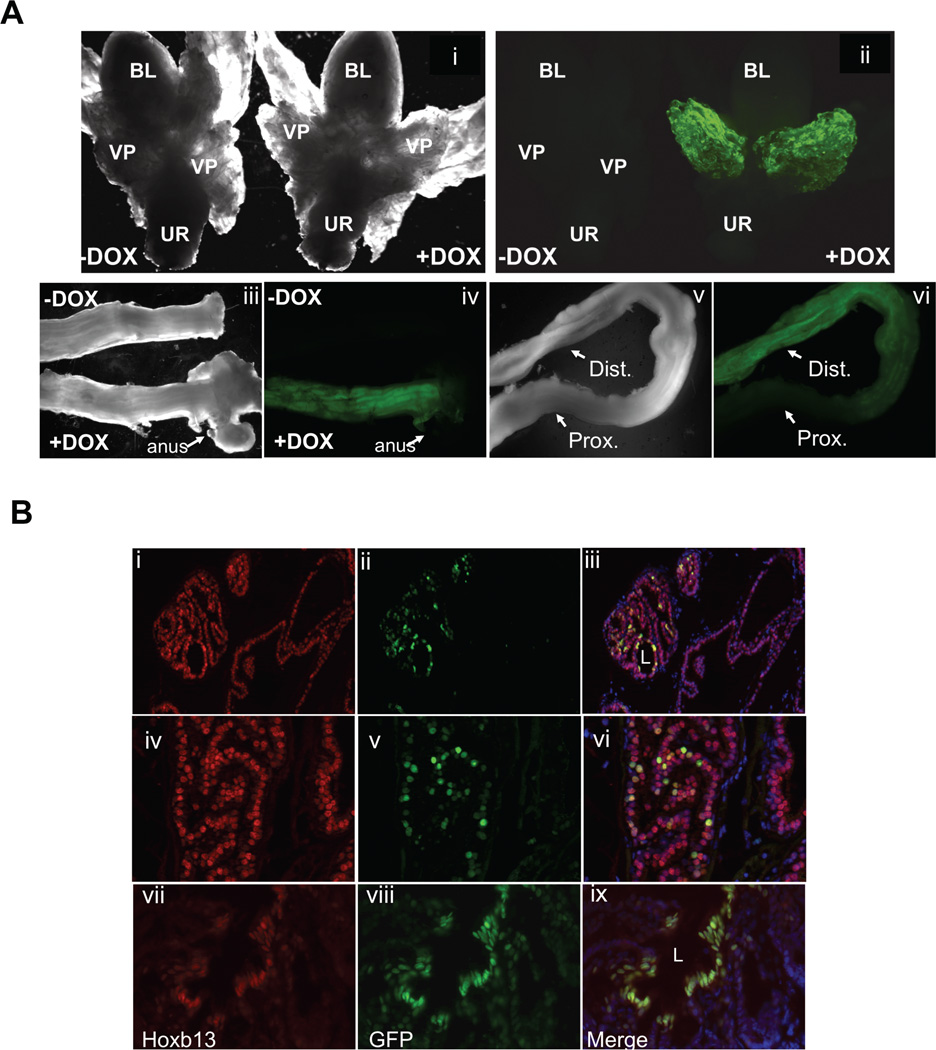
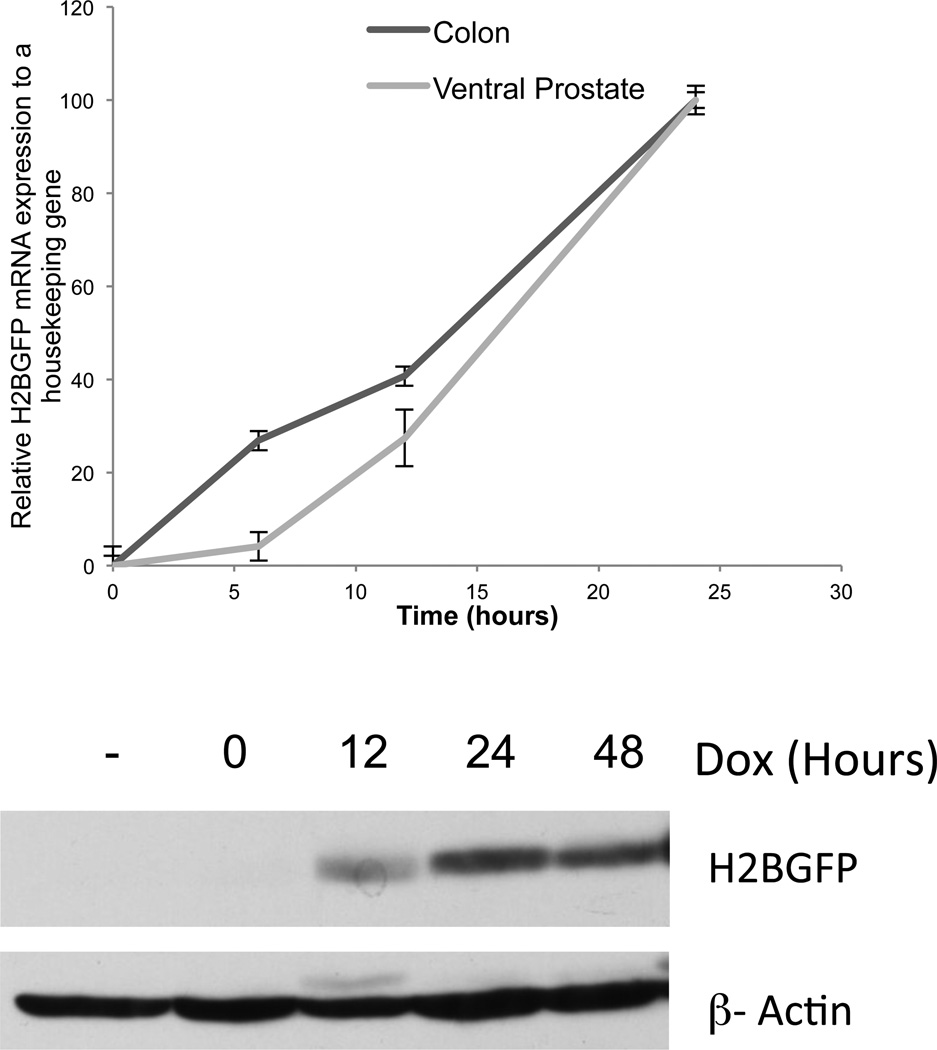
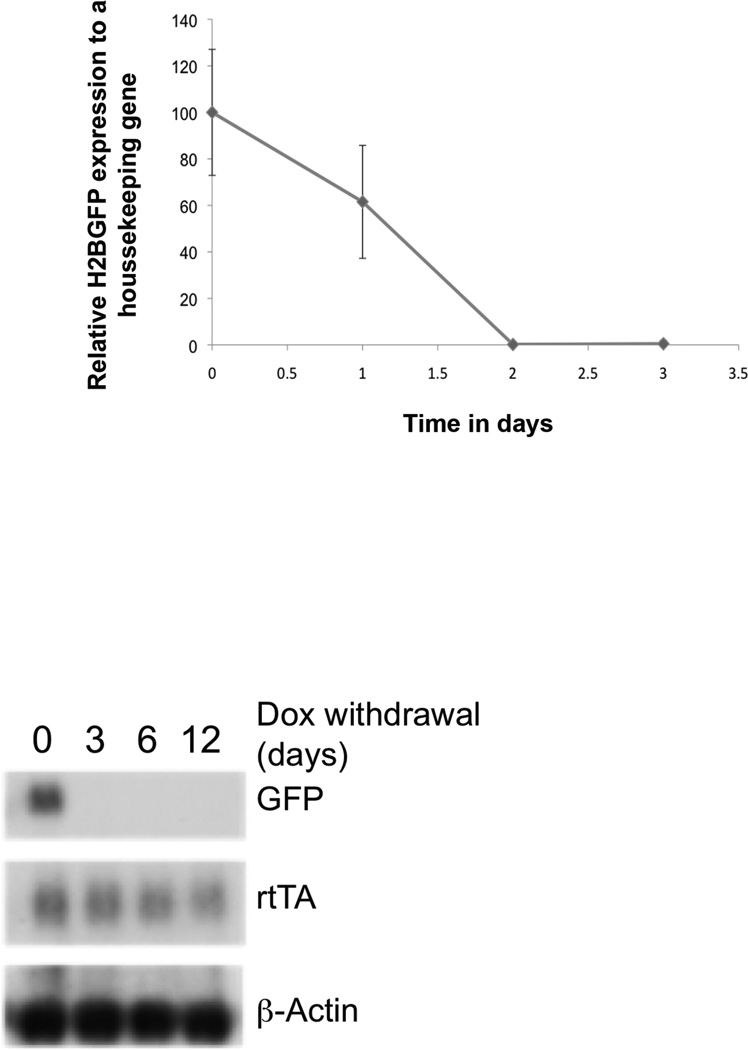
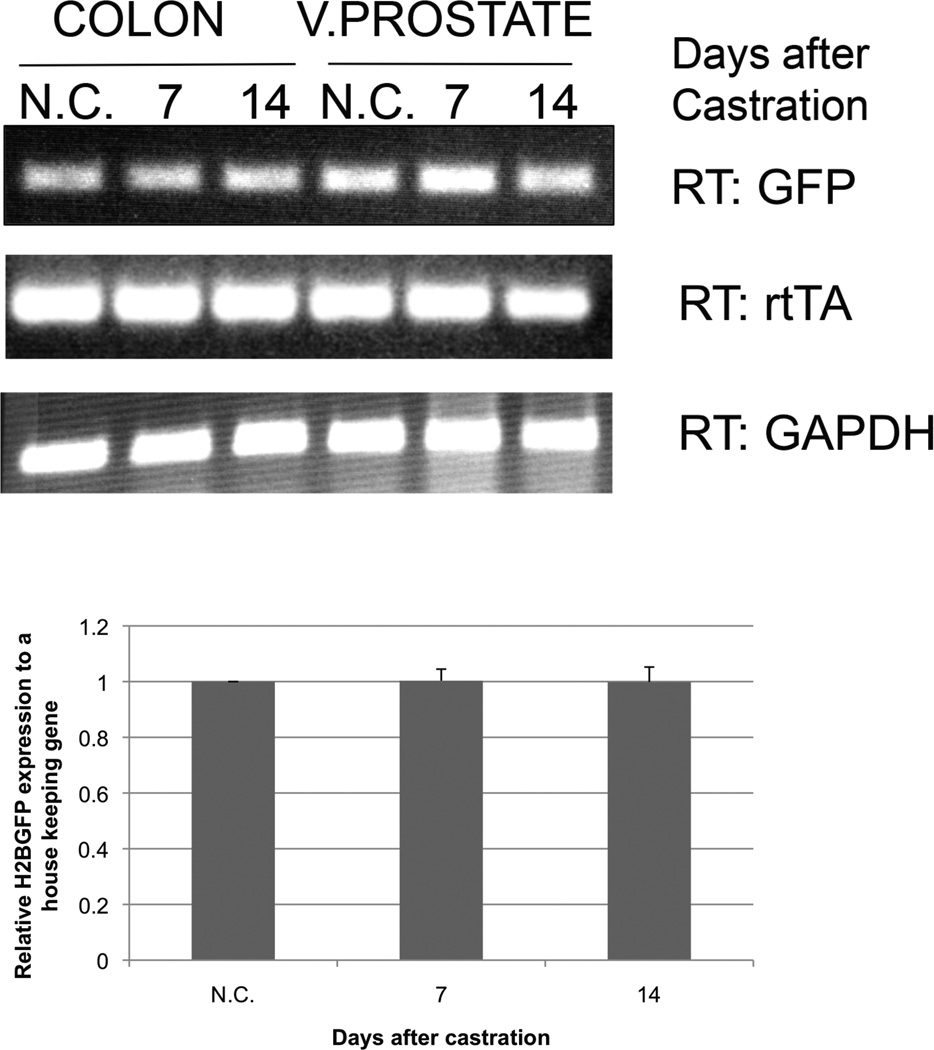
Dox-dependent GFP expression was observed exclusively in the prostate and distal colon epithelia of double transgenic mice. Reporter gene mRNA was detected in the prostate within 6 hr of Dox exposure, and was extinguished within 24 hr after Dox withdrawal. Furthermore, Dox-induced reporter gene expression persisted after castration.
The Hoxb13-rtTA transgenic system provides a powerful tool for conditional Tet operator-driven transgene expression in the normal prostate and during disease progression. Used in conjunction with other prostate pathology models, these mice will enable precise, temporally controlled analyses of gene function and can provide opportunities for detailed analyses of molecular events underlying prostate diseases.
基因工程小鼠模型在分析前列腺发育和病理生物学方面发挥着重要作用。虽然组成型遗传增益和缺失功能模型对我们理解驱动这些过程的分子事件做出了重大贡献,但紧调控诱导表达系统的可用性可以扩展转基因方法的效用。在这里,我们描述了一种 Tet 调节系统的开发,该系统利用 Hoxb13 转录控制元件在前列腺中指导反向四环素转录激活剂(rtTA)的表达。
使用重组技术,将 rtTA 基因置于 Hoxb13 顺式调控转录控制元件的背景下,位于 218-kb 细菌人工染色体中。携带 Hoxb13-rtTA 转基因的 F1 后代与 Tetracycline 操纵子-组蛋白 2B-绿色荧光蛋白(TetO-H2BGFP)应答系交配。在 Hoxb13-rtTA|TetO-H2BGFP 双转基因成年小鼠和胚胎中进行了详细的报告基因表达分析,包括强力霉素(Dox)诱导和撤回动力学。
Dox 依赖性 GFP 表达仅在双转基因小鼠的前列腺和远端结肠上皮中观察到。在 Dox 暴露后 6 小时内检测到报告基因 mRNA,并且在 Dox 撤回后 24 小时内消失。此外,Dox 诱导的报告基因表达在去势后仍然存在。
Hoxb13-rtTA 转基因系统为正常前列腺和疾病进展过程中 Tet 操纵子驱动的转基因表达提供了强大的工具。与其他前列腺病理模型结合使用,这些小鼠将能够对基因功能进行精确的、时间控制的分析,并为前列腺疾病的分子事件提供详细分析的机会。