Seto Emily, Leonard Kevin J, Cafazzo Joseph A, Barnsley Jan, Masino Caterina, Ross Heather J
Centre for Global eHealth Innovation, University Health Network, Toronto, ON, Canada.
J Med Internet Res. 2012 Feb 10;14(1):e25. doi: 10.2196/jmir.1912.
Previous trials of heart failure telemonitoring systems have produced inconsistent findings, largely due to diverse interventions and study designs.
The objectives of this study are (1) to provide in-depth insight into the effects of telemonitoring on self-care and clinical management, and (2) to determine the features that enable successful heart failure telemonitoring.
Semi-structured interviews were conducted with 22 heart failure patients attending a heart function clinic who had used a mobile phone-based telemonitoring system for 6 months. The telemonitoring system required the patients to take daily weight and blood pressure readings, weekly single-lead ECGs, and to answer daily symptom questions on a mobile phone. Instructions were sent to the patient's mobile phone based on their physiological values. Alerts were also sent to a cardiologist's mobile phone, as required. All clinicians involved in the study were also interviewed post-trial (N = 5). The interviews were recorded, transcribed, and then analyzed using a conventional content analysis approach.
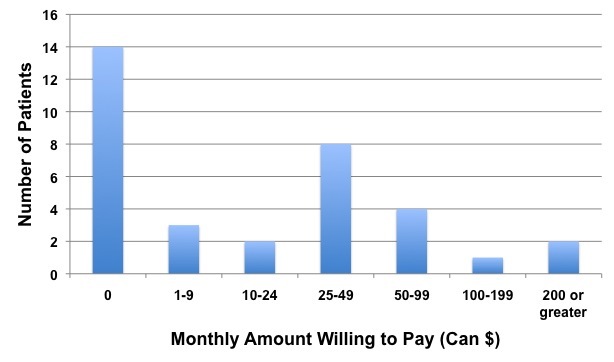
The telemonitoring system improved patient self-care by instructing the patients in real-time how to appropriately modify their lifestyle behaviors. Patients felt more aware of their heart failure condition, less anxiety, and more empowered. Many were willing to partially fund the use of the system. The clinicians were able to manage their patients' heart failure conditions more effectively, because they had physiological data reported to them frequently to help in their decision-making (eg, for medication titration) and were alerted at the earliest sign of decompensation. Essential characteristics of the telemonitoring system that contributed to improved heart failure management included immediate self-care and clinical feedback (ie, teachable moments), how the system was easy and quick to use, and how the patients and clinicians perceived tangible benefits from telemonitoring. Some clinical concerns included ongoing costs of the telemonitoring system and increased clinical workload. A few patients did not want to be watched long-term while some were concerned they might become dependent on the system.
The success of a telemonitoring system is highly dependent on its features and design. The essential system characteristics identified in this study should be considered when developing telemonitoring solutions.
先前关于心力衰竭远程监测系统的试验结果并不一致,这主要归因于干预措施和研究设计的多样性。
本研究的目的是:(1)深入了解远程监测对自我护理和临床管理的影响;(2)确定实现成功的心力衰竭远程监测的特征。
对22名在心脏功能诊所就诊的心力衰竭患者进行了半结构化访谈,这些患者使用基于手机的远程监测系统已达6个月。该远程监测系统要求患者每天测量体重和血压、每周进行一次单导联心电图检查,并通过手机回答每日症状问题。根据患者的生理值向其手机发送指令。如有需要,还会向心脏病专家的手机发送警报。所有参与研究的临床医生在试验后也接受了访谈(N = 5)。访谈进行了录音、转录,然后采用传统的内容分析法进行分析。
远程监测系统通过实时指导患者如何适当改变生活方式行为,改善了患者的自我护理。患者对自己的心力衰竭状况有了更强的意识,焦虑感减轻,更有掌控感。许多患者愿意为使用该系统提供部分资金。临床医生能够更有效地管理患者的心力衰竭状况,因为他们频繁收到生理数据以帮助决策(例如药物滴定),并且在失代偿的最早迹象出现时就会收到警报。有助于改善心力衰竭管理的远程监测系统的基本特征包括即时的自我护理和临床反馈(即可教育时刻)、系统使用的简便性和快捷性,以及患者和临床医生如何从远程监测中感受到切实的益处。一些临床问题包括远程监测系统的持续成本和临床工作量的增加。一些患者不想被长期监测,而另一些患者则担心自己可能会依赖该系统。
远程监测系统的成功高度依赖于其特征和设计。在开发远程监测解决方案时,应考虑本研究中确定的基本系统特征。