Laboratory of Biosensing and MicroMechatronics, School of Materials Science and Engineering, Southwest Jiaotong University, Chengdu, Sichuan, People's Republic of China.
Int J Nanomedicine. 2012;7:381-91. doi: 10.2147/IJN.S26808. Epub 2012 Jan 24.
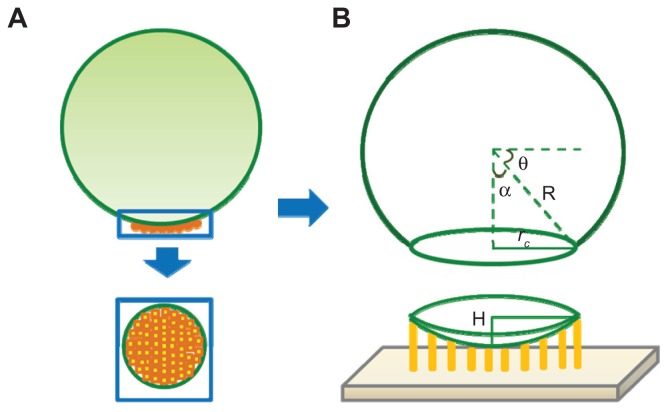
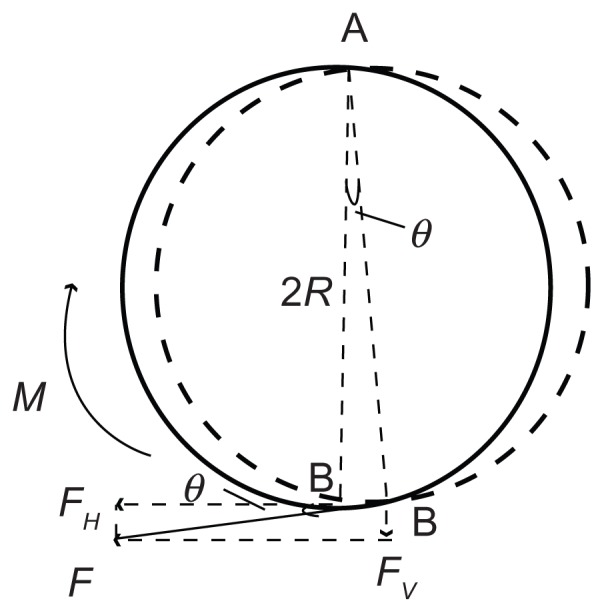
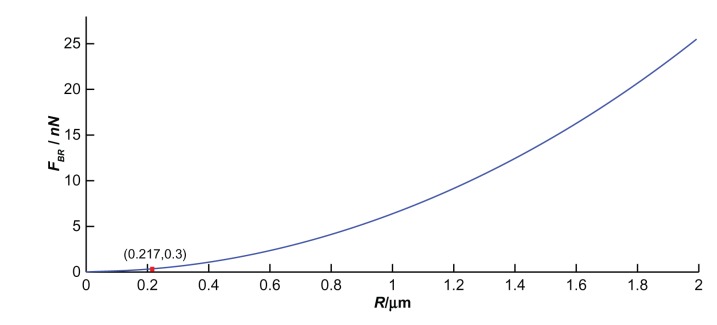
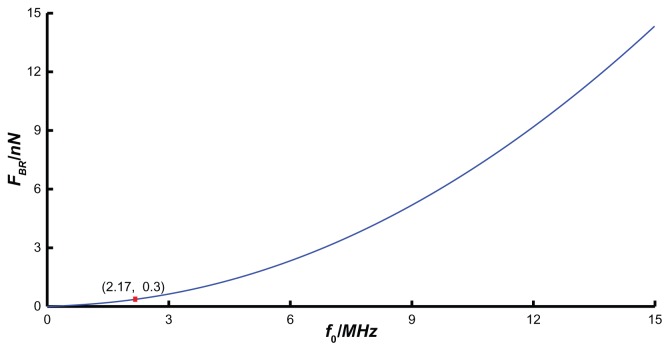
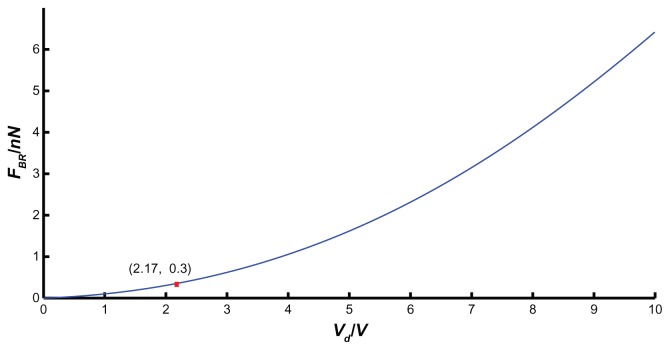
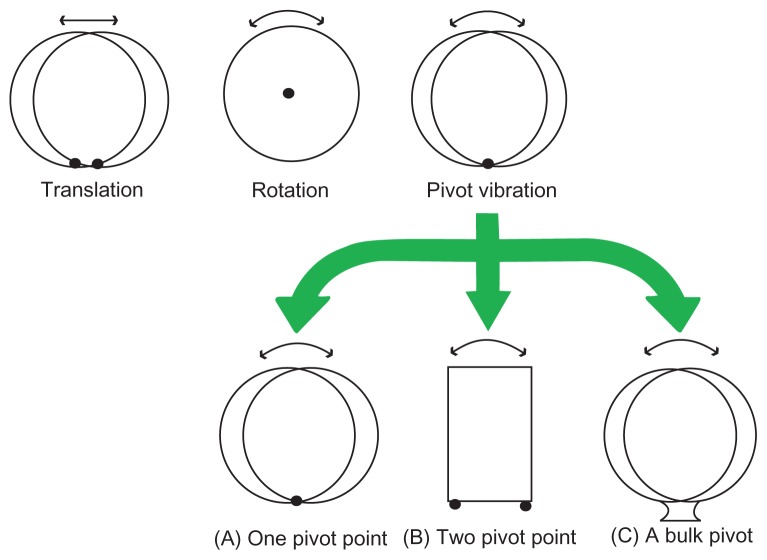
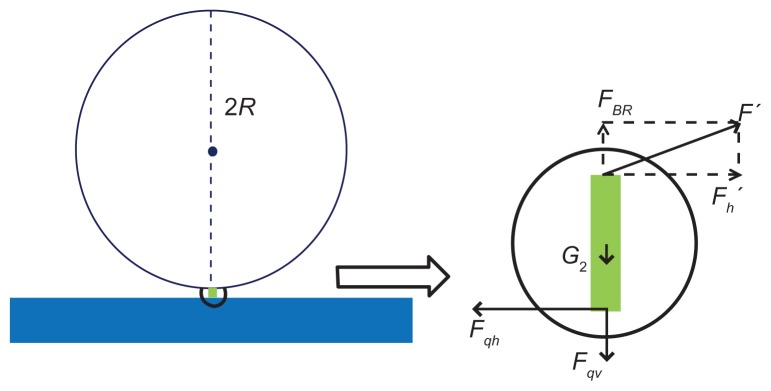
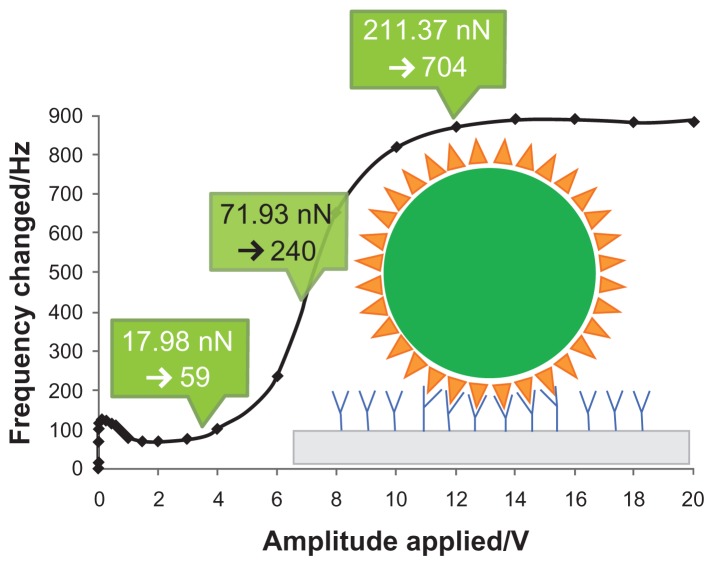
Bond-rupture scanning for biomedical diagnostics is examined using quartz crystal microbalance (QCM) experiments and microparticle mechanics modeling calculations. Specific and nonspecific interactions between a microparticle and its binding QCM surface can be distinguished by gradually increasing the amplitude of driving voltage applied to QCM and monitoring its frequency changes. This research proposes a mechanical model of interactions between biological molecules and a QCM substrate surface. The mechanical force required to break a biotin-streptavidin bond was calculated through a one-pivot-point bottom-up vibration model. The bond-rupture force increases with an increase of the microparticle radius, the QCM resonant frequency, and the amplitude of driving voltage applied to the QCM. The significance of the research on biological molecular bond rupture is extremely important in characterizing microbial (such as cells and virus) specificity, due to the force magnitude needed to break bonds using a transducer.
用于生物医学诊断的键断裂扫描使用石英晶体微天平 (QCM) 实验和微粒力学建模计算进行检查。通过逐渐增加施加到 QCM 的驱动电压的幅度并监测其频率变化,可以区分微粒与其结合的 QCM 表面之间的特异性和非特异性相互作用。本研究提出了生物分子与 QCM 基底表面相互作用的力学模型。通过单点底部向上振动模型计算了断开生物素-链霉亲和素键所需的机械力。键断裂力随微粒半径、QCM 共振频率和施加到 QCM 的驱动电压幅度的增加而增加。由于使用换能器断开键所需的力的大小,因此研究生物分子键断裂在表征微生物(如细胞和病毒)特异性方面具有极其重要的意义。