Department of Orthopaedics, Providence Hospital and Medical Centers, Southfield, MI.
J Inflamm Res. 2012;5:13-8. doi: 10.2147/JIR.S21411. Epub 2012 Jan 18.
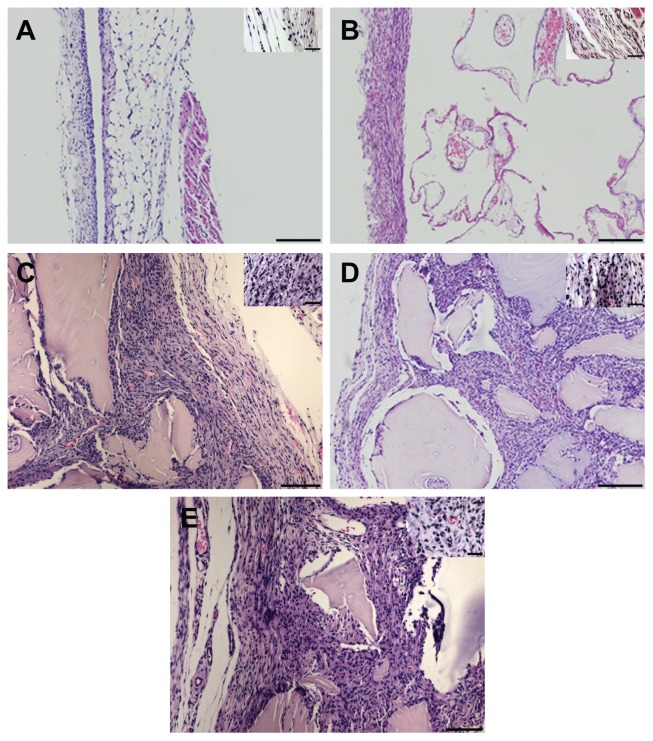
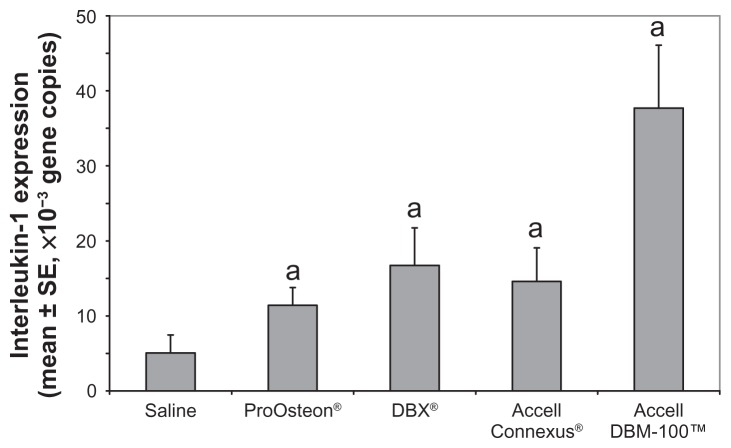
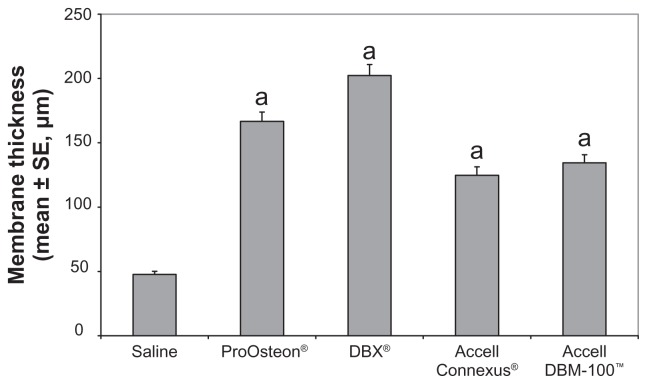
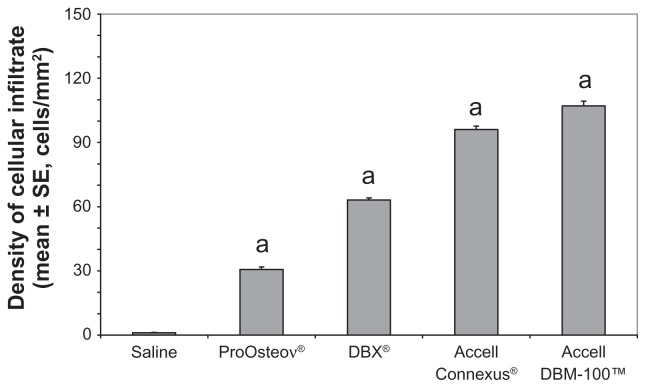
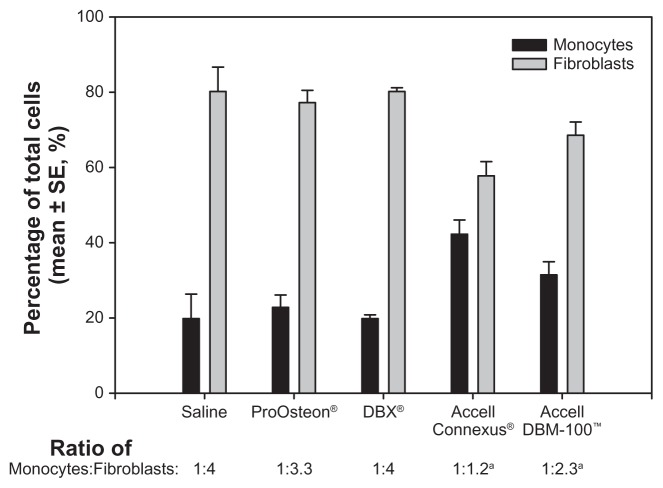
Bone grafting is utilized in nearly all orthopedic subspecialties and in most anatomic regions. Bone graft substitutes have the potential to offer similar efficacy as autogenous grafts without the morbidity of harvest. Several studies have noted the efficacy of new-generation bone substitute products, but few studies have evaluated their safety. This study characterizes and quantifies the inflammatory reaction to four different commercially available bone graft substitutes, which were examined using the in vivo murine air pouch biocompatibility model. One coralline hydroxyapatite product was chosen as an example of a purely osteoconductive material. Three demineralized bone matrix products were chosen to represent products that are both osteoconductive and osteoinductive. Samples were implanted in a murine air pouch and harvested after 14 days in situ. Pouch fluid was extracted, mRNA isolated, and reverse transcription polymerase chain reactions carried out to detect interleukin-1 gene expression as a marker for inflammation. In addition, multiple histological characteristics were examined to quantify cellular responses to the implanted materials. All bone graft substitutes induced a significant inflammatory response compared with negative controls. Histology and polymerase chain reaction data indicated that the level of inflammatory reaction was elevated in materials with a higher demineralized bone matrix to carrier proportion. The hydroxyapatite product generated a low inflammatory reaction. In conclusion, this study used an in vivo model of biocompatibility to demonstrate that a significant inflammatory reaction occurs when using implanted bone graft substitutes. When choosing a bone grafting method, surgeons should consider both the efficacy and safety of methods and materials used. Further studies are necessary to determine the ideal bone graft material to maximize efficacy while minimizing morbidity.
植骨术几乎应用于所有骨科亚专科和大多数解剖部位。骨移植替代物具有与自体移植物相似的功效,而没有采集的发病率。一些研究已经注意到新一代骨替代产品的功效,但很少有研究评估它们的安全性。本研究使用体内鼠气囊生物相容性模型,对四种不同市售骨移植替代物的炎症反应进行了特征描述和定量。选择一种珊瑚羟基磷灰石产品作为纯骨诱导材料的例子。选择三种脱矿骨基质产品来代表具有骨诱导和骨诱导作用的产品。将样品植入鼠气囊中,并在原位 14 天后取出。提取囊液,分离 mRNA,并进行逆转录聚合酶链反应,以检测白细胞介素-1 基因表达作为炎症的标志物。此外,还检查了多种组织学特征,以定量植入材料的细胞反应。与阴性对照相比,所有骨移植替代物均引起明显的炎症反应。组织学和聚合酶链反应数据表明,具有更高脱矿骨基质与载体比例的材料的炎症反应水平升高。羟基磷灰石产品引起的炎症反应较低。总之,本研究使用体内生物相容性模型证明,使用植入骨移植替代物会引起明显的炎症反应。在选择植骨方法时,外科医生应考虑使用的方法和材料的功效和安全性。需要进一步的研究来确定理想的骨移植材料,以最大限度地提高功效,同时最小化发病率。