Department of Chemistry, University of California, 1 Shields Avenue, Davis, CA 95616, USA.
J Synchrotron Radiat. 2012 Mar;19(Pt 2):257-63. doi: 10.1107/S0909049512001380. Epub 2012 Feb 16.
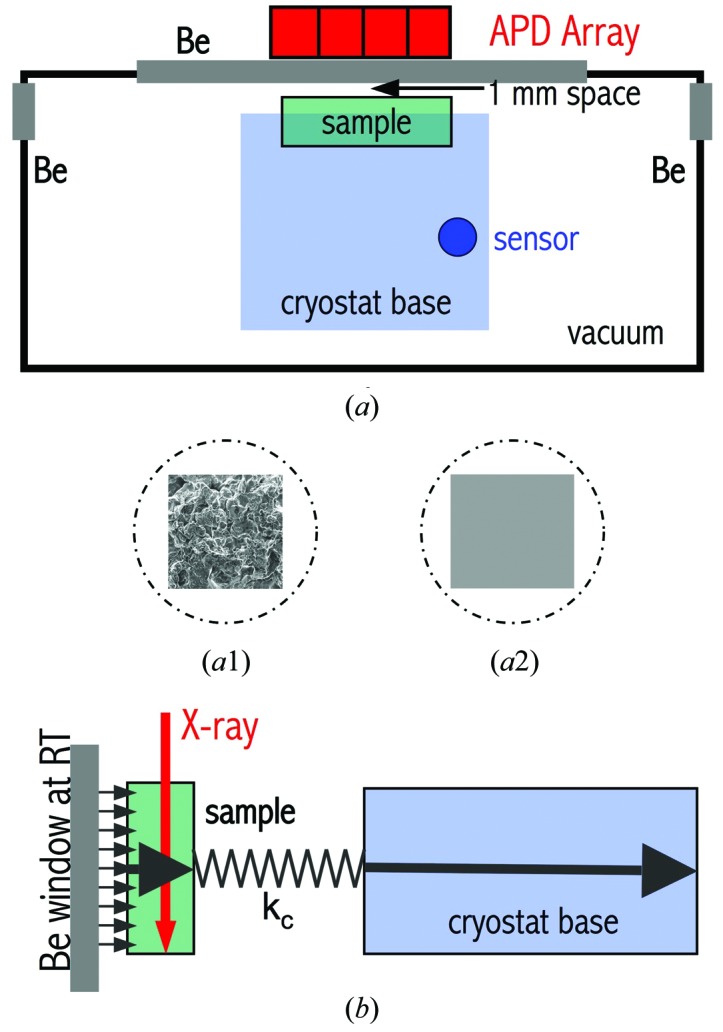
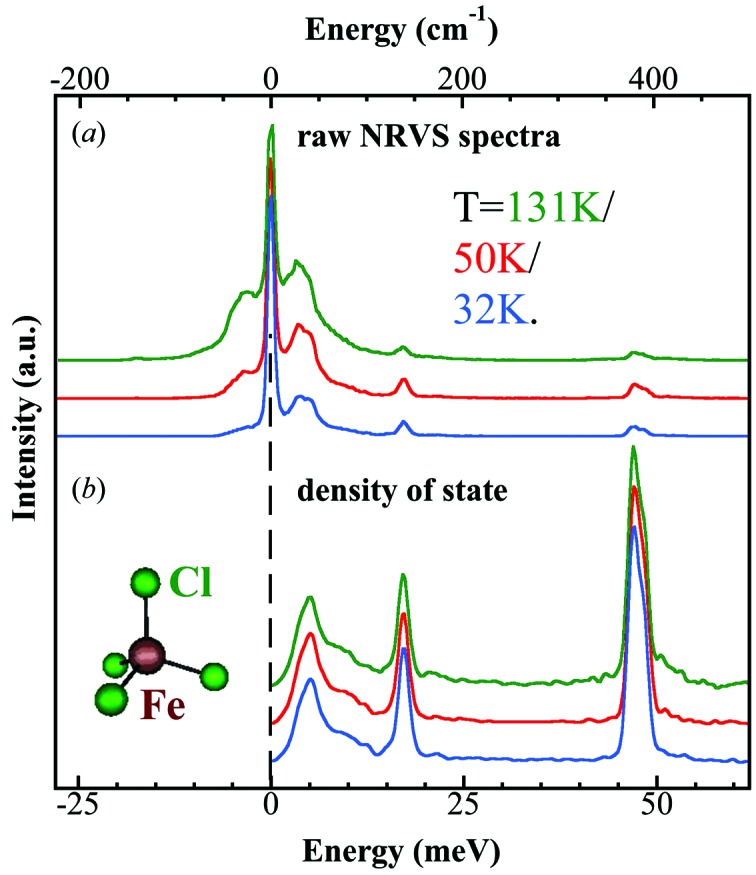
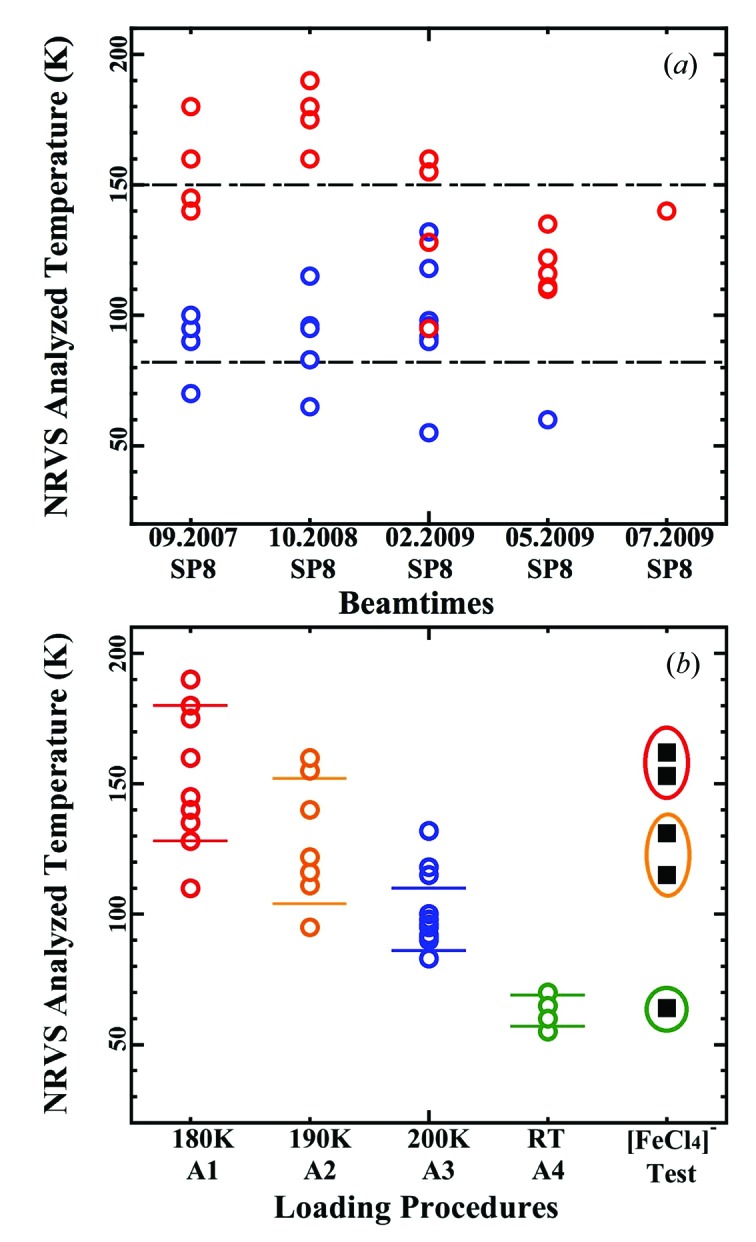
There are several practical and intertangled issues which make the experiments of nuclear resonant vibrational spectroscopy (NRVS) on biological samples difficult to perform. The sample temperature is one of the most important issues. In NRVS the real sample temperatures can be very different from the readings on the temperature sensors. In this study the following have been performed: (i) citing and analyzing various existing NRVS data to assess the real sample temperatures during the NRVS measurements and to understand their trends with the samples' loading conditions; (ii) designing several NRVS measurements with (Et(4)N)[FeCl(4)] to verify these trends; and (iii) proposing a new sample-loading procedure to achieve significantly lower real sample temperatures and to balance among the intertangled experimental issues in biological NRVS measurements.
有几个实际且相互交织的问题使得在生物样本上进行核共振振动光谱(NRVS)实验变得困难。样本温度就是其中一个最重要的问题。在 NRVS 中,实际样本温度与温度传感器的读数可能有很大差异。在这项研究中,我们完成了以下工作:(i)引用和分析了各种现有的 NRVS 数据,以评估 NRVS 测量过程中的实际样本温度,并了解它们随样本装载条件的变化趋势;(ii)设计了几项使用(Et(4)N)[FeCl(4)]的 NRVS 测量实验,以验证这些趋势;(iii)提出了一种新的样本装载程序,以实现显著更低的实际样本温度,并在生物 NRVS 测量中的各种相互交织的实验问题之间取得平衡。