Department of Medicine, University of Wisconsin School of Medicine and Public Health, Madison, Wisconsin, United States of America.
PLoS One. 2012;7(2):e32061. doi: 10.1371/journal.pone.0032061. Epub 2012 Feb 15.
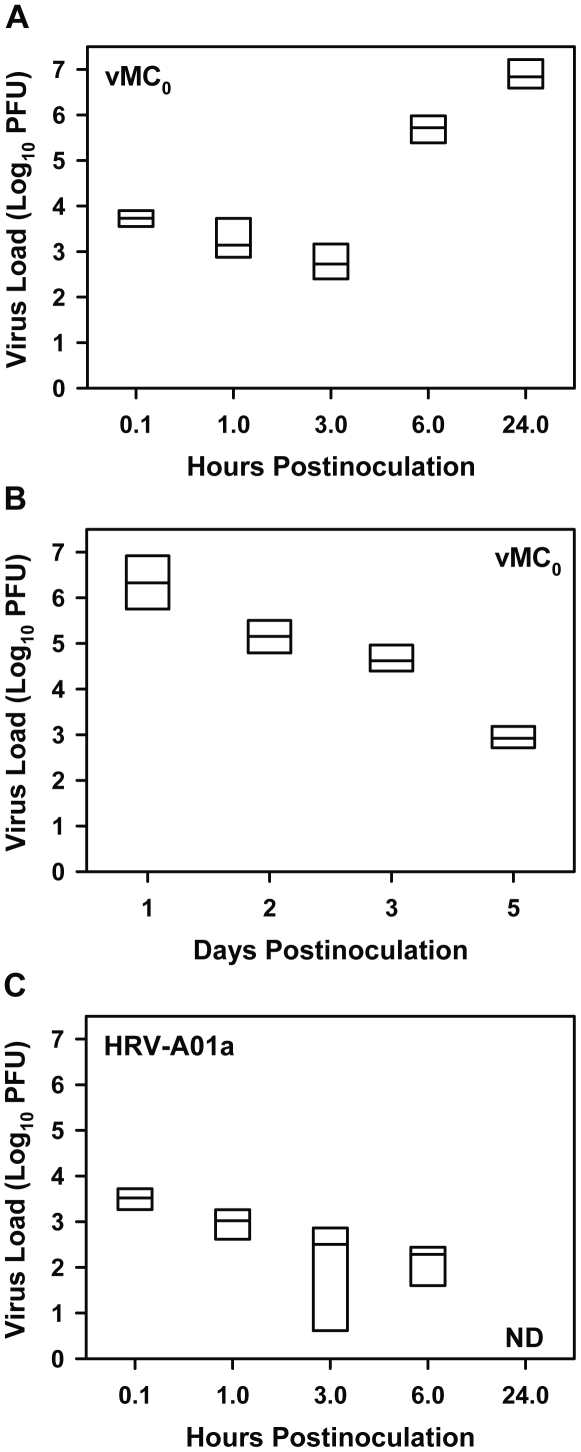
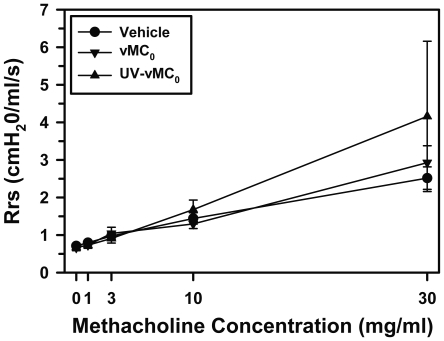
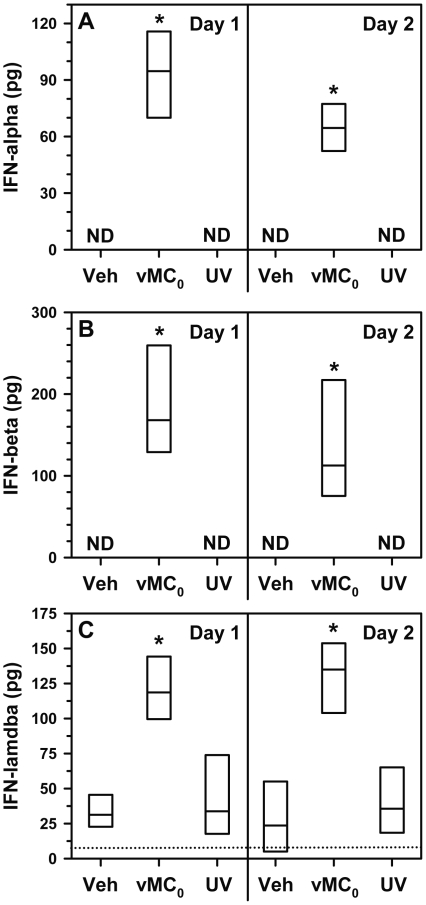
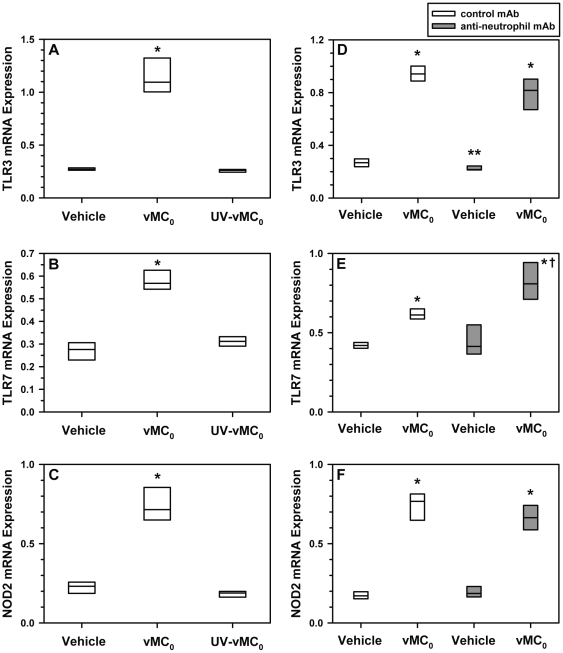
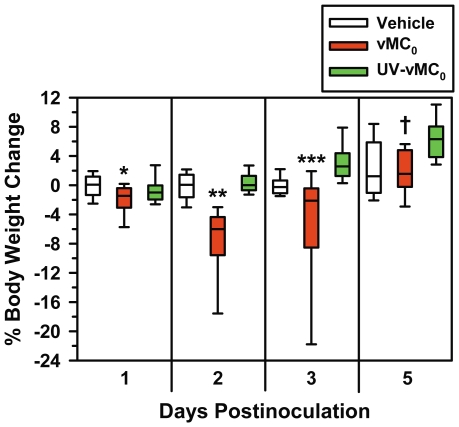
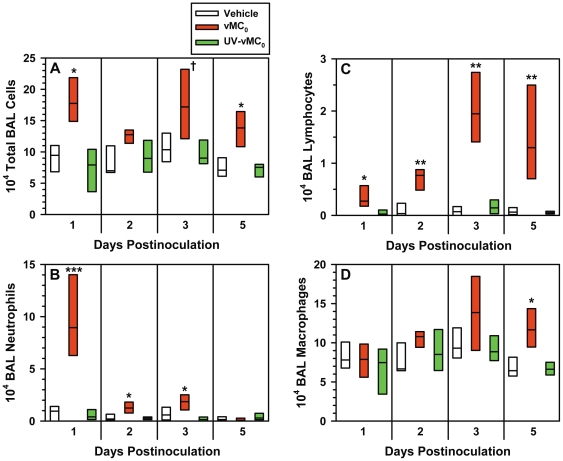
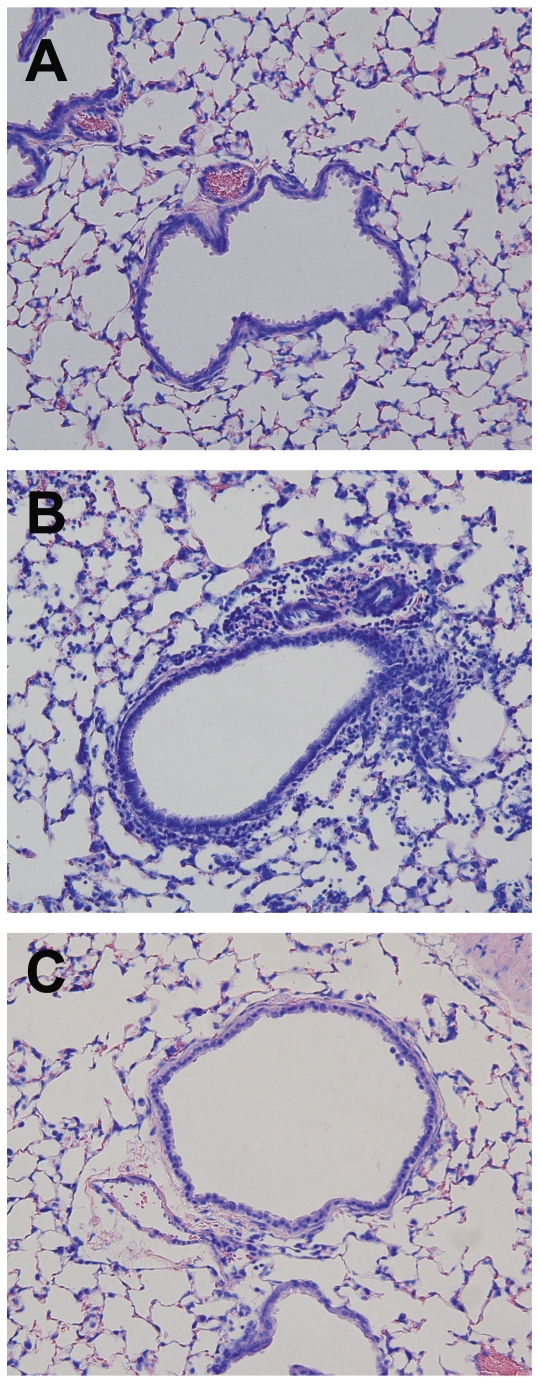
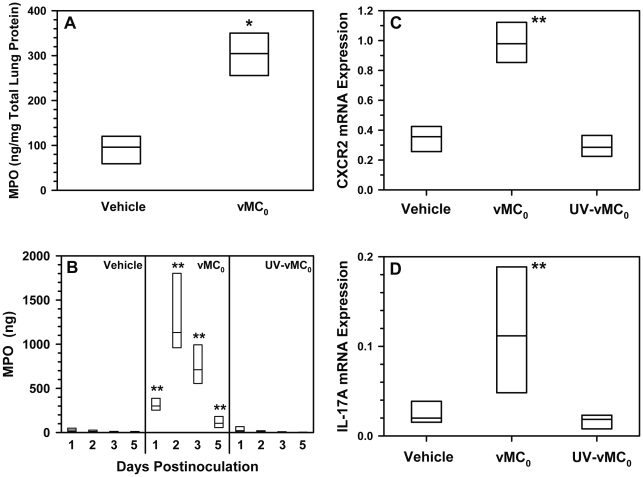
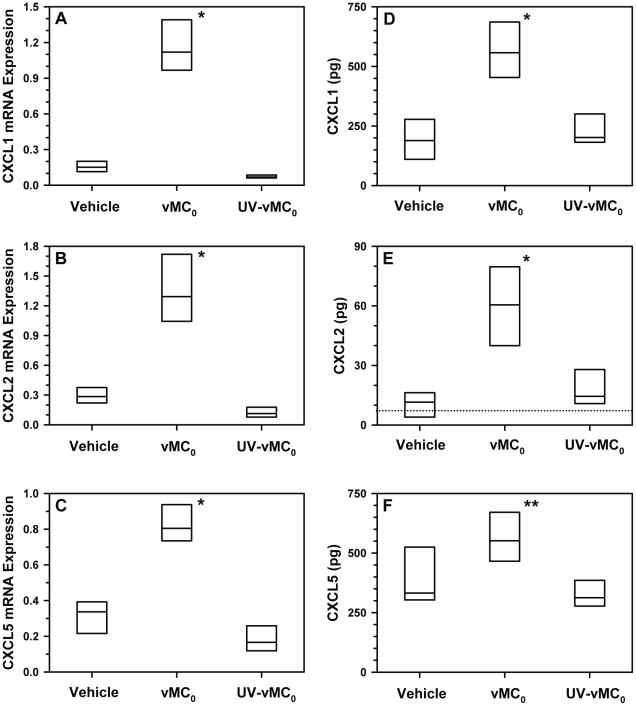
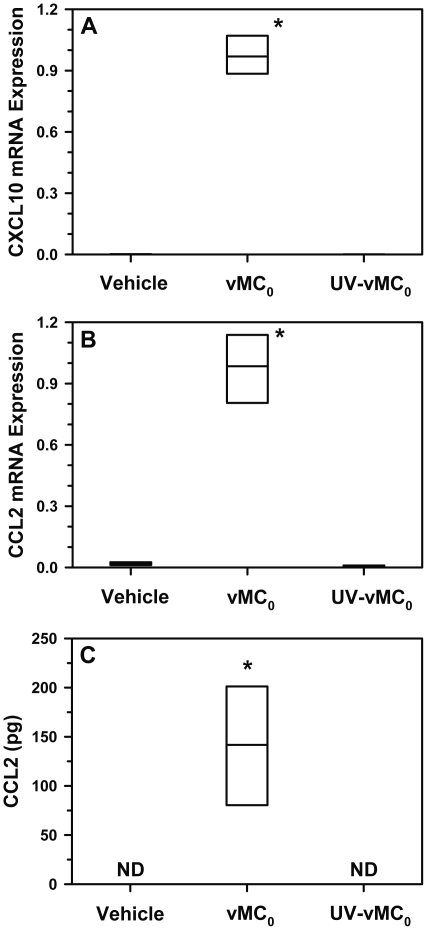
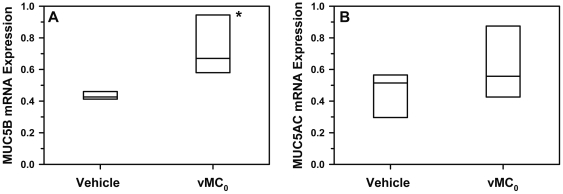
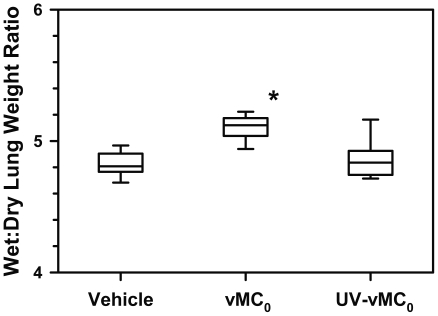
Infections with the picornavirus, human rhinovirus (HRV), are a major cause of wheezing illnesses and asthma exacerbations. In developing a murine model of picornaviral airway infection, we noted the absence of murine rhinoviruses and that mice are not natural hosts for HRV. The picornavirus, mengovirus, induces lethal systemic infections in its natural murine hosts, but small genetic differences can profoundly affect picornaviral tropism and virulence. We demonstrate that inhalation of a genetically attenuated mengovirus, vMC(0), induces lower respiratory tract infections in mice. After intranasal vMC(0) inoculation, lung viral titers increased, peaking at 24 h postinoculation with viral shedding persisting for 5 days, whereas HRV-A01a lung viral titers decreased and were undetectable 24 h after intranasal inoculation. Inhalation of vMC(0), but not vehicle or UV-inactivated vMC(0), induced an acute respiratory illness, with body weight loss and lower airway inflammation, characterized by increased numbers of airway neutrophils and lymphocytes and elevated pulmonary expression of neutrophil chemoattractant CXCR2 ligands (CXCL1, CXCL2, CXCL5) and interleukin-17A. Mice inoculated with vMC(0), compared with those inoculated with vehicle or UV-inactivated vMC(0), exhibited increased pulmonary expression of interferon (IFN-α, IFN-β, IFN-λ), viral RNA sensors [toll-like receptor (TLR)3, TLR7, nucleotide-binding oligomerization domain containing 2 (NOD2)], and chemokines associated with HRV infection in humans (CXCL10, CCL2). Inhalation of vMC(0), but not vehicle or UV-inactivated vMC(0), was accompanied by increased airway fluid myeloperoxidase levels, an indicator of neutrophil activation, increased MUC5B gene expression, and lung edema, a sign of infection-related lung injury. Consistent with experimental HRV inoculations of nonallergic, nonasthmatic human subjects, there were no effects on airway hyperresponsiveness after inhalation of vMC(0) by healthy mice. This novel murine model of picornaviral airway infection and inflammation should be useful for defining mechanisms of HRV pathogenesis in humans.
肠道病毒感染是导致喘息性疾病和哮喘恶化的主要原因之一。在建立肠道病毒气道感染的小鼠模型时,我们注意到没有鼠类肠道病毒,并且小鼠不是人类呼吸道肠道病毒的天然宿主。肠道病毒,鼻病毒,在其自然宿主的小鼠中引起致命的全身感染,但微小的遗传差异可极大地影响肠道病毒的嗜性和毒力。我们证明,吸入遗传减毒的鼻病毒,vMC(0),可诱导小鼠下呼吸道感染。鼻内接种 vMC(0)后,肺部病毒滴度增加,接种后 24 小时达到峰值,病毒脱落持续 5 天,而 HRV-A01a 肺部病毒滴度下降,鼻内接种后 24 小时检测不到。与载体或 UV 失活的 vMC(0)相比,吸入 vMC(0)仅诱导急性呼吸道疾病,引起体重减轻和下气道炎症,其特征为气道中性粒细胞和淋巴细胞数量增加以及中性粒细胞趋化因子 CXCR2 配体(CXCL1、CXCL2、CXCL5)和白细胞介素-17A 的肺表达增加。与载体或 UV 失活的 vMC(0)相比,接种 vMC(0)的小鼠表现出肺组织中干扰素(IFN-α、IFN-β、IFN-λ)、病毒 RNA 传感器(TLR3、TLR7、核苷酸结合寡聚化结构域 2(NOD2))和与人类 HRV 感染相关的趋化因子(CXCL10、CCL2)的表达增加。与载体或 UV 失活的 vMC(0)相比,仅 vMC(0)的吸入伴随着气道液中髓过氧化物酶水平的升高,这是中性粒细胞激活的标志物,MUC5B 基因表达增加以及肺水肿,这是感染相关的肺损伤的迹象。与非过敏性、非哮喘的人类受试者的实验性 HRV 接种一致,健康小鼠吸入 vMC(0)后对气道高反应性没有影响。这种新型的肠道病毒气道感染和炎症的小鼠模型对于定义人类 HRV 发病机制的机制应该是有用的。