Laboratory of Marine Biotechnology, Faculty of Chemistry and Biology, University of Santiago, Santiago 9160000, Chile.
Mar Drugs. 2011 Dec;9(12):2514-2525. doi: 10.3390/md9122514. Epub 2011 Nov 29.
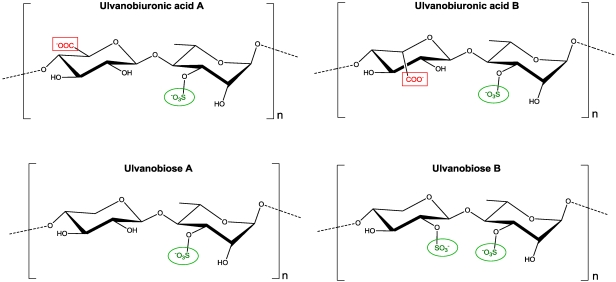
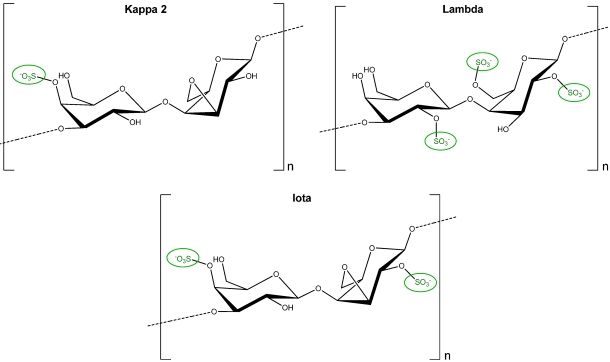
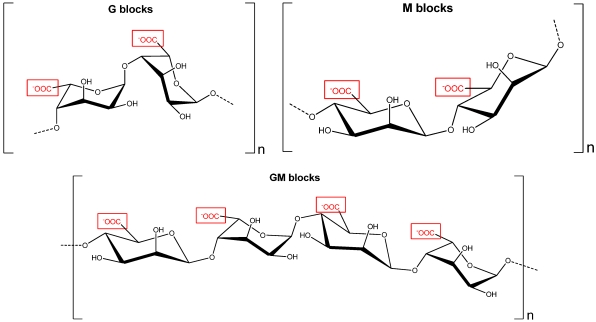
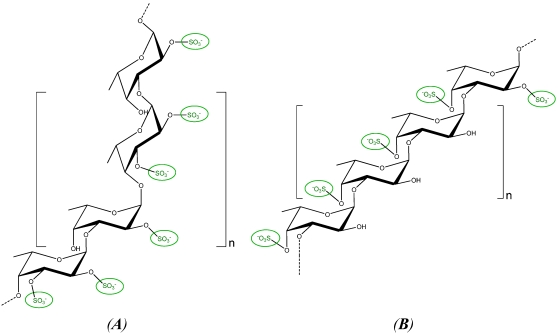
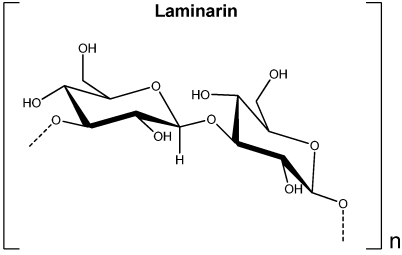
Plants interact with the environment by sensing "non-self" molecules called elicitors derived from pathogens or other sources. These molecules bind to specific receptors located in the plasma membrane and trigger defense responses leading to protection against pathogens. In particular, it has been shown that cell wall and storage polysaccharides from green, brown and red seaweeds (marine macroalgae) corresponding to ulvans, alginates, fucans, laminarin and carrageenans can trigger defense responses in plants enhancing protection against pathogens. In addition, oligosaccharides obtained by depolymerization of seaweed polysaccharides also induce protection against viral, fungal and bacterial infections in plants. In particular, most seaweed polysaccharides and derived oligosaccharides trigger an initial oxidative burst at local level and the activation of salicylic (SA), jasmonic acid (JA) and/or ethylene signaling pathways at systemic level. The activation of these signaling pathways leads to an increased expression of genes encoding: (i) Pathogenesis-Related (PR) proteins with antifungal and antibacterial activities; (ii) defense enzymes such as pheylalanine ammonia lyase (PAL) and lipoxygenase (LOX) which determine accumulation of phenylpropanoid compounds (PPCs) and oxylipins with antiviral, antifugal and antibacterial activities and iii) enzymes involved in synthesis of terpenes, terpenoids and/or alkaloids having antimicrobial activities. Thus, seaweed polysaccharides and their derived oligosaccharides induced the accumulation of proteins and compounds with antimicrobial activities that determine, at least in part, the enhanced protection against pathogens in plants.
植物通过感知来自病原体或其他来源的被称为激发子的“非自身”分子与环境相互作用。这些分子与位于质膜中的特定受体结合,触发防御反应,从而对病原体起到保护作用。特别是,已经表明绿藻、褐藻和红藻(海洋大型藻类)的细胞壁和贮藏多糖(对应于岩藻聚糖、海藻酸盐、褐藻糖胶、昆布多糖和卡拉胶)可以在植物中触发防御反应,增强对病原体的保护。此外,通过海藻多糖的解聚获得的低聚糖也可以诱导植物对病毒、真菌和细菌感染的保护。特别是,大多数海藻多糖及其衍生的低聚糖在局部水平触发初始氧化爆发,并在系统水平激活水杨酸(SA)、茉莉酸(JA)和/或乙烯信号通路。这些信号通路的激活导致编码以下基因的表达增加:(i)具有抗真菌和抗菌活性的病程相关(PR)蛋白;(ii)防御酶,如苯丙氨酸解氨酶(PAL)和脂氧合酶(LOX),它们决定了苯丙烷化合物(PPCs)和具有抗病毒、抗真菌和抗菌活性的氧化脂的积累;以及(iii)参与萜类、类萜和/或具有抗菌活性的生物碱合成的酶。因此,海藻多糖及其衍生的低聚糖诱导了具有抗菌活性的蛋白质和化合物的积累,这些物质至少部分决定了植物对病原体的增强保护。