Altermann Eric
Rumen Microbiology, Animal Nutrition and Health Capability Group, Grasslands Research Centre, AgResearch Limited Palmerston North, New Zealand.
Front Microbiol. 2012 Feb 21;3:48. doi: 10.3389/fmicb.2012.00048. eCollection 2012.
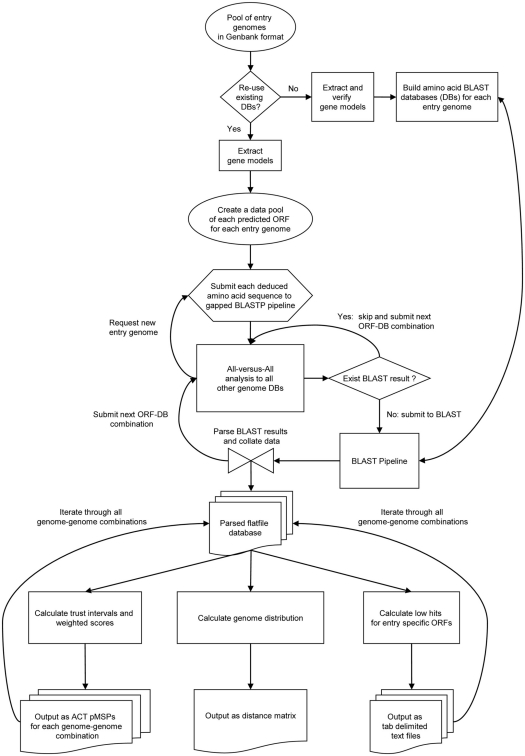
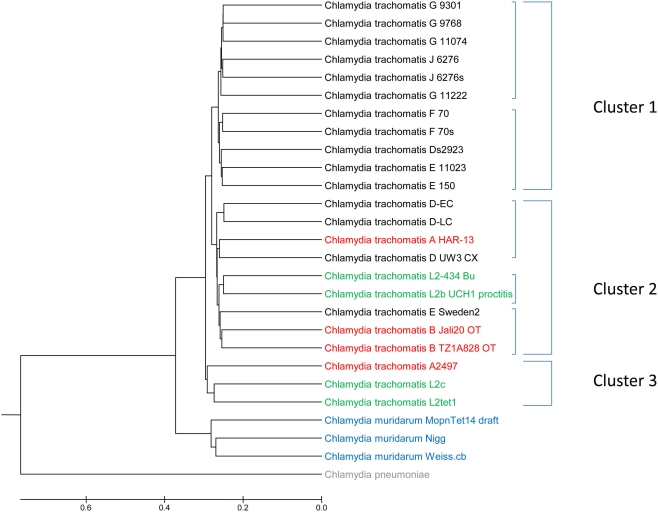
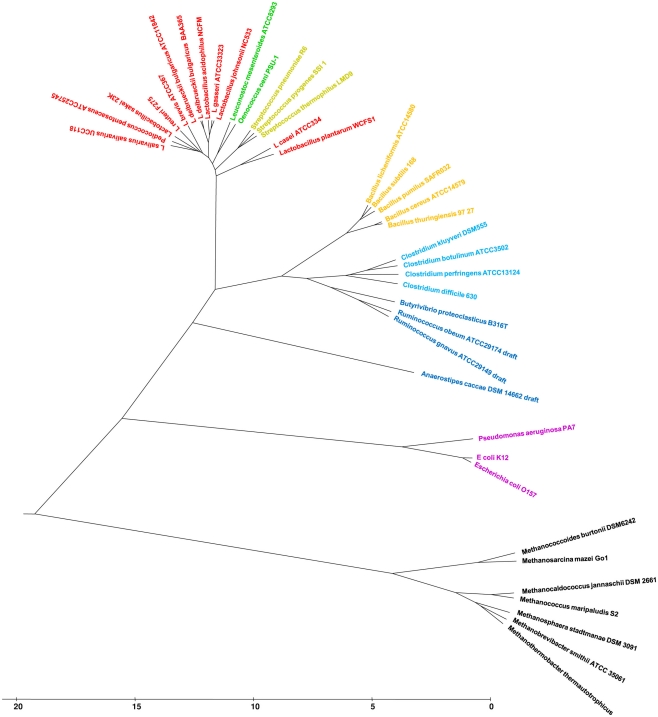
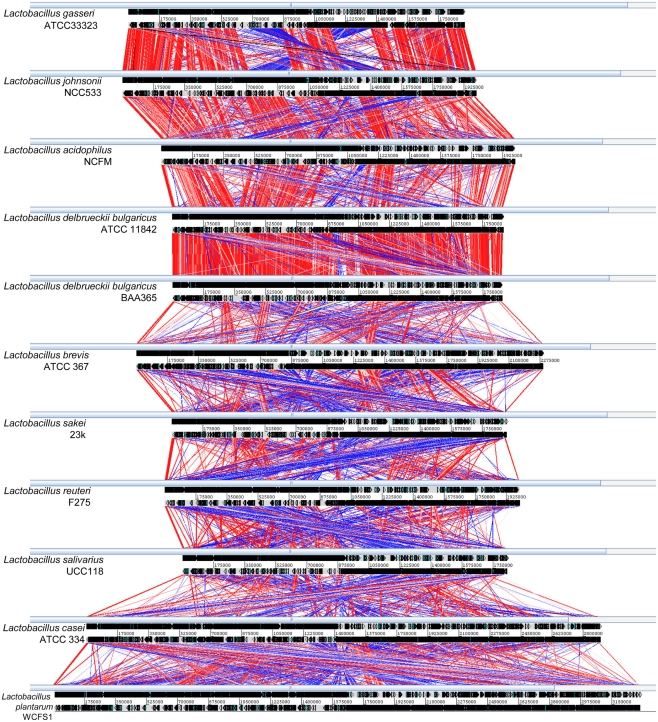
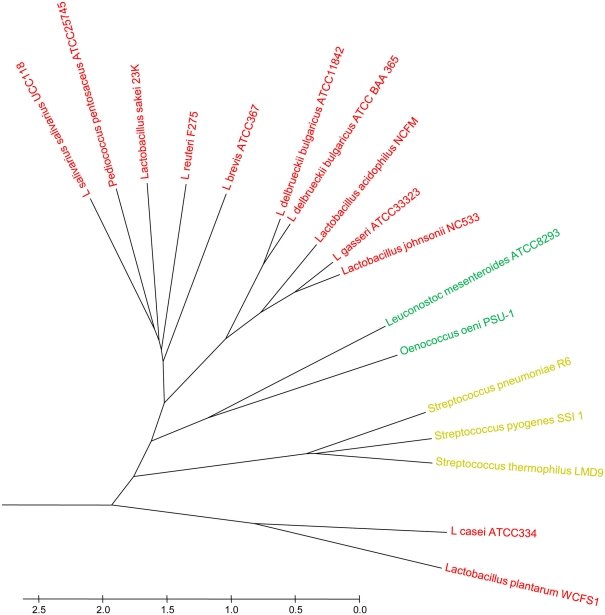
Lifestyle adaptation of microbes due to changes in their ecological niches or acquisition of new environments is a major driving force for genetic changes in their respective genomes. Moving into more specialized niches often results in the acquisition of new gene sets via horizontal gene transfer to utilize previously unavailable metabolites, while genetic ballast is shed by gene loss and/or gene inactivation. In some cases, larger genome rearrangements can be observed, such as the incorporation of whole genetic islands, providing a range of new phenotypic capabilities. Until recently these changes could not be comprehensively followed and identified due to the lack of complete microbial genome sequences. The advent of high-throughput DNA sequencing has dramatically changed the scientific landscape and today microbial genomes have become increasingly abundant. Currently, more than 2,900 genomes are published and more than 11,000 genome projects are listed in the Genomes Online Database. Although this wealth of information provides many new opportunities to assess microbial functionality, it also creates a new array of challenges when a comparison between multiple microbial genomes is required. Here, functional genome distribution (FGD) is introduced, analyzing the diversity between microbes based on their predicted ORFeome. FGD is therefore a comparative genomics approach, emphasizing the assessments of gene complements. To further facilitate the comparison between two or more genomes, degrees of amino-acid similarities between ORFeomes can be visualized in the Artemis comparison tool, graphically depicting small and large scale genome rearrangements, insertion and deletion events, and levels of similarity between individual open reading frames. FGD provides a new tool for comparative microbial genomics and the interpretation of differences in the genetic makeup of bacteria.
微生物因生态位变化或进入新环境而进行的生活方式适应,是其各自基因组发生遗传变化的主要驱动力。进入更特殊的生态位通常会通过水平基因转移获得新的基因集,以利用以前无法获得的代谢物,同时通过基因丢失和/或基因失活去除遗传冗余。在某些情况下,可以观察到更大规模的基因组重排,例如整合整个遗传岛,从而提供一系列新的表型能力。直到最近,由于缺乏完整的微生物基因组序列,这些变化还无法得到全面的追踪和识别。高通量DNA测序的出现极大地改变了科学格局,如今微生物基因组越来越丰富。目前,已发表了2900多个基因组,基因组在线数据库中列出了11000多个基因组项目。尽管这些丰富的信息为评估微生物功能提供了许多新机会,但在需要对多个微生物基因组进行比较时,也带来了一系列新的挑战。这里引入了功能基因组分布(FGD),基于预测的开放阅读框组分析微生物之间的多样性。因此,FGD是一种比较基因组学方法,强调对基因互补性的评估。为了进一步便于比较两个或更多基因组,可以在阿耳特弥斯比较工具中可视化开放阅读框组之间的氨基酸相似程度,以图形方式描绘小规模和大规模的基因组重排、插入和缺失事件以及各个开放阅读框之间的相似水平。FGD为比较微生物基因组学和解释细菌基因组成差异提供了一种新工具。