Department of Cardiothoracic Pharmacology, Pharmacology and Toxicology, National Heart and Lung Institute, Imperial College London, London, United Kingdom.
PLoS One. 2012;7(2):e30120. doi: 10.1371/journal.pone.0030120. Epub 2012 Feb 17.
Cigarette smoking is responsible for 5 million deaths worldwide each year, and is a major risk factor for cardiovascular and lung diseases. Cigarette smoke contains a complex mixture of over 4000 chemicals containing 10(15) free radicals. Studies show smoke is perceived by cells as an inflammatory and xenobiotic stimulus, which activates an immune response. The specific cellular mechanisms driving cigarette smoke-induced inflammation and disease are not fully understood, although the innate immune system is involved in the pathology of smoking related diseases.
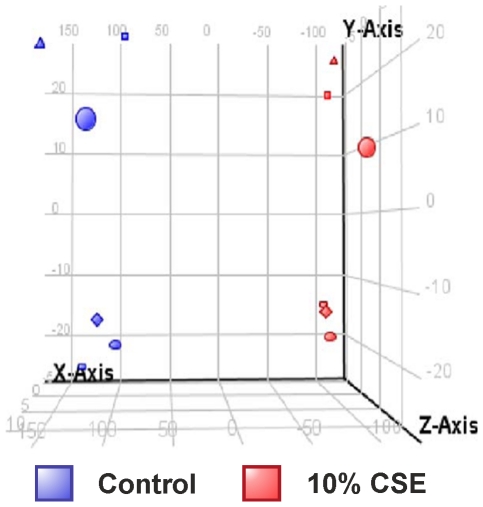
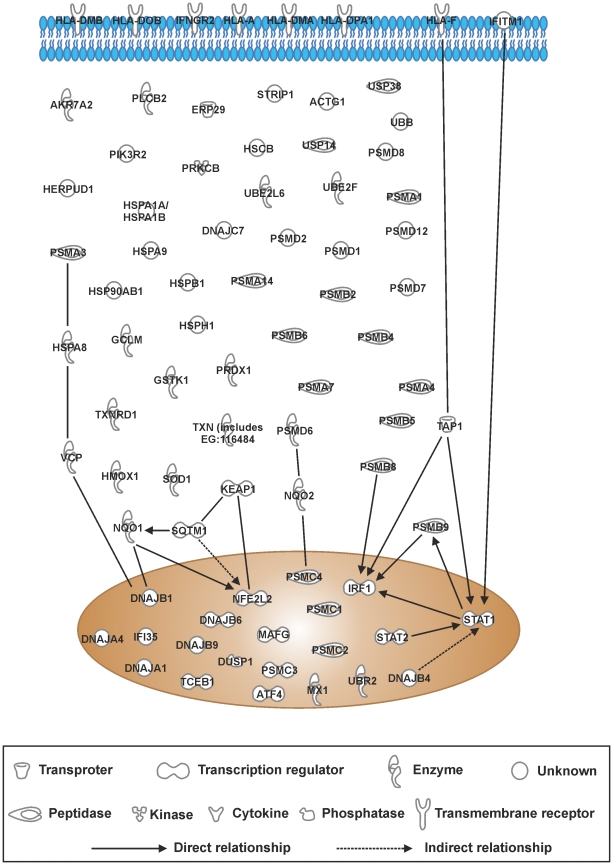
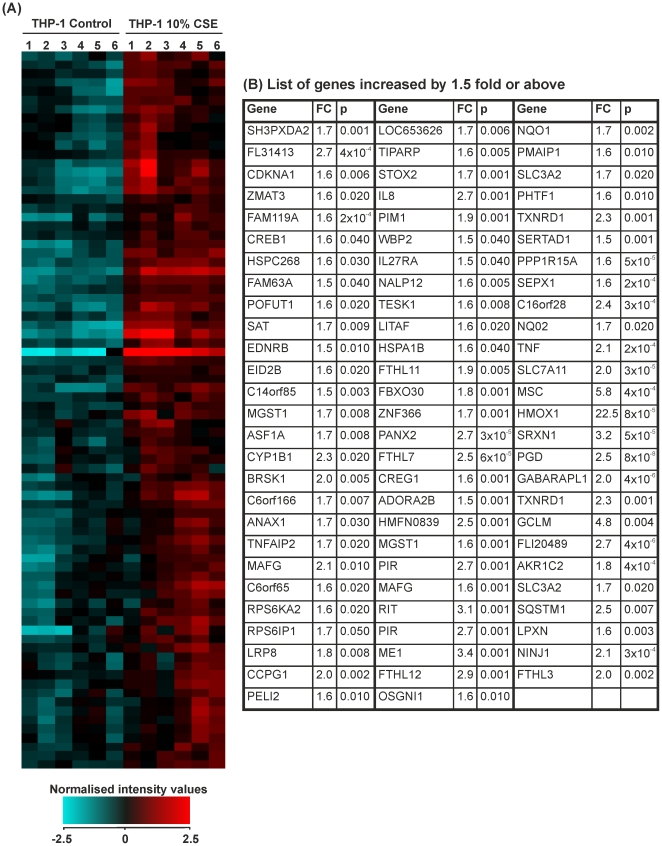
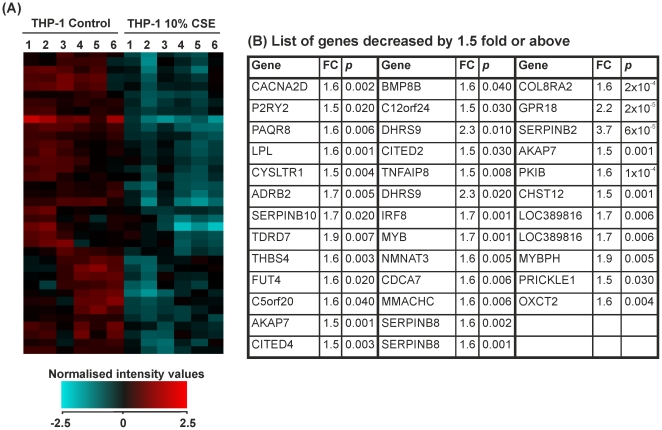
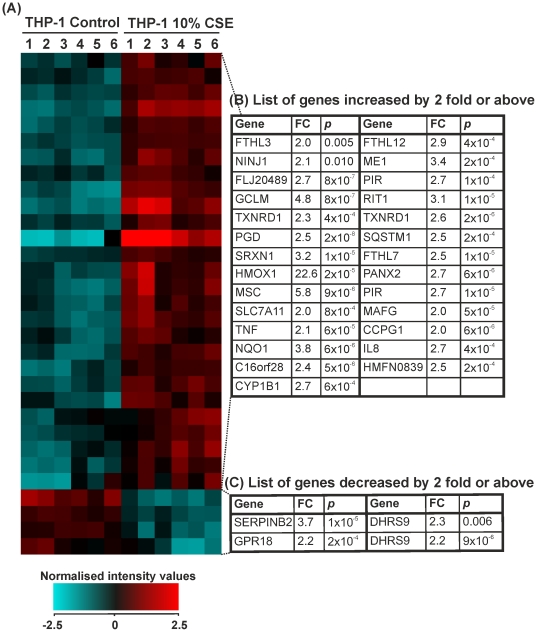
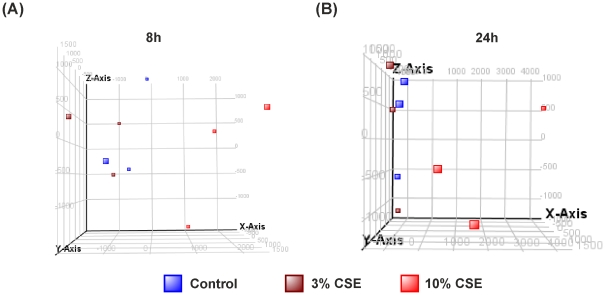
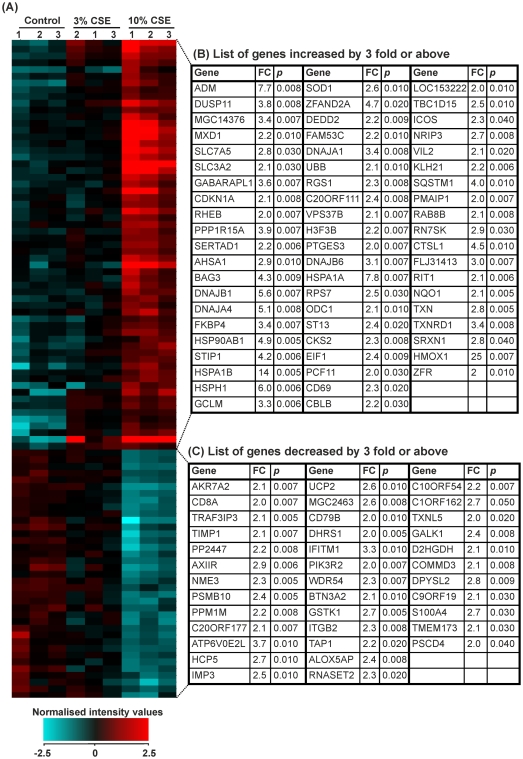
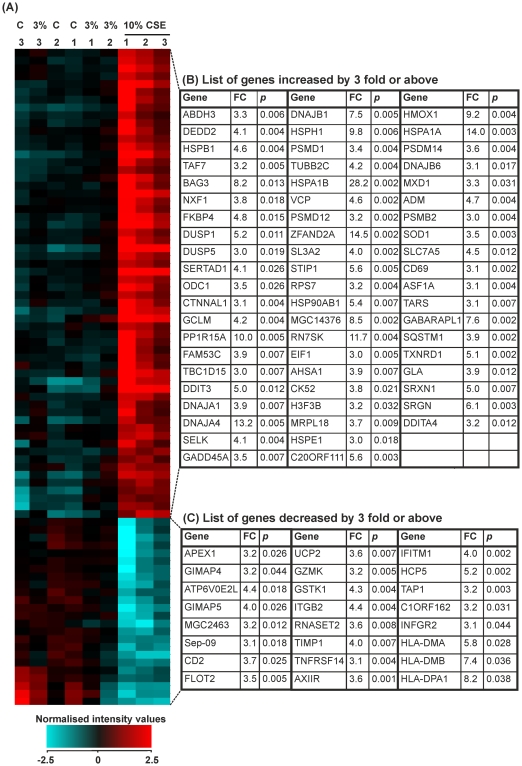
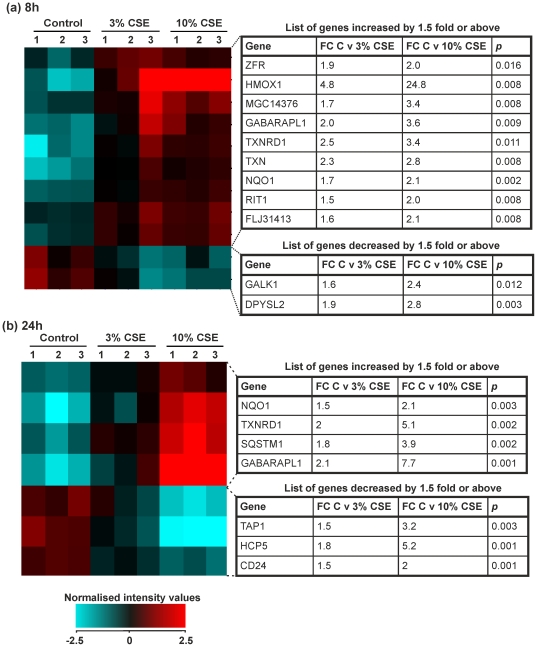
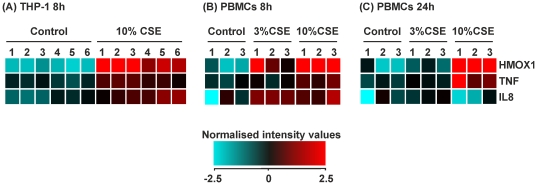
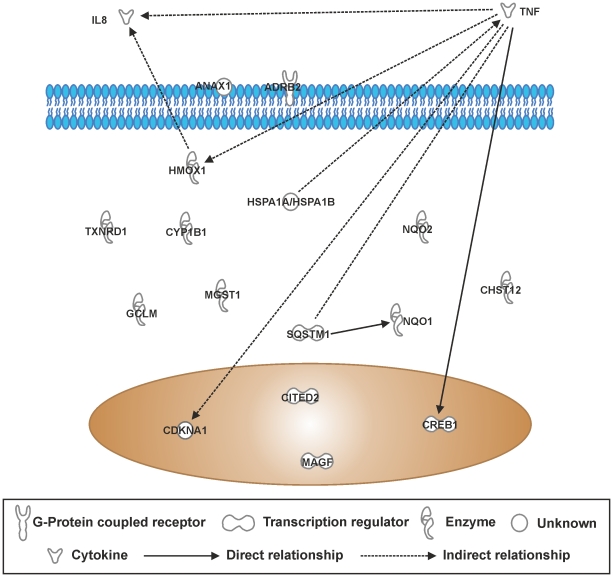
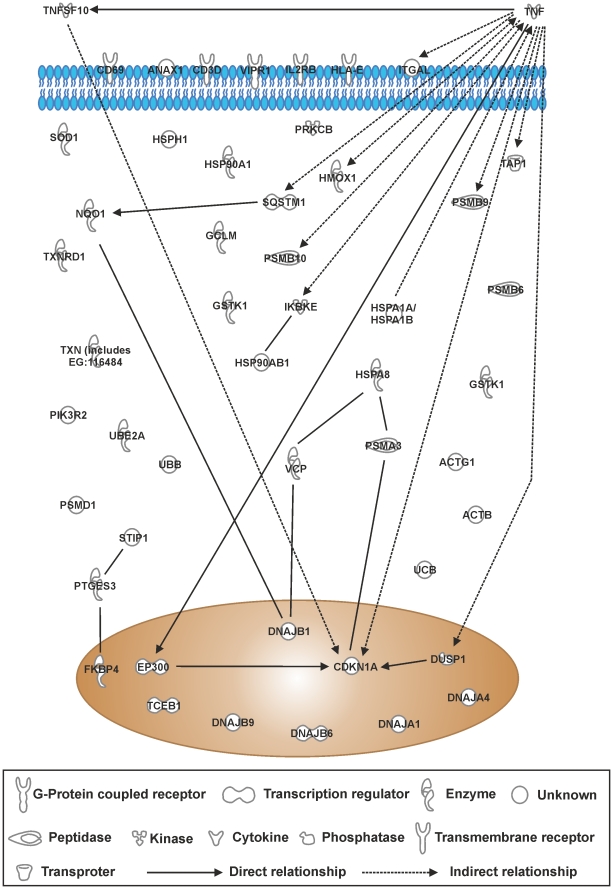
METHODOLOGY/PRINCIPLE FINDINGS: To address the impact of smoke as an inflammagen on the innate immune system, THP-1 cells and Human PBMCs were stimulated with 3 and 10% (v/v) cigarette smoke extract (CSE) for 8 and 24 hours. Total RNA was extracted and the transcriptome analysed using Illumina BeadChip arrays. In THP-1 cells, 10% CSE resulted in 80 genes being upregulated and 37 downregulated by ≥1.5 fold after 8 hours. In PBMCs stimulated with 10% CSE for 8 hours, 199 genes were upregulated and 206 genes downregulated by ≥1.5 fold. After 24 hours, the number of genes activated and repressed by ≥1.5 fold had risen to 311 and 306 respectively. The major pathways that were altered are associated with cell survival, such as inducible antioxidants, protein chaperone and folding proteins, and the ubiquitin/proteosome pathway.
Our results suggest that cigarette smoke causes inflammation and has detrimental effects on the metabolism and function of innate immune cells. In addition, THP-1 cells provide a genetically stable alternative to primary cells for the study of the effects of cigarette smoke on human monocytes.
全球每年有 500 万人因吸烟而死亡,吸烟是心血管疾病和肺部疾病的主要危险因素。香烟烟雾中含有超过 4000 种化学物质,其中包含 10(15)种自由基。研究表明,烟雾被细胞视为一种炎症和异源刺激物,会激活免疫反应。虽然先天免疫系统参与了与吸烟有关的疾病的病理学,但香烟烟雾引起的炎症和疾病的具体细胞机制尚未完全了解。
方法/原理发现:为了研究烟雾作为炎症原对先天免疫系统的影响,用 3%和 10%(v/v)香烟烟雾提取物(CSE)刺激 THP-1 细胞和人外周血单核细胞(PBMCs)8 小时和 24 小时。提取总 RNA,用 Illumina BeadChip 阵列分析转录组。在 THP-1 细胞中,10% CSE 刺激 8 小时后,有 80 个基因上调,37 个基因下调,倍数变化≥1.5。在 10% CSE 刺激 PBMCs 8 小时后,有 199 个基因上调,206 个基因下调,倍数变化≥1.5。24 小时后,激活和抑制倍数变化≥1.5 的基因数分别上升至 311 和 306。改变的主要途径与细胞存活有关,如诱导型抗氧化剂、蛋白质伴侣和折叠蛋白以及泛素/蛋白酶体途径。
我们的结果表明,香烟烟雾会引起炎症,并对先天免疫细胞的代谢和功能产生不利影响。此外,THP-1 细胞为研究香烟烟雾对人类单核细胞的影响提供了一种比原代细胞更稳定的遗传替代物。