Department of Parasitology and Institute of Health Sciences, Gyeongsang National University School of Medicine, Jinju 660-751, Korea.
Malar J. 2012 Mar 1;11:60. doi: 10.1186/1475-2875-11-60.
Plasmodium vivax Duffy binding protein (PvDBP) plays an essential role in erythrocyte invasion and a potential asexual blood stage vaccine candidate antigen against P. vivax. The polymorphic nature of PvDBP, particularly amino terminal cysteine-rich region (PvDBPII), represents a major impediment to the successful design of a protective vaccine against vivax malaria. In this study, the genetic polymorphism and natural selection at PvDBPII among Myanmar P. vivax isolates were analysed.
Fifty-four P. vivax infected blood samples collected from patients in Myanmar were used. The region flanking PvDBPII was amplified by PCR, cloned into Escherichia coli, and sequenced. The polymorphic characters and natural selection of the region were analysed using the DnaSP and MEGA4 programs.
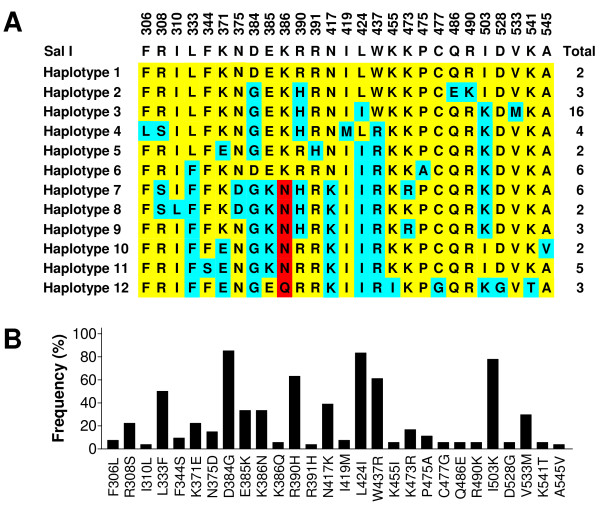
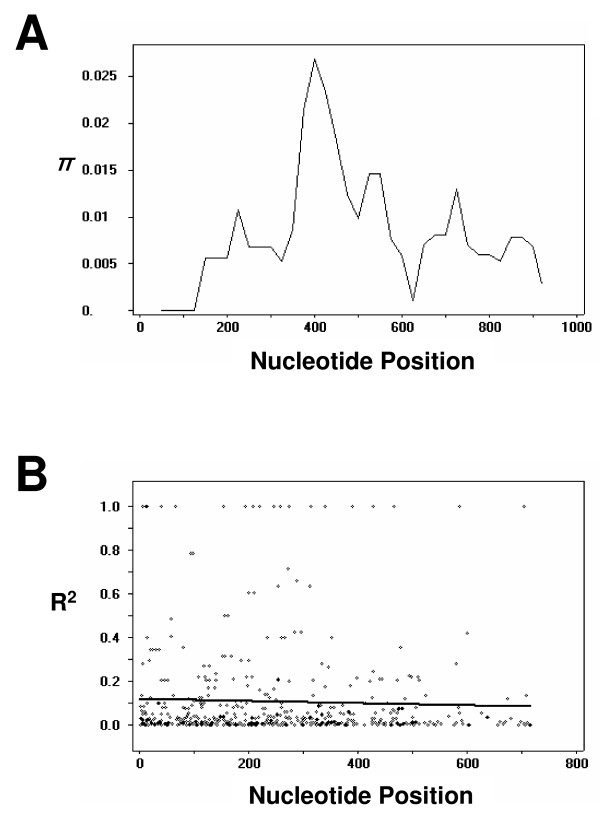
Thirty-two point mutations (28 non-synonymous and four synonymous mutations) were identified in PvDBPII among the Myanmar P. vivax isolates. Sequence analyses revealed that 12 different PvDBPII haplotypes were identified in Myanmar P. vivax isolates and that the region has evolved under positive natural selection. High selective pressure preferentially acted on regions identified as B- and T-cell epitopes of PvDBPII. Recombination may also be played a role in the resulting genetic diversity of PvDBPII.
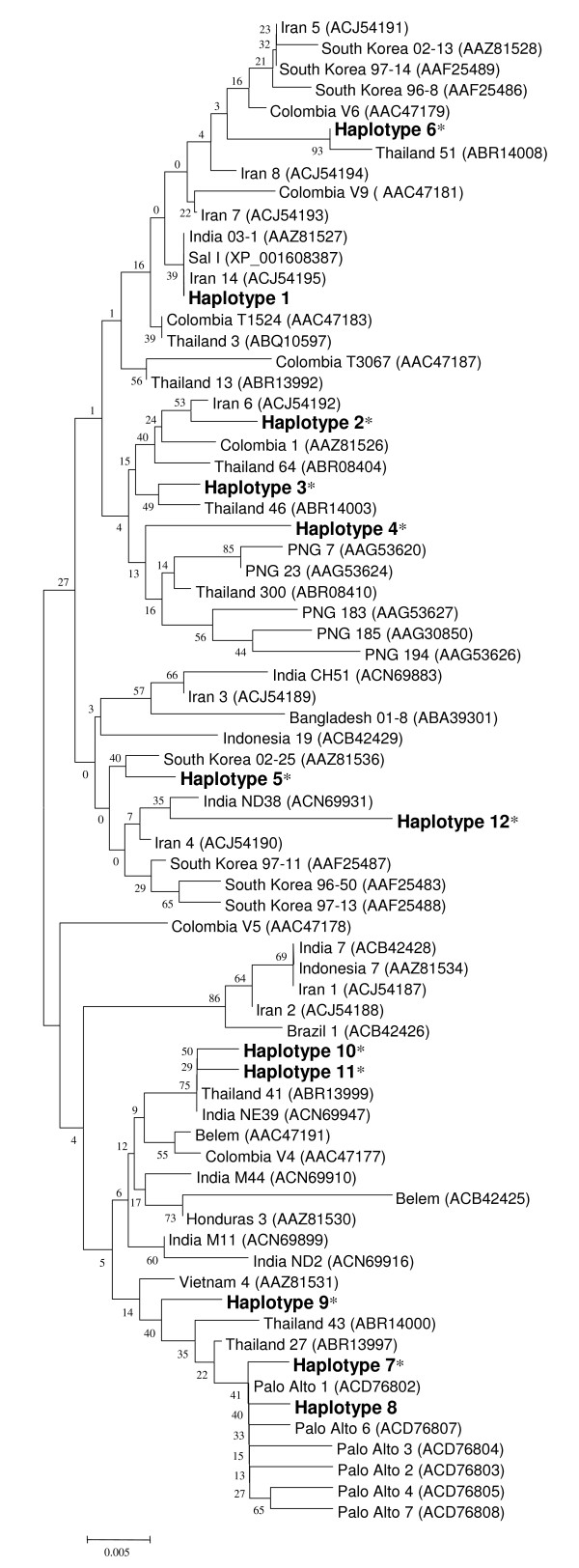
PvDBPII of Myanmar P. vivax isolates displays a high level of genetic polymorphism and is under selective pressure. Myanmar P. vivax isolates share distinct types of PvDBPII alleles that are different from those of other geographical areas. These results will be useful for understanding the nature of the P. vivax population in Myanmar and for development of PvDBPII-based vaccine.
间日疟原虫(Plasmodium vivax)Duffy 结合蛋白(PvDBP)在红细胞入侵中发挥重要作用,是针对间日疟原虫的潜在无性血阶段候选疫苗抗原。PvDBP 的多态性,特别是氨基末端富含半胱氨酸区域(PvDBPII),是成功设计针对间日疟原虫保护性疫苗的主要障碍。本研究分析了缅甸间日疟原虫分离株 PvDBPII 的遗传多态性和自然选择。
使用从缅甸患者中采集的 54 份间日疟原虫感染血样。通过 PCR 扩增 PvDBPII 侧翼区,克隆到大肠杆菌中并测序。使用 DnaSP 和 MEGA4 程序分析该区域的多态性特征和自然选择。
在缅甸间日疟原虫分离株中发现 PvDBPII 中有 32 个点突变(28 个非同义突变和 4 个同义突变)。序列分析表明,在缅甸间日疟原虫分离株中鉴定出 12 种不同的 PvDBPII 单倍型,该区域受到正自然选择的影响。高选择压力优先作用于被鉴定为 PvDBPII 的 B 细胞和 T 细胞表位的区域。重组也可能在 PvDBPII 的遗传多样性产生中发挥作用。
缅甸间日疟原虫分离株的 PvDBPII 显示出高度的遗传多态性,并受到选择压力的影响。缅甸间日疟原虫分离株共享与其他地理区域不同的独特类型的 PvDBPII 等位基因。这些结果将有助于了解缅甸间日疟原虫种群的性质,并为基于 PvDBPII 的疫苗开发提供参考。